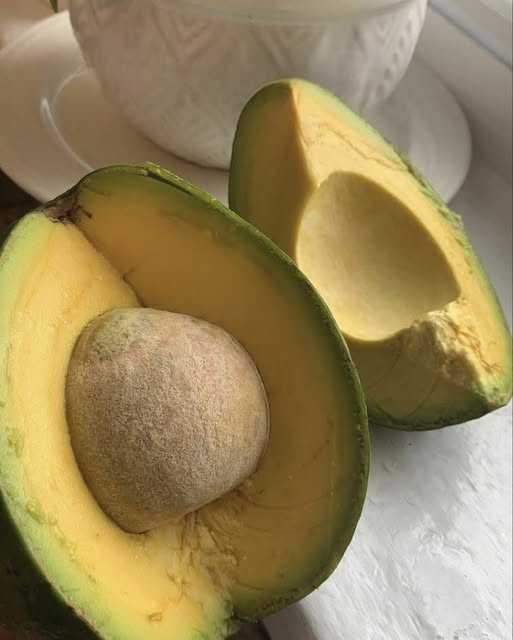
Avocados frequently appear in dramatic online headlines suggesting that doctors have discovered a hidden danger associated with eating them.
The reality is less alarming.
For most people, avocados can be a nutritious part of a balanced diet. They provide fiber, unsaturated fat, potassium, folate, vitamin K and several other nutrients. However, they are relatively high in calories, and certain people may need to consider allergies, digestive sensitivity, kidney function or medication use.
Eating avocado does not produce the same effect in everyone. The portion, overall eating pattern and individual medical circumstances all matter.
What Is in an Avocado?
Unlike most fruits, which obtain the majority of their calories from carbohydrates, avocados contain a significant amount of fat. Most of this is unsaturated fat, including monounsaturated fat.
According to nutrition information cited by the National Kidney Foundation, approximately one-third of an avocado provides:
| Nutrient | Approximate amount |
|---|---|
| Calories | 84 |
| Total fat | 8 grams |
| Carbohydrates | 4 grams |
| Fiber | 3 grams |
| Protein | 1 gram |
| Potassium | 250 milligrams |
| Sodium | 4 milligrams |
The exact values vary according to the avocado’s variety and size. The National Kidney Foundation bases these estimates on USDA FoodData Central information.
Avocados also contain folate and vitamins E, K and C, although they should not be treated as a substitute for dietary variety.
1. Avocados May Support a Heart-Healthy Eating Pattern
Avocados are rich in monounsaturated fat. When foods containing unsaturated fats replace foods high in saturated fat, the change may support healthier cholesterol levels.
The word replace is important.
Adding avocado to a meal already high in calories and saturated fat may not produce the same benefit as using it instead of butter, processed meat, or a creamy sauce.
Controlled research has produced promising but not miraculous results. One clinical trial involving adults with overweight or obesity found that including one avocado per day within a moderate-fat, cholesterol-lowering diet reduced oxidized LDL. Another trial found favorable changes in certain cholesterol measurements when avocado was incorporated into a structured diet. Journal of Nutrition study, American Heart Association journal study
These findings do not mean that avocado prevents heart attacks or treats cardiovascular disease. It is one food that can contribute to an overall eating pattern rich in vegetables, fruits, legumes, whole grains, nuts and appropriate protein sources.
2. The Fiber May Help You Feel Satisfied
Fiber slows digestion and can help meals feel more satisfying. Because avocado provides both fiber and fat, adding a moderate portion to a salad, sandwich or breakfast may help some people remain full for longer.
A small randomized crossover study found that adding approximately half an avocado to lunch increased reported satisfaction and reduced the desire to eat during the following hours. The researchers noted an important limitation: the avocado also added approximately 112 calories to the meal, which may have contributed to the increased fullness. Published study
Avocado should therefore be included as part of the meal rather than automatically added on top of everything else.
For example, avocado might replace:
- Mayonnaise on a sandwich
- A large amount of cheese in a salad
- Butter on toast
- A heavy cream-based dressing
- Some processed meat in a breakfast meal
This approach preserves flavor while keeping the meal’s total energy more manageable.
3. Eating Avocados Does Not Automatically Cause Weight Gain
Avocados contain more calories than many other fruits because fat provides more energy per gram than carbohydrates or protein.
That does not mean avocados automatically cause weight gain.
Body weight is influenced by total energy intake, physical activity, sleep, medical conditions, medication use and many other factors. A moderate portion of avocado can fit within a weight-management plan.
In a large six-month randomized study, participants instructed to eat one avocado daily did not experience a significant reduction in visceral abdominal fat compared with those following their usual diets. Importantly, regular avocado consumption also did not produce substantial weight gain despite adding an energy-dense food. A small improvement in LDL cholesterol was observed. Journal of the American Heart Association trial
The practical lesson is that avocado is neither a weight-loss treatment nor a food that inevitably causes obesity.
Portion size and the rest of the diet remain more important than any single ingredient.
4. Avocado Can Increase Potassium Intake
Potassium supports normal nerve, muscle and heart function. Many people do not need to worry about obtaining potassium from whole foods.
However, individuals with certain kidney conditions may not remove excess potassium efficiently. High potassium levels in the blood can become medically serious.
The National Kidney Foundation classifies avocado as a higher-potassium food but explains that advice depends on kidney function, blood test results and dialysis type. Some people with kidney disease can safely consume avocado in controlled portions, while others may need to limit it. National Kidney Foundation guidance
Having kidney disease does not automatically mean that avocado must be eliminated. Anyone with chronic kidney disease, a history of high blood potassium or a prescribed potassium restriction should follow individualized advice from a doctor or kidney dietitian.
5. Some People May Experience Digestive Discomfort
Avocado contains fiber, which can support regular bowel function. However, increasing fiber intake too quickly can produce gas, bloating or changes in bowel habits in some individuals.
Avocado also contains a type of fermentable carbohydrate relevant to people with irritable bowel syndrome or sensitivity to FODMAPs.
Monash University reports that avocado contains the polyol sorbitol and that tolerance depends partly on serving size. Its testing lists approximately 30 grams as a lower-FODMAP portion, while larger servings contain increasing amounts of relevant carbohydrates. Monash University FODMAP guidance
This does not make avocado harmful to everyone with digestive difficulties. It means that a large serving of avocado or guacamole may trigger symptoms in some sensitive people.
Possible symptoms include:
- Bloating
- Abdominal discomfort
- Excess gas
- Loose stools
- A feeling of fullness
People managing irritable bowel syndrome should avoid unnecessarily restrictive diets without professional guidance. A registered dietitian can help identify personal tolerance.
6. Avocado Allergy Is Possible
Avocado allergy is uncommon, but it can occur.
Some people experience itching or swelling around the lips, mouth, tongue or throat after eating raw avocado. Others may develop hives, digestive symptoms or, rarely, a more serious reaction.
Individuals with a latex allergy may have a greater chance of reacting to avocado because latex and certain fruits contain similar proteins. Bananas, kiwi and chestnuts are also associated with this pattern, known as latex-fruit cross-reactivity. American Academy of Allergy, Asthma & Immunology
Seek urgent medical assistance if eating avocado causes:
- Difficulty breathing
- Throat tightness
- Significant facial or tongue swelling
- Dizziness or fainting
- Widespread hives
- Signs of a severe allergic reaction
A person with a suspected allergy should consult a qualified allergist instead of attempting to test the food repeatedly at home.
7. People Taking Warfarin Should Keep Their Diet Consistent
Avocado contains vitamin K, a nutrient involved in normal blood clotting.
People taking warfarin are generally not required to avoid every food containing vitamin K. The more important issue is consistency. Large and sudden changes in vitamin K intake can affect INR results and the warfarin dose required.
Cambridge University Hospitals advises patients taking warfarin to consume vitamin K-containing foods in reasonably consistent amounts. Warfarin dietary guidance
Someone who rarely eats avocado should not suddenly begin eating large portions daily without discussing the change with the healthcare professional managing their anticoagulant treatment.
Do not stop eating nutritious foods or adjust medication independently. Medication decisions should be made with a doctor, pharmacist or anticoagulation clinic.
8. Avocado Does Not “Balance Hormones” by Itself
Online posts sometimes claim that avocado can directly balance hormones, cure reproductive conditions or dramatically increase fertility.
Those statements are too broad.
Dietary fat is involved in many normal biological functions, but no individual food can independently correct every hormonal problem. Hormone levels are influenced by age, genetics, sleep, stress, body composition, medical conditions and medication.
Avocado can contribute nutrients to a balanced diet, but it should not replace medical assessment for symptoms such as:
- Irregular menstrual cycles
- Unexplained weight changes
- Persistent fatigue
- Fertility problems
- Hair loss
- Significant mood changes
- Symptoms of thyroid disease
9. Avocados Are Nutritious, but They Are Not a “Superfood Cure”
The term “superfood” is primarily a marketing expression rather than a medical classification.
Avocados contain useful nutrients, but they do not detoxify the body, erase abdominal fat, reverse heart disease or guarantee perfect skin.
Health outcomes are shaped by the overall diet and lifestyle over time. Eating avocado alongside vegetables, beans, whole grains and other minimally processed foods is different from eating it in a meal dominated by refined carbohydrates, excessive sodium or large amounts of saturated fat.
Preparation matters too. A moderate serving of avocado in a vegetable-rich meal is not nutritionally identical to a large restaurant dish containing fried chips, processed meat, cheese and heavy sauces.
What Is a Reasonable Portion?
There is no universal portion that fits every person.
Approximately one-third to one-half of a medium avocado may be a practical serving for many adults. Someone with higher energy needs may comfortably eat more, while a person following a calorie-controlled, low-potassium or low-FODMAP diet may need a smaller amount.
Consider:
- Your total calorie needs
- Other sources of fat in the meal
- Kidney function and potassium guidance
- Digestive tolerance
- Medications
- Personal health goals
Hunger and fullness also matter. Nutrition does not require every portion to be identical each day.
Healthier Ways to Eat Avocado
Avocado is versatile and can replace less nutritious ingredients in many dishes.
Try using it:
- Mashed on whole-grain toast with tomato
- Sliced into a bean and vegetable salad
- Added to eggs with vegetables
- Blended into a dressing with lime and herbs
- Served in tacos with beans and cabbage
- Combined with chickpeas for a sandwich filling
- Added to a grain bowl
- Prepared as guacamole with vegetables for dipping
Pay attention to ingredients served alongside it. Chips, large quantities of cheese, processed meat and salty sauces can quickly change the nutritional profile of the meal.
Frequently Asked Questions
Is it safe to eat avocado every day?
For many healthy adults, a moderate daily serving can fit into a balanced diet. Individual needs may differ for people with allergies, digestive sensitivities, kidney disease or certain medication regimens.
Does avocado lower cholesterol?
Some trials suggest modest improvements in LDL-related measurements when avocado is included in a structured heart-healthy diet. It should not be treated as a substitute for prescribed treatment or broader dietary changes.
Can avocado make you gain weight?
Any food can contribute to weight gain if total calorie intake consistently exceeds the body’s needs. Avocado is energy-dense, but research does not show that including it in a balanced diet automatically causes weight gain.
Is avocado safe during pregnancy?
Avocado is generally a nutritious food during pregnancy unless the individual has an allergy or has received specific dietary restrictions. Pregnant individuals should follow guidance from their healthcare professional.
Can people with diabetes eat avocado?
Avocado is relatively low in digestible carbohydrate and provides fiber and unsaturated fat. However, meal planning, portion size and individual glucose response still matter.
The Bottom Line
For most people, eating avocado is more likely to contribute fiber, unsaturated fat and useful micronutrients than to cause a hidden medical problem.
Avocados may support a heart-healthy eating pattern and help meals feel satisfying. They do not automatically cause weight gain, cure disease or balance hormones.
Some people should exercise additional care—particularly those with avocado or latex-related allergies, irritable bowel syndrome, kidney-related potassium restrictions, or warfarin treatment.
The most accurate conclusion is simple: avocado can be a nutritious food, but its effects depend on the amount eaten and the individual consuming it.