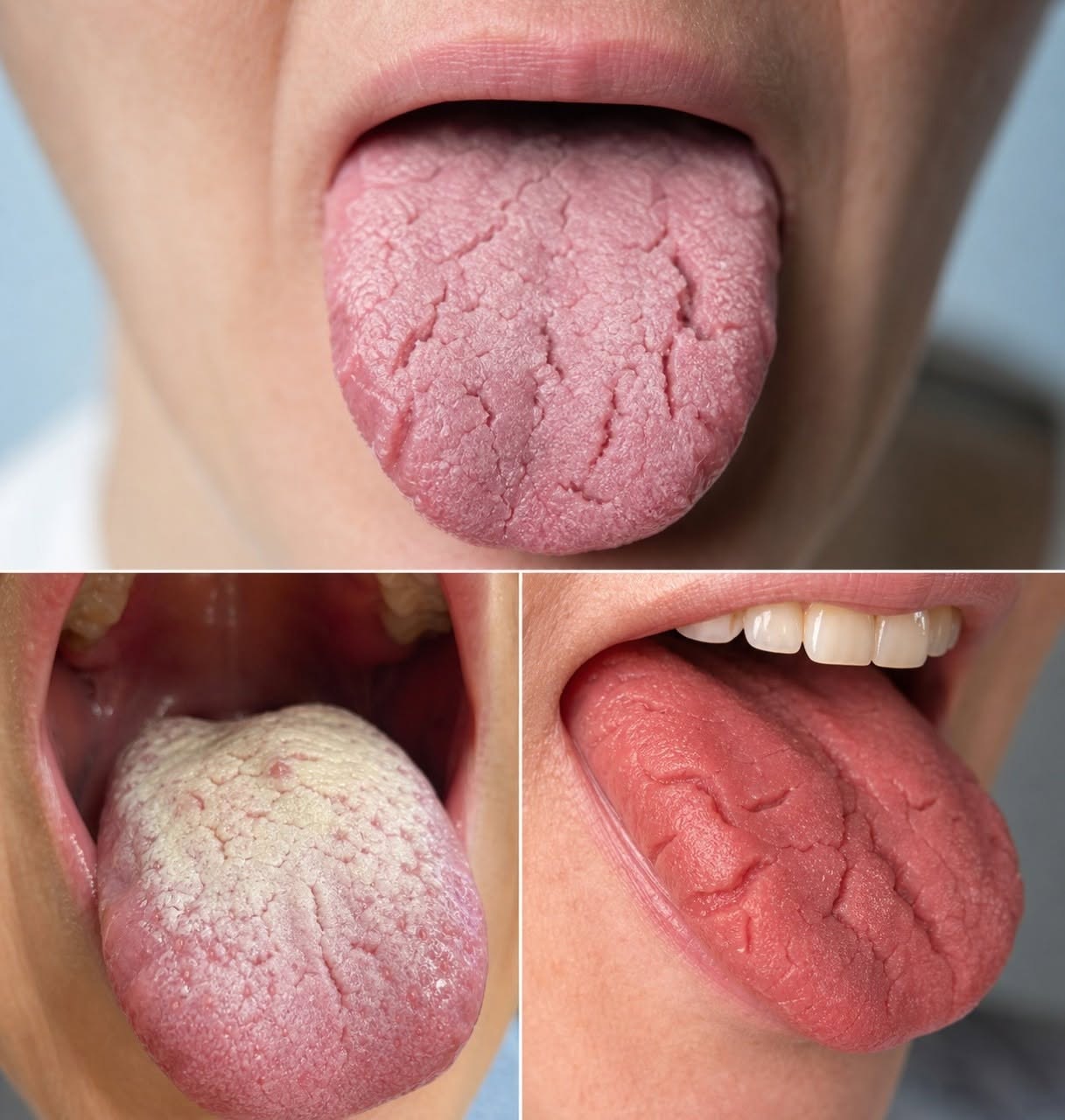
A change in the appearance of the tongue can sometimes reveal useful information about a person’s oral health. One common change is the development of a white coating across the surface of the tongue. Although this condition is often harmless and temporary, it can occasionally indicate dehydration, irritation, an infection, or another health concern that deserves attention.
White tongue can occur at any age, but older adults may be more likely to experience it because of changes in saliva production, medication use, dental health, and general hydration. Understanding why it happens and how to care for the mouth can help people recognize when simple daily habits are enough and when professional advice may be necessary.
What Does a White Tongue Look Like?
A healthy tongue is generally pink, with a slightly textured surface covered in tiny structures called papillae. These small structures help with taste and provide the tongue with its natural texture.
Sometimes, debris, bacteria, dead cells, and food particles collect between the papillae. When this material builds up, the tongue may develop a white or pale coating.
The appearance can vary. Some people notice a thin layer across the middle of the tongue, while others see thicker patches that cover a larger area. The coating may be more noticeable after waking up, particularly when the mouth becomes dry during the night.
A white tongue does not automatically mean that someone has an illness. However, if the change persists, becomes painful, or appears alongside other symptoms, it is worth discussing with a healthcare professional or dentist.
Dehydration: A Common Contributor
Dehydration is one possible reason for a white coating on the tongue. It occurs when the body loses more fluid than it takes in, leaving it without enough water to carry out normal functions.
Older adults may be particularly vulnerable because the sensation of thirst can become less noticeable with age. Some medications and health conditions can also increase fluid loss or make it harder to maintain adequate hydration.
When the body is dehydrated, saliva production may decrease. Saliva is important because it helps wash away food particles, supports comfortable swallowing, and protects the mouth from excessive bacterial growth.
With less saliva available, the mouth can become dry and debris may collect more easily on the tongue. This can make a white coating more noticeable.
Common signs of dehydration may include:
- A dry or sticky feeling in the mouth
- Increased thirst
- Darker urine than usual
- Urinating less frequently
- Tiredness or weakness
- Dizziness or lightheadedness
These symptoms can have several possible causes, so they should not be used alone to diagnose dehydration. Older adults who experience confusion, fainting, severe weakness, or an inability to keep fluids down should receive prompt medical attention.
Drinking water regularly throughout the day can help maintain hydration. People who have been advised to limit their fluid intake because of heart, kidney, or other medical conditions should follow their healthcare professional’s recommendations rather than increasing fluids without guidance.
Why Oral Health Becomes More Important With Age
Maintaining good oral hygiene is important throughout life, but it can become more challenging as people grow older.
Changes in saliva production, gum health, dental condition, and general mobility may affect how easily someone can clean their mouth. Some older adults also take medications that cause dry mouth as a side effect.
A dry mouth can make eating, speaking, and swallowing uncomfortable. It may also increase the likelihood of tooth decay, gum irritation, and oral infections.
The mouth plays an important role in the early stages of digestion. Teeth help break food into smaller pieces, while saliva moistens food and makes swallowing easier. When oral health is neglected, eating can become less comfortable and a person’s food choices may become limited.
For this reason, dental care is not simply about keeping teeth attractive. It also supports nutrition, comfort, communication, and general well-being.
The Role of Daily Oral Hygiene
A consistent oral care routine can help reduce the accumulation of bacteria and food debris that may contribute to a coated tongue.
Brushing twice a day with fluoride toothpaste is a useful starting point. It helps remove plaque from the teeth and supports protection against cavities.
Cleaning between the teeth is equally important because a toothbrush cannot reach every surface. Dental floss or appropriately sized interdental brushes can help remove food particles and plaque from these areas.
The tongue should also receive gentle attention. A soft toothbrush or tongue scraper can be used to clean its surface without causing irritation. Excessive pressure should be avoided because aggressive scraping may lead to soreness or damage.
Rinsing the mouth with water after meals can help remove leftover food particles. Regular dental appointments also allow a professional to check for problems that may not be obvious at home.
People who wear dentures should clean them according to their dentist’s instructions. Dentures should not be ignored during oral hygiene routines because bacteria and food debris can accumulate on their surfaces.
Other Possible Causes of a White Tongue
Although dehydration is one possible explanation, several other conditions can change the appearance of the tongue.
1. Poor oral hygiene
When the tongue is not cleaned regularly, dead cells, bacteria, and food particles can accumulate between its papillae. This may create a white coating. Improving daily oral hygiene can often help.
2. Dry mouth
Dry mouth, also known as xerostomia, occurs when the mouth does not produce enough saliva to remain comfortably moist. It can be associated with aging, medication use, certain medical conditions, and some treatments.
People experiencing persistent dryness should speak with a healthcare professional or dentist to identify possible causes and discuss suitable treatments.
3. Oral thrush
Oral thrush is a fungal infection caused by an overgrowth of Candida yeast. It can produce white patches on the tongue and other parts of the mouth.
Unlike an ordinary coating, these patches may be associated with soreness, redness, an unpleasant taste, or discomfort when eating. Oral thrush is more likely in certain circumstances, including weakened immunity, denture use, and some medication treatments.
A healthcare professional can assess the symptoms and recommend appropriate antifungal treatment when necessary.
4. Smoking and tobacco use
Smoking and other tobacco products can irritate the tissues inside the mouth and contribute to changes in the tongue’s appearance. Tobacco use is also associated with a greater risk of oral health problems, including oral cancer.
Quitting tobacco can benefit oral and general health. Anyone with a persistent white patch should arrange an examination rather than assuming it is caused by smoking.
5. Medication side effects
Certain medicines can reduce saliva production and contribute to dry mouth. These may include some medications used for allergies, depression, high blood pressure, and other conditions.
Older adults who take several medications may be especially likely to experience this side effect. A pharmacist or doctor can review medications and discuss possible alternatives or ways to manage dryness. Prescribed medicines should not be stopped without professional advice.
Practical Ways to Support a Healthy Mouth
A few simple habits can make a meaningful difference in maintaining oral comfort and hygiene.
- Drink fluids regularly: Maintain adequate hydration according to individual medical advice.
- Brush consistently: Clean the teeth twice daily with fluoride toothpaste.
- Clean the tongue gently: Use a soft toothbrush or tongue scraper without applying excessive pressure.
- Clean between teeth: Use floss or interdental brushes to remove debris.
- Avoid tobacco: Smoking can irritate oral tissues and increase the risk of serious conditions.
- Limit excessive alcohol: Alcohol can contribute to mouth dryness and may irritate oral tissues.
- Attend dental checkups: Regular examinations help identify problems early.
- Pay attention to dentures: Keep dental appliances clean and have them checked if they become uncomfortable.
Sugar-free gum may help stimulate saliva in some people, provided they can chew safely and have no reason to avoid it. A dentist can also recommend suitable products for persistent dry mouth.
When Should You Seek Professional Advice?
A white tongue that appears briefly and improves with gentle cleaning and better hydration may not require special treatment. However, persistent or unusual changes should not be ignored.
It is advisable to arrange a dental or medical examination if a white coating does not improve, repeatedly returns, or is accompanied by pain, bleeding, swelling, difficulty swallowing, or an unpleasant taste.
White patches that cannot be gently removed deserve particular attention. Some conditions, including oral lichen planus and leukoplakia, can cause persistent white areas in the mouth. These conditions require professional assessment, and some patches may need further investigation to rule out more serious problems.
Seek prompt medical advice if oral changes make it difficult to eat or drink, or if symptoms are getting worse. A healthcare professional can examine the mouth, review medications, assess hydration, and determine whether additional testing or treatment is needed.
Supporting Oral Health and Overall Well-Being
The condition of the mouth can influence many everyday activities, including eating, speaking, and enjoying meals. For older adults, maintaining oral health can help preserve comfort, support adequate nutrition, and reduce the risk of preventable dental problems.
A white tongue is not necessarily a sign of a serious condition. In many cases, it may be associated with temporary dryness or a buildup of debris. Nevertheless, it is important to pay attention to changes that persist or occur alongside other symptoms.
Regular hydration, gentle tongue cleaning, proper brushing, and routine dental care provide a practical foundation for a healthy mouth. When a problem does not improve, professional advice is the safest way to understand its cause and choose the right treatment.
Taking care of oral health is an important part of looking after the whole body, regardless of age.