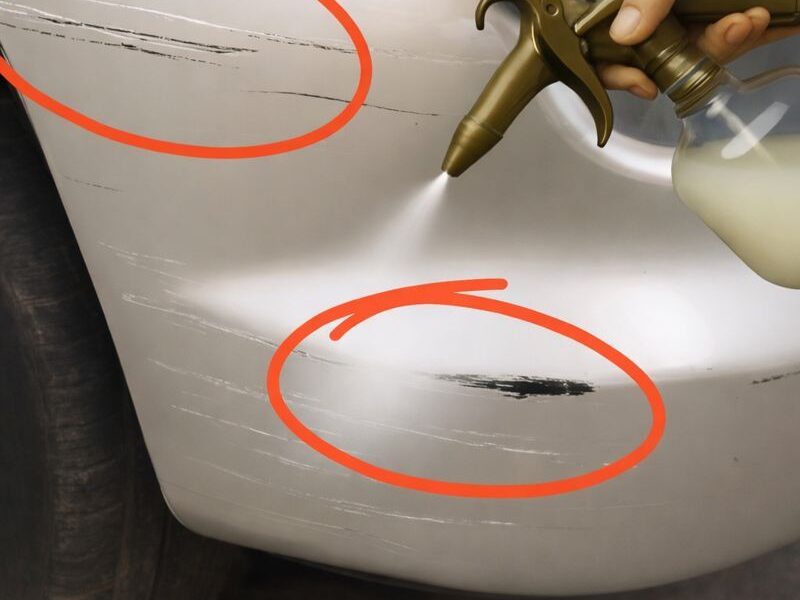
Keeping a car looking clean and well-maintained is something most vehicle owners appreciate. Unfortunately, scratches and small paint marks are almost impossible to avoid. A careless parking maneuver, a shopping cart, a tree branch, or even an automatic car wash can leave unwanted marks on your vehicle’s exterior.
Although a small scratch might seem insignificant, it can make an otherwise beautiful car look older and less attractive. Many drivers immediately assume that visiting an automotive body shop is the only solution. However, certain minor paint imperfections can be improved at home with the right products and a little patience.
The important thing is to understand the type of damage before attempting any repair. Some scratches affect only the clear protective coating, while others penetrate the paint and expose the primer or metal underneath.
In this guide, you will learn how to identify different types of car scratches, which materials you may need, and how to improve the appearance of minor damage without unnecessarily spending money on professional services.
Understanding the Different Types of Car Scratches
Before purchasing any repair products, take a moment to examine the damaged area. Not every scratch requires the same treatment.
Car paint generally consists of several layers, including primer, color paint, and a transparent protective clear coat.
Here are three common types of scratches:
1. Clear coat scratches
These are usually the easiest imperfections to address. They affect only the transparent upper layer of the paint and may appear as light marks or fine lines.
Some can be reduced using automotive scratch-removal polish or rubbing compound.
2. Paint scratches
Deeper scratches may pass through the clear coat and reach the colored paint underneath. These marks are often more noticeable because they reveal a different shade.
Depending on their depth, they may require automotive touch-up paint.
3. Deep scratches
If you can see primer, bare metal, or plastic beneath the paint, the damage is more serious.
These scratches may require several repair stages, including surface preparation, primer, color matching, and protective clear coating. Professional assistance is often the best option for achieving a durable finish.
Materials You May Need
For small scratches that can reasonably be repaired at home, preparing the correct supplies makes the process easier.
Depending on the type of damage, you may need:
- Clean water in a spray bottle.
- Automotive car-wash soap.
- Soft microfiber cloths.
- Automotive scratch-removal polish.
- A suitable polishing applicator.
- Fine automotive sandpaper, only when specifically required by the repair product.
- Automotive touch-up paint matching your vehicle’s color.
- Primer for deeper paint damage, if recommended.
- Clear coat compatible with the paint system.
- Masking tape for protecting nearby areas.
- Protective gloves and appropriate eye protection.
You should not automatically use every item on this list. For example, polishing a light surface scratch is very different from repairing damage that has reached the metal.
Step-by-Step Guide to Improving Minor Car Scratches
Step 1: Wash and Clean the Damaged Area
Start by thoroughly cleaning the scratched section.
Dirt, dust, sand, and other small particles can cause additional marks if they become trapped beneath a polishing pad or cloth.
Wash the area using automotive shampoo and clean water. Avoid household cleaning products because some may damage automotive finishes.
After washing, rinse the surface carefully and dry it with a clean microfiber towel.
Examine the scratch under good lighting once the surface is completely dry.
This first step is important because some marks that appear to be scratches are actually paint transfer or surface contamination. These may be removable without applying any paint.
Step 2: Determine Whether Polishing Is Enough
A useful initial check is to inspect whether the mark appears superficial or whether another layer of the vehicle’s finish is exposed.
If the scratch is very light and there is no visible loss of colored paint, a dedicated automotive scratch-removal product may be sufficient.
Follow the manufacturer’s directions and test the product on a small, inconspicuous area first.
Apply a small amount using an appropriate microfiber applicator and gentle movements.
Avoid aggressive pressure. Excessive polishing can remove too much clear coat and create a larger problem than the original scratch.
If the