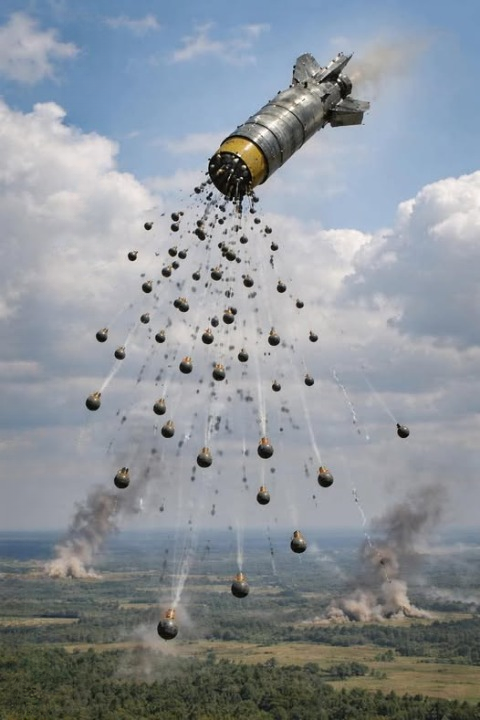
In recent days, news has circulated regarding the launch of a hypersonic missile in the Middle East. Military sources have confirmed that the Iranian Islamic Revolutionary Guard Corps (IRGC) deployed a Kheibar-Shekan hypersonic missile as part of ongoing operations targeting strategic areas. While the situation naturally raises concerns due to the speed and sophistication of these weapons, understanding the technology, implications, and global context can help clarify the facts.
What Are Hypersonic Missiles?
Hypersonic missiles are a class of weaponry capable of traveling at speeds greater than Mach 5, which is five times the speed of sound—approximately 3,800 miles per hour (6,125 km/h). Unlike traditional ballistic missiles, hypersonic missiles are designed to maneuver mid-flight, making interception by conventional defense systems extremely challenging.
Key Characteristics:
- Speed: Hypersonic missiles can reach Mach 5 or higher, reducing reaction time for defense systems.
- Maneuverability: They can adjust their trajectory mid-flight, evading detection and interception.
- Precision: Modern hypersonic systems are designed for high accuracy, often targeting strategic military or infrastructure sites.
- Range: Depending on the missile type, ranges can vary from hundreds to thousands of kilometers.
These characteristics make hypersonic missiles a significant factor in modern military strategy, emphasizing both deterrence and technological supremacy.
Recent Developments in the Region
The deployment of the Kheibar-Shekan missile follows reports of other hypersonic missile activity in the Middle East, including Fattah-series hypersonic launches. Military officials describe these actions as part of ongoing operations targeting specific strategic areas.
It is important to note that official sources have not confirmed casualties or specific target locations, and public information is limited to statements from military authorities. The lack of verified civilian impact information means that speculation about immediate dangers or catastrophic outcomes should be approached with caution.
Why Hypersonic Missiles Are a Game-Changer
Hypersonic technology has attracted global attention due to its unique combination of speed, maneuverability, and range. Unlike traditional missiles, which follow predictable ballistic trajectories, hypersonic missiles can:
- Evade missile defense systems: By adjusting their path mid-flight, they avoid interception by radar-guided systems.
- Reach targets faster: The extreme speed reduces warning times for defense networks, creating strategic advantages.
- Carry various payloads: Hypersonic missiles can be configured to deliver conventional explosives or other strategic payloads.
The technological leap represented by hypersonic missiles explains why global security organizations and international leaders closely monitor such developments.
Regional and Global Implications
While hypersonic missile tests are often framed in military or strategic terms, they carry broader implications for regional stability and global security:
- Escalation Risk: Advanced missile capabilities increase the stakes of regional conflicts, as any miscalculation or misinterpretation of intent could escalate tensions rapidly.
- Defense Challenges: Nations without hypersonic defense systems face increased vulnerability, prompting investment in radar, interceptor systems, and early-warning networks.
- International Diplomacy: The introduction of hypersonic weaponry affects geopolitical negotiations and arms control discussions, as countries weigh deterrence versus provocation.
Authorities and global leaders have expressed concern that such deployments, if repeated or unregulated, could destabilize regional security frameworks.
How Civilian Populations Are Affected
For civilians, understanding hypersonic missile activity can feel alarming, but it is crucial to focus on verified information and safety preparedness:
- Avoid panic: Rely on official communications from local authorities and international monitoring agencies.
- Follow safety guidelines: Governments in regions of tension often issue civil defense protocols for missile threats.
- Stay informed: Tracking verified sources such as official defense statements, reputable news outlets, and international monitoring organizations ensures accurate understanding.
It’s also important to separate technological analysis from speculation about immediate danger. Hypersonic missiles are designed for military strategy, and civilian impact is only confirmed through verified reports.
Historical Context of Hypersonic Weapons
Hypersonic technology is not entirely new. For decades, research in the U.S., Russia, China, and Iran has focused on missiles capable of extreme speeds:
- Russia: Developed the Avangard hypersonic glide vehicle, capable of Mach 27 speeds with nuclear capability.
- China: Tested the DF-17 missile, a medium-range hypersonic weapon designed to bypass U.S. missile defenses.
- United States: Conducting research on hypersonic cruise missiles and glide vehicles through the DARPA and Air Force programs.
Iran’s development of the Kheibar-Shekan missile represents the nation’s ongoing efforts to achieve strategic deterrence and enhance regional military capabilities.
Technological Challenges and Future Outlook
Developing hypersonic missiles requires overcoming extreme technical challenges:
- Heat Management: Traveling at Mach 5+ generates immense friction, requiring advanced thermal shielding.
- Guidance Systems: Maintaining precision at extreme speeds requires highly sophisticated navigation systems.
- Material Durability: Components must withstand both aerodynamic stress and high temperatures.
- Communication: Maintaining communication with the launch site or command centers during high-speed flight is technically complex.
Experts predict that hypersonic technology will continue to evolve rapidly, with new generations of missiles focusing on speed, maneuverability, and precision while minimizing costs and production challenges.
How to Understand News About Missile Launches
With rapid information flow, reports of missile activity can spread quickly, often before verification. To responsibly interpret such news:
- Check multiple sources: Compare military statements with international monitoring agencies.
- Avoid sensationalism: Headlines may exaggerate terms like “catastrophic” or “apocalyptic” to attract attention.
- Focus on facts: Verify whether casualty reports or target confirmations are officially confirmed.
- Understand context: Know the geopolitical backdrop and historical tensions in the region.
This approach ensures that readers remain informed without unnecessary fear or misinformation.
Civilian Preparedness in Conflict Zones
Even as technological developments like hypersonic missiles dominate headlines, civilians in potentially affected areas can take simple preparedness steps:
- Stay informed: Keep a battery-powered radio or official mobile alerts ready for real-time updates.
- Know shelter locations: Understand where safe shelters or reinforced buildings are nearby.
- Emergency supplies: Maintain basic food, water, and first aid supplies in case of disruption.
- Plan evacuation routes: Familiarize yourself with multiple paths to leave an area if instructed by authorities.
Preparedness reduces anxiety, improves safety, and ensures communities respond efficiently to verified threats.
International Monitoring and Diplomacy
International organizations and agencies, such as the United Nations, NATO, and the International Atomic Energy Agency, closely track missile development and deployment worldwide. Hypersonic missile launches are monitored for:
- Compliance with arms agreements
- Potential escalation or conflicts
- Technological proliferation and security risks
Diplomatic channels play a critical role in mitigating risks and encouraging transparency. Open communication between nations can reduce misunderstandings and prevent unintentional escalation.
The Educational Perspective: Learning From Technology
For students, engineers, and enthusiasts, hypersonic missile developments provide valuable lessons in physics, materials science, and engineering. Studying:
- Aerodynamics at extreme speeds
- High-temperature materials
- Navigation and guidance systems
…offers insight into how human innovation adapts to complex challenges. Understanding the technology from an educational perspective can reduce fear and increase appreciation for scientific and engineering achievements.
Conclusion: Staying Safe and Informed
While reports of hypersonic missile launches can sound alarming, focusing on verified information, technological context, and international monitoring helps create an informed perspective. Civilians should:
- Stay updated through reliable channels.
- Avoid panic or sharing unverified reports.
- Understand the distinction between military strategy and actual civilian danger.
Hypersonic technology represents a significant advance in military capability, but informed citizens can navigate news responsibly and safely. By emphasizing education, verification, and preparedness, readers can maintain awareness without unnecessary fear.