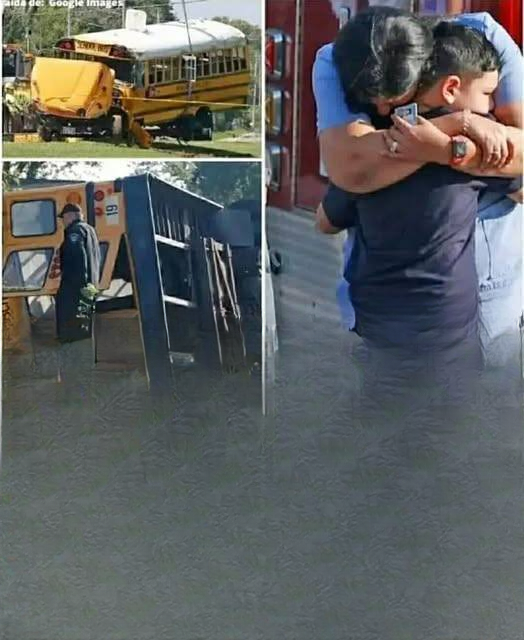
Eight Years Later: Remembering the Karatu School Bus Tragedy in Tanzania
A Day That Changed a Nation Forever
More than eight years have passed since Tanzania experienced one of the most heartbreaking transportation tragedies in its modern history. The Karatu school bus accident, which occurred on May 6, 2017, remains deeply embedded in the national memory. The incident resulted in the loss of 32 schoolchildren, two teachers, and the driver of the vehicle, leaving families, schools, and entire communities in profound grief.
Even today, the event is remembered not only as a moment of national sorrow but also as a turning point in conversations about transportation safety, student travel standards, and emergency preparedness across the country. Each year, memorials and remembrance gatherings continue to honor those who lost their lives, ensuring that their memory remains present in public consciousness.
The Journey That Ended in Tragedy
On the day of the incident, students from Lucky Vincent Primary School in Arusha were traveling to Karatu district to take part in a mock national examination. For many of the children, the trip represented both excitement and pride—a step forward in their educational journey and future ambitions.
The bus carried students, teachers, and a driver who had years of experience transporting school groups. As the journey continued through the Karatu region, the vehicle passed along roads that included steep slopes and sharp bends, conditions that can be particularly challenging depending on weather and road quality.
Reports at the time indicated that the bus encountered difficulty while navigating a curved section of road. In a sudden and tragic moment, the vehicle lost control and left the roadway, descending into a ravine below. The severity of the accident meant that emergency response teams and local residents had to act quickly to reach the scene and assist those affected.
When help arrived, the situation was devastating. Rescue efforts involved local volunteers, emergency personnel, and nearby villagers who worked together to assist survivors and recover victims from the wreckage. Their response demonstrated both courage and compassion during an extremely difficult moment.
National Response and Collective Grief
News of the accident spread rapidly across Tanzania. Media outlets interrupted regular programming to report updates, and images from the scene circulated widely, prompting shock and sorrow throughout the country.
Then-President John Magufuli declared a period of national mourning, encouraging citizens to come together in solidarity with the affected families. Across Tanzania, people gathered in churches, schools, and community centers to pray, reflect, and support one another during the difficult time.
The loss of so many young students deeply affected the nation, as the victims represented the future generation—children with aspirations, talents, and dreams that had yet to unfold. Teachers, parents, and classmates all shared in the collective grief, creating a unified moment of national reflection.
Survivors and the Road to Recovery
Amid the tragedy, three students survived the accident: Wilson, Sadia, and Doreen. Although they sustained serious injuries, their survival became a source of hope during an otherwise devastating moment.
Due to the severity of their medical conditions, arrangements were made for the children to receive advanced treatment abroad, supported by humanitarian organizations and international partners. Their journey to recovery was long and required extensive medical care, rehabilitation, and emotional support.
Over time, their resilience became widely recognized, symbolizing strength and determination in the face of overwhelming hardship. Their recovery stories were followed closely by many who had been affected by the tragedy, offering a sense of hope and healing within the broader narrative of loss.
Safety Reforms and National Changes
In the aftermath of the Karatu bus accident, Tanzania undertook several measures aimed at improving road and transportation safety, particularly for school travel.
These included strengthened regulations on driver qualifications, increased requirements for vehicle inspections, and renewed focus on enforcing safety compliance for passenger transport. Authorities also placed greater emphasis on monitoring school transportation systems to help reduce future risks.
In addition to policy changes, infrastructure improvements were introduced in certain regions, especially in areas with challenging road conditions. Public awareness campaigns were also developed to promote safe driving practices and emergency preparedness.
While implementation and enforcement have varied over time, the incident continues to serve as a reference point in discussions about road safety reform and transportation oversight.
Remembering the Victims
Each year, families, educators, and community members gather to remember those who lost their lives in the tragedy. Memorial services are held near the site of the accident, where flowers are placed, prayers are offered, and the names of the victims are read aloud in remembrance.
For many families, these gatherings provide an important opportunity to honor their loved ones while also sharing their memories with others who understand their loss. Teachers and classmates often recall the personalities, dreams, and achievements of the students, ensuring that their identities are remembered beyond the tragedy itself.
Stories shared during memorial events often highlight the individuality of each child—students who excelled in different subjects, participated in school activities, or aspired to various future careers. These memories help preserve their legacy in a meaningful and personal way.
Community Support and Lasting Impact
Following the accident, various community-driven initiatives were established in memory of the victims. Scholarship programs, educational funds, and charitable efforts were created to support students and promote access to education.
In addition, organizations focused on road safety and child welfare have worked alongside local groups to improve awareness and strengthen safety practices. These efforts aim to ensure that the lessons learned from the tragedy contribute to meaningful long-term change.
International cooperation has also played a role in supporting safety initiatives and providing assistance to affected families. These combined efforts reflect a broader commitment to preventing similar incidents in the future.
A Legacy of Reflection and Responsibility
Eight years after the Karatu school bus tragedy, its impact remains significant. While time has allowed communities to heal in many ways, the memory of the event continues to influence national discussions about safety, responsibility, and prevention.
The tragedy serves as a reminder of the importance of maintaining strong safety standards, particularly when transporting children. It also highlights the need for continued investment in infrastructure, training, and oversight systems that protect vulnerable passengers.
For many, the incident is not only remembered as a moment of sorrow but also as a catalyst for reflection and gradual change.
Conclusion: Honoring Memory Through Awareness
The Karatu school bus accident remains one of the most painful chapters in Tanzania’s recent history. The loss of 32 students, two teachers, and a dedicated driver continues to be deeply felt by families and communities across the country.
However, their memory has also contributed to greater awareness and efforts toward improving transportation safety. Through remembrance events, policy discussions, and community initiatives, their legacy continues to influence positive action.
As Tanzania honors their memory each year, the focus remains not only on mourning the past but also on building a safer future. The tragedy stands as a lasting reminder of the importance of vigilance, care, and responsibility in protecting young lives.