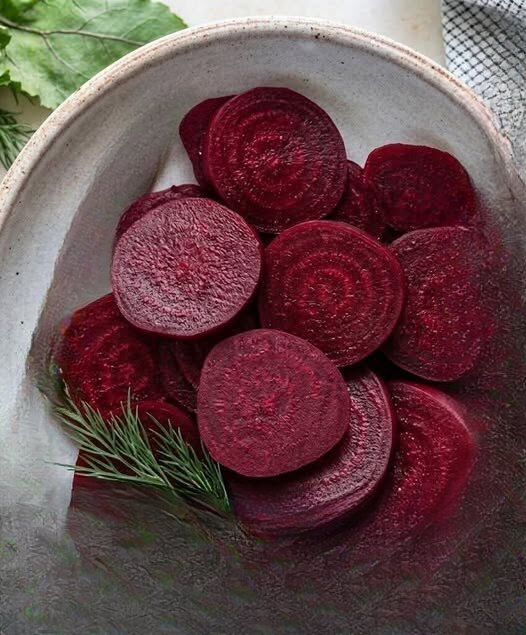
Beets are one of those vegetables that instantly stand out. Their deep red-purple color, earthy aroma, and slightly sweet taste make them unique compared to many other vegetables. Over the years, they have become increasingly popular in salads, juices, smoothies, and healthy meal plans.
At the same time, beets are often surrounded by bold claims online—some suggesting dramatic or immediate health effects. While these claims can be attention-grabbing, they often create confusion about what beets actually do inside the body.
So what really happens when you eat beets regularly?
The answer is more realistic and balanced. Beets do not produce instant transformations, but they do offer a range of nutritional benefits that can support overall wellness when included as part of a healthy, consistent diet.
What Are Beets?
Beets, also known as beetroot, are root vegetables that grow underground and have been consumed for centuries in different parts of the world. They are valued not only for their flavor but also for their versatility in cooking.
One reason for their modern popularity is their ability to fit into many types of meals. They can be:
- Roasted or baked as a side dish
- Sliced raw into salads
- Blended into smoothies
- Juiced for a concentrated drink
- Added to soups and warm dishes
This flexibility makes them easy to include in everyday diets without requiring major changes to eating habits.
Nutritional Value of Beets
Beets are considered nutrient-dense while remaining relatively low in calories. They provide a combination of vitamins, minerals, and natural plant compounds that contribute to their health reputation.
Key nutrients include:
Vitamin C – supports immune function and skin health
Folate (Vitamin B9) – important for cell growth and repair
Potassium – helps maintain fluid balance and supports muscle function
Iron – plays a role in oxygen transport in the body
Fiber – supports digestion and gut health
In addition to these nutrients, beets naturally contain nitrates, plant compounds that play a role in how the body manages blood flow and circulation.
How Beets Work in the Body
Unlike stimulant-based foods or supplements, beets work gradually. Their effects are subtle and build over time rather than appearing immediately after consumption.
1. Supporting Circulation
One of the most studied properties of beets is their nitrate content. After eating them, the body can convert these nitrates into compounds that help support healthy blood vessel function.
This may contribute to:
- Better blood flow
- Improved oxygen delivery throughout the body
- Support for normal blood pressure levels
However, these effects are gradual and can vary depending on lifestyle, diet, and overall health.
2. Natural Energy Support
Beets provide carbohydrates along with essential nutrients, making them a steady source of energy.
Unlike processed sugary foods that may cause quick spikes and crashes, beets tend to offer a more stable release of energy. This makes them suitable for:
- Pre-activity meals
- Midday nutrition
- General daily energy support
Some people also include beet juice in their routine before exercise, although results vary individually.
3. Digestive Health Benefits
Beets contain dietary fiber, which plays an important role in supporting digestion.
Fiber helps:
- Promote regular bowel movements
- Support a balanced gut environment
- Improve digestive comfort over time
When eaten consistently as part of a balanced diet, beets can contribute positively to digestive wellness.
4. Overall Nutritional Support
Like many vegetables, beets contain natural plant compounds that contribute to general health. While they are sometimes labeled as a “superfood,” it is more accurate to view them as part of a varied and balanced diet rather than a standalone solution.
Their benefits are most effective when combined with other healthy foods and lifestyle habits.
A Common but Harmless Effect: Color Changes
One surprising but completely harmless effect of eating beets is a change in body waste color.
Some people may notice:
- A reddish or pink tint in urine
- A similar color shift in stool
This condition is known as beeturia, and it is not harmful.
It occurs due to natural pigments in beets passing through the digestive system. Not everyone experiences it, and its appearance varies from person to person.
Why Effects Differ Between Individuals
Beets do not affect everyone in the same way. Several factors influence how the body responds, including:
- Overall diet
- Hydration levels
- Metabolism
- Activity level
- Frequency of beet consumption
Because of this, some people may notice subtle effects more clearly than others, while some may not notice significant changes at all.
Common Misunderstandings About Beets
With the rise of health content online, beets are sometimes associated with exaggerated claims, such as instant energy boosts or rapid health transformations.
In reality:
- Beets do not produce immediate results
- They are not a cure-all food
- They work best as part of a balanced diet
Understanding this helps set realistic expectations and encourages healthier eating habits overall.
Easy Ways to Include Beets in Your Diet
Adding beets to your meals is simple and does not require complicated preparation.
Popular options include:
- Roasting them for salads or side dishes
- Blending into smoothies with fruit
- Adding to soups and stews
- Drinking beet juice in moderation
- Combining with grains, legumes, or vegetables
For beginners, starting with small portions is often the best approach to adjust to their flavor and texture.
Important Considerations
Beets are generally safe for most people when consumed in moderation. However, balance is key.
It is recommended to:
- Avoid excessive intake
- Eat a variety of vegetables
- Maintain a balanced diet overall
If someone has specific health conditions or dietary restrictions, consulting a healthcare professional is always a good idea.
The Bigger Picture of Healthy Eating
It is easy to focus on individual “superfoods,” but long-term health is built through consistent habits rather than single ingredients.
Beets can be a helpful addition, but they work best alongside:
- A variety of fruits and vegetables
- Regular physical activity
- Proper hydration
- Good sleep habits
- Balanced nutrition overall
Health is a long-term process, not a quick fix.
Final Thoughts
So, what actually happens when you eat beets?
In simple terms, they provide steady nutritional support that benefits the body over time. They can contribute to digestion, circulation, and energy levels while also offering essential vitamins and minerals.
They may also cause harmless color changes in urine or stool, which can be surprising if you are not expecting it.
Most importantly, beets should be seen as part of a balanced and varied diet rather than a miracle food. Their true value comes from consistent inclusion in healthy eating habits.
In the end, beets are a colorful, nutritious, and versatile vegetable that can easily fit into everyday meals—and support your overall well-being in a simple, natural way.
One of the most practical aspects of beets is how easily they fit into daily eating habits. Unlike many specialized health foods that require preparation or supplementation, beets are simple, affordable, and widely available in most grocery stores.
This accessibility makes them a realistic option for people who want to improve their diet without making drastic changes. Whether added occasionally or eaten regularly, they can contribute to a more nutrient-rich eating pattern over time.
In many traditional diets, beets have been used not because of modern health trends, but because they are filling, flavorful, and easy to store. This long history of use adds to their credibility as a dependable food source rather than a temporary wellness trend.
Beets and Hydration Support
Another often-overlooked benefit of beets is their contribution to hydration. While they are not a substitute for water, beets have a naturally high water content, which can support overall fluid intake when included in meals.
Proper hydration plays a key role in:
- Energy regulation
- Digestion efficiency
- Skin health
- Cognitive function
When combined with other water-rich foods like fruits and leafy greens, beets can help support the body’s hydration needs in a natural and balanced way.
Beets in Modern Health Trends
In recent years, beets have gained attention in wellness communities, especially in areas related to fitness and endurance. Some athletes and active individuals include beet-based drinks or meals in their routines as part of a broader nutritional strategy.
This interest is largely due to their natural nitrate content, which has been studied for its potential role in supporting exercise performance and oxygen efficiency. However, it is important to understand that results can vary widely depending on the individual and overall lifestyle.
Beets should not be viewed as a performance enhancer on their own, but rather as one small part of a well-rounded nutritional approach.
Practical Tips for Getting the Most from Beets
To enjoy beets in a simple and sustainable way, preparation matters. The method used can influence both taste and nutritional value.
Here are a few practical suggestions:
- Roasting enhances flavor: Roasted beets develop a naturally sweet and rich taste that pairs well with other vegetables.
- Raw preparation keeps it fresh: Thinly sliced raw beets add crunch and color to salads.
- Blending makes them easy to consume: Mixing beets into smoothies with fruits like apples or berries helps balance their earthy flavor.
- Pairing improves nutrition: Combining beets with healthy fats like olive oil or proteins like beans creates a more complete meal.
These simple methods make it easier to include beets regularly without feeling repetitive.
A Balanced Perspective on Beets
While beets offer many nutritional advantages, it is important to maintain a realistic perspective. No single food can determine overall health on its own. Instead, health is shaped by long-term habits, variety, and consistency.
Beets can certainly support wellness, but they work best when combined with other nutrient-rich foods and a balanced lifestyle. This includes physical activity, adequate rest, and mindful eating habits.
By viewing beets as part of a larger dietary pattern rather than a standalone solution, their true value becomes clearer and more sustainable.
Final Takeaway
Beets are a simple, natural food with a wide range of nutritional benefits. They support the body in subtle but meaningful ways, from digestion and circulation to energy and hydration.
While they may not deliver instant or dramatic changes, their strength lies in consistency. Over time, regular inclusion of beets in a balanced diet can contribute to overall well-being in a gentle and reliable way.
In the end, beets remind us of an important truth about nutrition: it is not about quick fixes, but about steady, everyday choices that support the body in the long run.