Certain headlines spread quickly online because they spark curiosity almost instantly:
“If you have this plant in your house, then you have luck.”
“If you own this plant, prosperity is coming.”
“This common houseplant can transform your life.”
While many of these claims are exaggerated for attention, there’s often a small amount of truth behind them. Plants may not magically change your destiny, but they can positively influence your environment, mood, and daily routine in surprisingly meaningful ways.
Here’s a closer look at what some of the most popular houseplants may actually bring into your home.
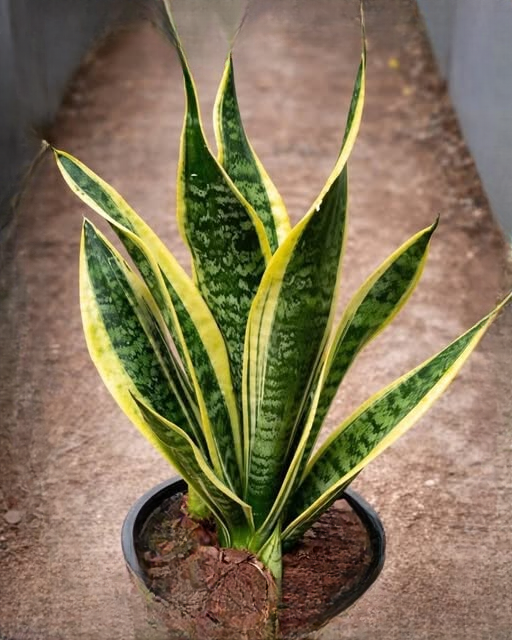
🌿 Snake Plants: More Than Just a Trendy Decoration
The snake plant, also known as Sansevieria, is often promoted online as a powerful air-purifying plant.
This idea became popular after a famous NASA study suggested certain indoor plants could help remove small amounts of airborne toxins under controlled conditions.
What’s True?
Snake plants can contribute modestly to indoor air quality, and they release oxygen while requiring very little maintenance. However, experts point out that a few houseplants alone are unlikely to dramatically purify the air in an average home compared to proper ventilation or air filtration systems.
What You Really Gain
Even without miracle claims, snake plants offer several genuine benefits:
- Low-maintenance indoor greenery
- A calmer and more welcoming atmosphere
- Visual connection to nature indoors
- A plant that survives well even with minimal care
Their structured appearance and deep green color can also make rooms feel more peaceful and balanced.
💚 Money Plants and the Symbolism of Growth
Plants like pothos or jade plants are often called “money plants” because they are associated with prosperity and abundance in traditions such as Feng Shui.
Many people believe these plants symbolize growth, opportunity, and positive energy.
What’s True?
There’s no scientific evidence that keeping a money plant will directly increase wealth or financial success.
What You Really Gain
What these plants can provide is something more practical:
- A visual reminder of growth and progress
- A rewarding care routine
- A bright and lively indoor environment
- A sense of accomplishment as the plant thrives
For many people, nurturing a growing plant can reinforce positive habits, patience, and consistency.
🌸 Lavender and Relaxation
Lavender is one of the few plants commonly linked to wellness benefits that has stronger scientific support behind it.
Its scent has long been associated with relaxation and stress relief.
What Research Suggests
Studies have shown that lavender aroma may help support:
- Relaxation
- Reduced stress levels
- Better sleep quality for some individuals
Lavender is especially popular in aromatherapy, essential oils, and calming bedtime routines.
What You Really Gain
Keeping lavender nearby may help create:
- A soothing atmosphere
- A pleasant natural fragrance
- A more restful environment
Even the simple act of smelling calming scents can influence mood and comfort levels.
🌱 Why Indoor Plants Matter More Than People Realize
The real value of houseplants often has less to do with superstition and more to do with psychology and environment.
Adding greenery to indoor spaces can subtly improve how a home feels.
Many people report that plants help create:
- A calmer atmosphere
- A more welcoming living space
- A stronger connection to nature
- Reduced feelings of stress or mental fatigue
Even small changes in environment can affect mood and emotional well-being over time.
The Hidden Benefit: Caring for Something Living
One overlooked advantage of keeping plants is the routine itself.
Watering, trimming, repotting, and monitoring a plant’s growth can become grounding daily habits. For some people, plant care offers a quiet sense of responsibility and mindfulness that feels therapeutic.
In busy or stressful times, these small routines can provide moments of calm and focus.
That’s part of why so many people became interested in indoor gardening and houseplants in recent years.
⚠️ A Reminder About Viral Plant Claims
While plants offer many real benefits, it’s important to stay realistic about exaggerated online claims.
Houseplants cannot:
- Cure diseases
- Replace medical treatment
- Guarantee wealth or success
- Literally “absorb negative energy” in a supernatural way
Many viral posts mix cultural traditions, symbolism, and internet hype together. Appreciating plants for their genuine benefits is usually far more meaningful than expecting magical results.
🌿 Plants and Emotional Wellness
Although plants may not change your fate, research continues to show that natural environments can positively affect mental well-being.
Even indoor greenery may help people feel:
- More relaxed
- More connected to their surroundings
- More comfortable at home
- Less mentally overwhelmed
This is especially important in modern lifestyles where many people spend large amounts of time indoors.
A small amount of nature inside the home can make a space feel softer, warmer, and more alive.
Popular Houseplants People Love for a Reason
Some of the most commonly appreciated indoor plants include:
- Snake plants
- Pothos
- Jade plants
- Lavender
- Peace lilies
- Aloe vera
- Spider plants
Most remain popular not because they are magical, but because they are beautiful, calming, and relatively easy to maintain.
Final Thoughts 🌱
If you have plants in your home, you probably do have something valuable—but it may not be exactly what internet headlines promise.
You may have:
- A more peaceful environment
- A healthier daily routine
- A stronger connection to nature
- A calming visual presence in your space
- Small moments of mindfulness throughout the day
And honestly, those benefits are meaningful enough on their own.
A plant doesn’t need supernatural powers to improve a room or brighten someone’s mood. Sometimes a little more green, a little more life, and a little more calm are already enough to make a real difference.