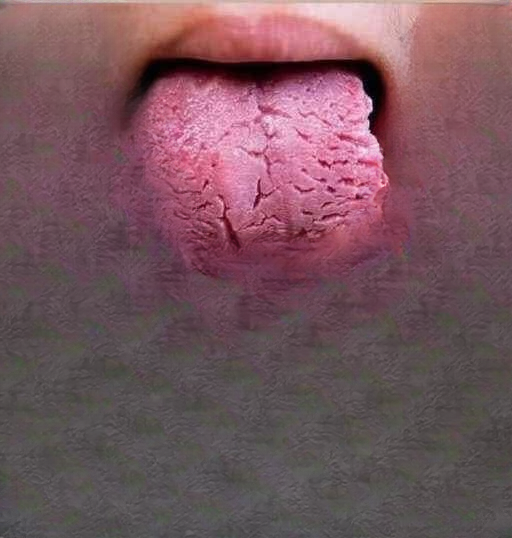
Introduction: When a Small Change Raises Big Questions
Waking up and noticing a white coating on your tongue can be unsettling. Many people immediately worry that something is seriously wrong, especially when online headlines exaggerate symptoms or link them to alarming consequences. In reality, a white tongue is usually harmless, often temporary, and commonly related to everyday habits. Still, because the tongue is part of the body’s early warning system, changes in its appearance can sometimes reflect broader health or lifestyle issues.
Understanding what causes a white tongue—and just as importantly, what does not—can reduce anxiety and help you respond appropriately. This article explores the most common reasons, less common medical associations, lifestyle factors, and practical steps you can take to restore normal tongue color and maintain oral health.
This is informational content only, not a diagnosis. If symptoms persist or worsen, a healthcare professional should always be consulted.
Understanding the Tongue: Why Its Appearance Matters
The tongue is more than a muscle used for speaking and eating. It plays a role in:
-
Digestion
-
Taste perception
-
Oral immunity
-
Early detection of dehydration or illness
The surface of the tongue is covered in tiny bumps called papillae. When these papillae trap debris, bacteria, or dead cells, the tongue can appear white instead of its normal pink color.
What a White Tongue Actually Is
A white tongue is typically caused by a coating, not a change in the tongue tissue itself. This coating may consist of:
-
Dead skin cells
-
Food debris
-
Bacteria
-
Yeast (in some cases)
The thickness, texture, and location of the white coating can offer clues about its cause.
Common Causes of a White Tongue
1. Poor Oral Hygiene
The most frequent and least concerning cause.
When the tongue is not cleaned regularly, debris accumulates between the papillae. This can result in:
-
A white or off-white coating
-
Mild bad breath
-
A fuzzy or rough tongue feeling
Why it happens:
Brushing teeth alone does not clean the tongue. Bacteria thrive in the warm, moist environment of the mouth.
What helps:
-
Brushing the tongue gently
-
Using a tongue scraper
-
Brushing twice daily
-
Flossing once daily
2. Dehydration and Dry Mouth
Saliva plays a critical role in oral health. It naturally cleans the tongue and limits bacterial growth.
When you’re dehydrated:
-
Saliva production drops
-
Bacteria accumulate more easily
-
The tongue may appear white or pale
Common dehydration triggers:
-
Not drinking enough water
-
Excess caffeine or alcohol
-
Fever
-
Intense exercise without fluid replacement
What helps:
-
Increasing water intake
-
Reducing alcohol
-
Using sugar-free lozenges if needed
3. Mouth Breathing and Sleeping Habits
Sleeping with your mouth open—often due to nasal congestion, allergies, or snoring—can dry out the tongue overnight.
This dryness allows:
-
Bacteria to multiply
-
Debris to stick to the tongue
-
Morning white coating to form
What helps:
-
Treating nasal congestion
-
Using a humidifier
-
Staying hydrated before bed
4. Temporary Bacterial Overgrowth
Not all bacteria are harmful. However, changes in diet, hygiene, or hydration can temporarily alter oral bacteria balance.
This may occur after:
-
Illness
-
Antibiotic use
-
Stress
-
Dietary changes
In many cases, balance returns naturally within days.
Medical Conditions Sometimes Associated with a White Tongue
While most cases are harmless, persistent or unusual white patches may sometimes be linked to medical conditions.
5. Oral Thrush (Candidiasis)
A yeast overgrowth caused by Candida species.
Typical features:
-
Creamy white patches
-
Patches may scrape off
-
Underlying redness or soreness
-
Sometimes a burning sensation
Higher risk groups:
-
Infants
-
Older adults
-
People with diabetes
-
Those using inhaled steroids
-
Recent antibiotic users
Treatment:
Prescribed antifungal medication if confirmed by a clinician.
6. Leukoplakia
A condition where thick white patches develop on the tongue or inner cheeks.
Important notes:
-
Cannot be scraped off
-
Often painless
-
Usually linked to tobacco use or chronic irritation
While typically benign, persistent leukoplakia should be evaluated by a healthcare professional.
7. Geographic Tongue (Sometimes White-Edged)
This harmless condition causes irregular patches on the tongue.
Features:
-
Smooth red patches
-
White or pale borders
-
Appearance changes over time
No treatment is usually required.
8. Lichen Planus (Rare)
An inflammatory condition that can affect the mouth.
Signs:
-
Lacy white patterns
-
Mild discomfort
-
Often chronic
Evaluation by a professional is recommended if suspected.
Lifestyle Factors That Can Influence Tongue Color
Diet
Certain foods and habits can contribute to tongue coating:
-
High sugar intake
-
Processed foods
-
Excess dairy
-
Alcohol consumption
Balanced nutrition supports oral health.
Smoking and Vaping
Tobacco products:
-
Dry the mouth
-
Increase bacterial buildup
-
Irritate tongue tissue
They are strongly associated with persistent white patches.
Stress and Immune Health
Chronic stress can:
-
Reduce immune efficiency
-
Alter oral bacteria
-
Increase risk of yeast overgrowth
Stress management can indirectly improve oral health.
What a White Tongue Is NOT
It’s important to dispel common myths:
-
❌ It is NOT automatically a sign of serious disease
-
❌ It does NOT usually indicate infection
-
❌ It is NOT caused by sleeping next to someone
-
❌ It is NOT contagious in most cases
-
❌ It is NOT usually dangerous
Most cases resolve with simple hygiene and hydration.
When to See a Healthcare Professional
You should seek medical advice if:
-
The white coating lasts longer than 2 weeks
-
Patches are painful or bleeding
-
You experience difficulty swallowing
-
There is unexplained weight loss
-
The coating does not scrape off
-
You have immune-related conditions
Daily Prevention and Care Tips
Oral Care Routine
-
Brush teeth twice daily
-
Clean tongue gently
-
Floss daily
-
Use alcohol-free mouthwash
Hydration
-
Drink water consistently
-
Limit caffeine and alcohol
Dietary Support
-
Eat fruits and vegetables
-
Reduce sugar
-
Include probiotics if appropriate
Lifestyle
-
Avoid tobacco
-
Manage stress
-
Sleep adequately
Children, Older Adults, and White Tongue
-
Children: Often due to hygiene or mild thrush
-
Older adults: More prone due to dry mouth and medications
-
Infants: White tongue is often milk residue, not thrush
Context matters greatly.
Psychological Impact: Why Online Headlines Cause Fear
Many viral headlines exaggerate symptoms, linking harmless signs to dramatic outcomes. This can lead to:
-
Health anxiety
-
Unnecessary panic
-
Misinformation spread
Reliable health information focuses on context, not fear.
The Bottom Line
A white tongue is common, usually harmless, and often temporary. In most cases, it reflects hygiene, hydration, or lifestyle factors rather than disease.
Pay attention—but don’t panic.
Your body communicates in subtle ways, and understanding those signals calmly is far more powerful than fearing them.
A Final Word on Awareness, Not Alarm
It’s easy to fall into fear when the body shows even small changes. The internet is full of dramatic warnings that turn ordinary symptoms into ominous predictions. But a white tongue, in the overwhelming majority of cases, is simply the body responding to routine, fixable factors—hydration levels, oral hygiene, diet, stress, or temporary changes in bacterial balance.
What matters most is awareness without obsession. Paying attention to your body is healthy; assuming the worst is not. The tongue is remarkably resilient and often the first part of the body to recover once habits improve.
Consistency Is More Powerful Than Cure
There is no miracle treatment required for most white tongue cases—only consistency:
-
Consistent oral hygiene
-
Consistent hydration
-
Consistent sleep
-
Consistent self-care
Small daily actions quietly correct what looks alarming in the mirror. Over time, they protect not just oral health, but overall well-being.
Trust the Process, Trust the Body
The human body constantly repairs, cleans, and balances itself. When supported instead of stressed, it does its job remarkably well. A white tongue is rarely a warning siren—it’s more often a gentle nudge to slow down, drink water, brush a little better, and take care.
If symptoms persist, medical guidance is always the right step. But for most people, reassurance, routine, and patience are enough.
Knowledge replaces fear. Care replaces panic. And understanding always brings peace.
Closing Reflection: Listening Without Fear
In a world where every symptom is amplified into a headline, it’s important to return to balance. The body does not speak in riddles meant to scare us; it communicates in patterns meant to guide us. A white tongue, more often than not, is simply one of those signals—a reminder rather than a warning.
What truly matters is how we respond. Choosing calm observation over panic allows us to act wisely. Improving daily habits, staying hydrated, managing stress, and maintaining good oral care are not dramatic solutions, but they are powerful ones. They work quietly, restoring harmony without disruption.
Health Is Built in Ordinary Moments
Wellness is not achieved through sudden reactions to fear-driven information. It is built in ordinary moments:
-
The glass of water you choose instead of another coffee
-
The extra thirty seconds spent cleaning your tongue
-
The decision to rest when your body feels run down
These choices add up. Over time, they strengthen the body’s natural defenses and reduce the likelihood of recurring issues.
An Ending Rooted in Perspective
A white tongue does not define your health, predict your future, or signal inevitable decline. It is a small, often temporary change—one that most people experience at some point in life. When understood in context, it loses its power to frighten.
Stay informed, stay observant, and stay grounded. Health thrives where understanding replaces fear and where care is practiced consistently, not reactively.
This is not an ending of concern, but an ending of clarity.