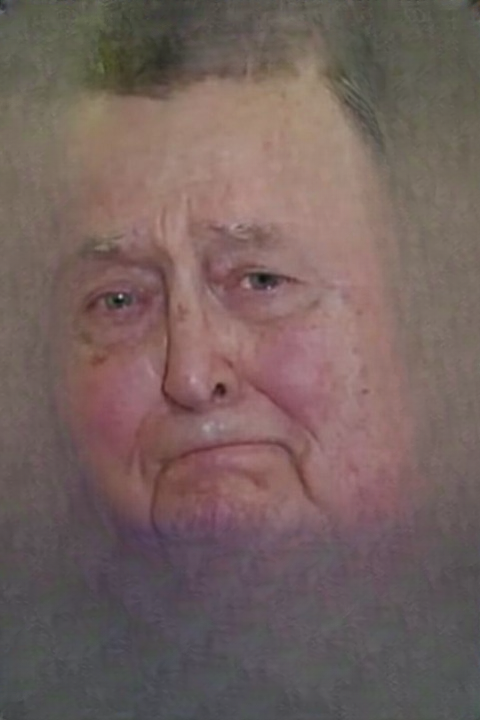
For more than a decade, Ed Bambas showed up to work without complaint. Day after day, he put on his uniform, made the long commute, and stood on his feet for hours at a time. Customers saw him as a familiar, friendly face at the supermarket. Few realized that behind his steady smile was a story shaped by sacrifice, loss, and resilience.
At 88 years old, Ed is an army veteran who once believed he had done everything right. He served his country, worked hard, and planned carefully for retirement. But life had other plans—ones that slowly unraveled the sense of security he thought he had earned.
Today, thanks to an unexpected wave of generosity from strangers around the world, Ed will finally be able to retire. A viral online campaign raised more than $1.5 million in just days, giving him not only financial relief but something just as meaningful: reassurance that his life and perseverance mattered.
A Future That Once Looked Secure
Ed’s working life followed a path familiar to many in his generation. After completing his military service, he found steady employment and dedicated decades to his job. Like countless workers, he trusted that loyalty and consistency would be rewarded with stability later in life.
For years, that belief seemed justified. Ed had a pension, health insurance, and a home he shared with his wife. They lived modestly but comfortably, confident that their later years would be peaceful.
Then, in 2012, everything changed.
The company Ed worked for declared bankruptcy, and with it went the pension he depended on. Overnight, the financial foundation he had spent a lifetime building disappeared. What made the loss even harder was its timing—just as his wife’s health began to decline.
A Series of Unimaginable Losses
As medical bills mounted, Ed faced decisions no one ever expects to make. He sold the home he and his wife had built together, using the money to pay for her care. He lost his health insurance. Savings dwindled. The future grew increasingly uncertain.
Seven years ago, his wife passed away.
Her death left a silence that money could never fill. For Ed, grief became a daily companion—one he learned to live alongside rather than overcome. But even in mourning, there was no option to stop working.
Without a pension and with limited resources, Ed returned to the workforce. He took a job at a supermarket located 45 miles west of Detroit, committing to eight-hour shifts, five days a week. The commute was long. The work was physically demanding. But Ed showed up anyway.
Not because he wanted to—but because he had to.
Working at 88, Not by Choice but Necessity
To customers, Ed was polite, reliable, and unassuming. To coworkers, he was dependable and kind. Few would have guessed his age, and even fewer would have guessed the reasons he was still there.
Ed never asked for attention. He never told his story to seek sympathy. In fact, he didn’t even use social media. He owns a flip phone and has never logged onto TikTok or Instagram. The idea that millions of people would one day know his name was never something he imagined.
That changed because of one chance encounter.
A Meeting That Changed Everything
Australian influencer Samuel Weidenhofer was traveling in the United States when he heard about Ed through local conversations. Along with Michigan-based influencer Mike McKinstry, Samuel decided to find Ed and hear his story firsthand.
When Samuel met Ed at the supermarket, the moment was quiet and deeply human. There were no dramatics, no rehearsed speeches. Just a conversation between two people from very different worlds.
Ed spoke honestly about his life—his service, his wife, the pension he lost, and why he was still working at an age when most people had long since retired. Samuel listened.
Moved by what he heard, Samuel handed Ed a $400 tip on the spot. But he didn’t stop there.
A Story Shared, A Response Unimaginable
Samuel shared Ed’s story online, hoping to give him a chance at something he hadn’t had in years: rest.
A GoFundMe was created, and within hours, donations began pouring in. Then they surged. Messages of gratitude, admiration, and respect flooded the page.
In just a few days, contributions exceeded $1.5 million. One donor alone gave $10,000.
People from around the world—many of whom would never meet Ed—wanted to help. They wanted to say thank you. They wanted to give back to someone who had quietly given so much.
Samuel later said he never expected the response to be so overwhelming.
“I just wanted to give him a chance to retire and have some comfort,” he explained. “I didn’t expect this much support. It’s record-breaking.”
Hearing the Impact in Ed’s Own Words
Ed later spoke with WXYZ, sharing his thoughts with humility and emotion. The attention was unfamiliar and overwhelming, but the gratitude was sincere.
He spoke about his wife, his voice softening as he remembered her.
“I try to visit her grave every day,” Ed said. “It helps me get through.”
For years, his routine had been built around survival—working, commuting, coping. Now, for the first time in a long while, the future looked different.
The donations meant Ed could retire. They meant medical security. They meant peace of mind.
But more than anything, they meant he was no longer invisible.
More Than Money: A Message of Worth
What makes Ed’s story resonate isn’t just the amount raised. It’s what the response represents.
In a world that often feels rushed and disconnected, millions of people paused to help one elderly man they had never met. They chose compassion over indifference. Gratitude over apathy.
Ed didn’t go viral because he asked for help. He went viral because people recognized quiet dignity—and responded.
His story is a reminder that service doesn’t end when uniforms are folded away. That love doesn’t disappear with loss. And that kindness, when shared, can ripple farther than anyone expects.
A Retirement Long Earned
Ed Bambas will no longer have to wake before dawn to make a long drive to work. He will no longer have to worry about whether his body can keep up with the demands of another shift.
Instead, he can rest.
He can visit his wife’s grave without watching the clock. He can live without the constant pressure of financial uncertainty. He can finally experience the retirement he once thought had slipped away forever.
And while the internet may move on to the next story, the impact of this one will remain—with Ed, and with the countless people who were reminded that small acts of kindness can change lives.
As the days passed and the campaign continued to draw attention, Ed found himself adjusting to a reality he never expected. Phone calls came in from reporters. Letters and messages arrived from people who wanted to thank him for his service or simply let him know they were thinking of him. For a man who had spent most of his life working quietly and avoiding the spotlight, the sudden attention was humbling.
Despite it all, Ed remained the same person he had always been. He spoke more about gratitude than hardship, more about his wife than himself. He described her as his greatest support, someone who believed deeply in hard work and kindness. He said he hoped she would be proud—not of the money raised, but of the goodness people had shown one another.
Those close to Ed noticed a change as well. The constant fatigue that once followed him seemed to lift slightly. He smiled more easily. The weight of uncertainty no longer pressed on him with the same force. For the first time in years, he could plan beyond the next workweek.
Community members from the area near the supermarket also expressed their appreciation. Customers who had passed Ed in the aisles for years now realized how much he had endured without ever complaining. Many said his story reminded them to slow down, to notice the people around them, and to never assume they know someone’s circumstances.
Samuel and Mike both emphasized that while the campaign centered on Ed, its impact extended far beyond one individual. They hoped it would spark conversations about how society treats older workers, veterans, and those who fall through the cracks despite doing everything they were told was right.
Ed himself put it more simply. He said the experience restored his faith in people.
“I didn’t expect anything like this,” he shared. “I just kept going because that’s what you do. To know people care—it means everything.”
As Ed prepares for retirement, there is no grand plan. He looks forward to quieter mornings, simple routines, and time to reflect. He plans to visit familiar places, tend to small tasks he once postponed, and honor the life he shared with his wife.
His story now stands as a reminder that it is never too late for kindness to arrive—and that even in the later chapters of life, moments of hope can still unfold.