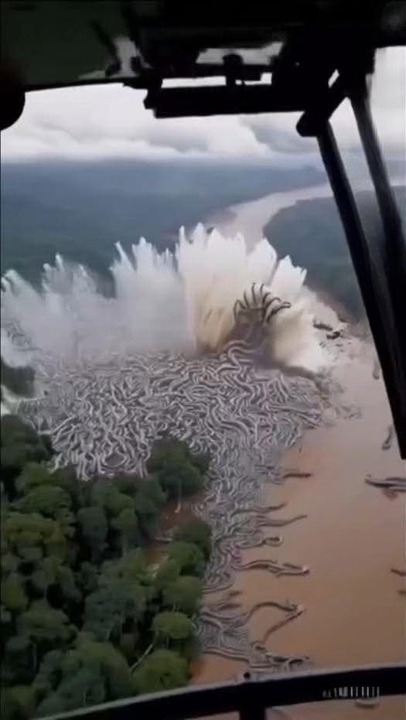
Humankind has always been captivated by the unknown, the unseen, and the mysterious. From shadowy figures glimpsed in remote forests to tales of colossal, enigmatic creatures, stories of cryptids and legends pervade cultures worldwide. These narratives often serve as cautionary tales, sources of local pride, or simply thrilling stories to pass the time.
Over the decades, filmmakers and storytellers have translated these mysterious tales into visual media, merging folklore with suspense, horror, and science fiction. Movies such as The Mothman Prophecies (2002), Chasing Bigfoot (2015), and The Legend of Boggy Creek (1972) have brought cryptid stories into the public imagination. Documentaries and books like Sasquatch Among Wildmen (2020) explore the global patterns of legendary creatures, revealing the common threads that run through human fascination with hidden giants.
In this article, we delve into the cultural, historical, and psychological aspects of cryptid legends, examining the films, folklore, and enduring allure of creatures such as the Mothman, Bigfoot, and the Yeti.
I. The Mothman Prophecies: West Virginia’s Enigmatic 1960s
In The Mothman Prophecies (2002), the eerie events of Point Pleasant, West Virginia, during the 1960s are dramatized as a chilling tale of foreboding and unexplained phenomena. The film portrays the Mothman—a winged, red-eyed figure—as a harbinger of disaster, weaving tension and suspense into the narrative.
The movie’s appeal lies in its blend of mystery, psychological thriller elements, and folklore, portraying how local legends can evolve into national narratives. While the Mothman is rooted in eyewitness accounts and urban legend, the film transforms these reports into a gripping story that questions the boundaries between reality and the supernatural.
The Real-Life Backdrop
The original reports of the Mothman began in the late 1960s when locals in Point Pleasant claimed to have seen a tall, winged creature with glowing red eyes. These sightings coincided with the tragic collapse of the Silver Bridge in 1967, which killed dozens of people. The timing of the sightings gave rise to speculation that the Mothman served as a warning of impending disaster.
This blend of tragic history and folklore contributes to the lasting fascination with the creature and demonstrates how real-world events often fuel legendary storytelling.
II. Chasing Bigfoot: A Blend of Science and Storytelling
Chasing Bigfoot (2015) represents a different approach to cryptid narratives, combining documentary-style exploration with storytelling. Unlike dramatized films like The Mothman Prophecies, this documentary focuses on the cultural phenomenon surrounding Bigfoot, analyzing both eyewitness accounts and scientific investigations.
Bigfoot, also known as Sasquatch, is perhaps one of North America’s most famous cryptids. Descriptions typically depict a large, ape-like creature inhabiting remote forests and mountainous regions. The enduring legend combines indigenous folklore, anecdotal evidence, and modern sightings, reflecting the human desire to believe in hidden, unexplained entities.
The Appeal of Investigation
By presenting interviews with researchers, skeptics, and believers, Chasing Bigfoot demonstrates how people seek scientific validation for legendary creatures. This intersection of empirical inquiry and folklore underscores a unique aspect of human curiosity: the need to explore the unknown while seeking rational explanations.
III. The Legend of Boggy Creek: Arkansas’ Creature Lore
The Legend of Boggy Creek (1972) takes a local legend from Arkansas and transforms it into a national story. Centered on sightings of the Fouke Monster, a Bigfoot-like creature reported in the 1970s, the film combines regional authenticity with suspenseful storytelling.
The movie’s style—a docudrama approach blending interviews with dramatized reenactments—immerses viewers in both the folklore and the natural setting of the Arkansas swamps. Its success helped establish regional cryptid legends as a viable subject for cinema, inspiring future filmmakers to explore local myths across the country and around the world.
Local Fears, National Curiosity
The Fouke Monster narrative highlights how local fears and experiences can become shared cultural phenomena. Small communities often have their own cryptids, each with unique characteristics shaped by regional history, geography, and collective imagination. Films like The Legend of Boggy Creek capture this transformation from local anecdote to broader cultural icon.
IV. Global Legends and Hidden Giants
Stories of mysterious creatures are not unique to North America. Across the globe, humans have reported sightings of enormous, elusive beings. Sasquatch Among Wildmen (2020) explores creatures such as the Yeti in the Himalayas and the Yowie in Australia, showing that the fascination with hidden giants is universal.
The Common Thread
From the forests of the Pacific Northwest to the mountains of Nepal, these legends share common elements:
-
Large, bipedal creatures inhabiting remote areas
-
Elusiveness, with few or unreliable sightings
-
Connection to nature, often appearing in forests, mountains, or wetlands
-
Cultural symbolism, serving as protectors, omens, or mysteries to be solved
These recurring motifs suggest that cryptid stories fulfill deep psychological and cultural needs, providing a sense of wonder, caution, and narrative cohesion across generations and continents.
V. The Psychology of Cryptid Fascination
Why are humans so drawn to stories of creatures that may not exist? Psychological research indicates several contributing factors:
-
Curiosity and the Unknown – Humans are naturally drawn to mysteries and unsolved questions.
-
Pattern Recognition – The mind seeks meaning in ambiguous stimuli, sometimes interpreting shadows, sounds, or movements as evidence of creatures.
-
Folklore and Tradition – Legends are passed down, forming a shared cultural identity and reinforcing societal norms or fears.
-
Entertainment and Escapism – Cryptid stories provide thrill, suspense, and imaginative adventure, satisfying a need for storytelling and wonder.
These factors explain why cryptids remain compelling subjects for movies, books, and documentaries, even in a technologically advanced society.
VI. Cryptids in Popular Media
Movies, television shows, and literature play a crucial role in popularizing cryptid legends. Over the years, the portrayal of these creatures has evolved:
-
1970s-1980s: Films like The Legend of Boggy Creek and The Mothman Prophecies emphasized suspense, regional folklore, and docudrama techniques.
-
1990s-2000s: Documentaries and mockumentaries began blending entertainment with investigative approaches, exploring the line between reality and fiction.
-
2010s-Present: Modern films and series like Chasing Bigfoot and digital content on platforms such as YouTube leverage audience interaction, social media, and real-time reporting to engage viewers.
This evolution demonstrates how cryptid narratives adapt to changing cultural and technological contexts, maintaining relevance across generations.
VII. The Role of Geography in Cryptid Stories
Regional landscapes often shape the characteristics of local cryptids. Dense forests, remote mountains, swamps, and tundras provide plausible settings for mysterious creatures. For example:
-
Point Pleasant, West Virginia – Mothman
-
Pacific Northwest, USA – Bigfoot/Sasquatch
-
Himalayas – Yeti
-
Australian Outback – Yowie
-
Arkansas Swamps – Fouke Monster
Geography not only influences sightings but also contributes to the local cultural identity, turning cryptids into symbols of place and community.
VIII. The Intersection of Science and Folklore
While many cryptid accounts are anecdotal, scientific inquiry occasionally intersects with folklore. Cryptozoologists study reports, physical evidence, and environmental contexts to evaluate claims. Though mainstream science remains skeptical, the field reflects human curiosity and methodological attempts to investigate the unexplained.
-
DNA analysis, camera traps, and ecological surveys sometimes provide indirect insights.
-
Scientific frameworks allow researchers to differentiate between hoaxes, misidentifications, and unknown species.
Even if definitive proof remains elusive, the investigation of cryptids highlights the balance between skepticism and wonder, a recurring theme in human engagement with the unknown.
IX. Cryptids as Cultural Symbols
Beyond potential biological existence, cryptids function as cultural and symbolic figures. They reflect:
-
Societal fears – creatures often embody threats from nature or unknown forces
-
Human imagination – the capacity to envision beings beyond everyday experience
-
Local pride – communities celebrate cryptids in festivals, merchandise, and tourism
-
Environmental awareness – stories emphasize remote landscapes and the importance of ecological preservation
By serving multiple symbolic roles, cryptids transcend simple folklore, becoming embedded in human culture and storytelling.
X. Conclusion: Enduring Fascination
From the Mothman of West Virginia to Bigfoot in North America, the Yeti in the Himalayas, and the Yowie in Australia, humans have consistently sought stories of hidden creatures. Films like The Mothman Prophecies, Chasing Bigfoot, and The Legend of Boggy Creek translate these tales into compelling narratives, blending suspense, folklore, and sometimes investigative inquiry.
Cryptid legends endure because they satisfy human curiosity, imagination, and the need for stories that bridge the known and the unknown. Whether as cultural symbols, cautionary tales, or entertainment, these mysterious beings continue to captivate audiences, inspiring research, speculation, and the timeless allure of the unexplained.
By examining the interplay of folklore, geography, psychology, and media, it becomes clear that cryptids are more than myths—they are windows into human creativity, fear, and fascination. From local legends to global phenomena, the search for hidden giants is as much about humanity’s desire to explore the unknown as it is about the creatures themselves.