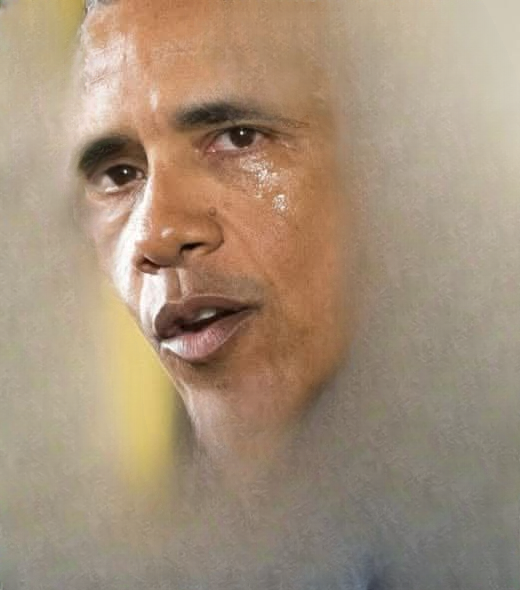
In recent remarks delivered from the Oval Office on July 22, former President Donald Trump made a series of statements alleging misconduct by former President Barack Obama related to the 2016 United States presidential election. Speaking to reporters, Trump asserted that actions taken by the previous administration amounted to severe wrongdoing, using language that suggested intentional efforts to improperly influence electoral outcomes and intelligence assessments.
These comments quickly drew national and international attention, in part because of the seriousness of the accusations and the symbolic weight of the setting in which they were made. However, Trump did not provide documentation, official records, or corroborating evidence to support the claims. As with similar statements he has made in the past, the remarks generated intense public debate while also prompting renewed scrutiny from journalists, legal experts, and political analysts.
Context Surrounding the Statements
Trump’s comments followed recent public remarks by Director of National Intelligence Tulsi Gabbard, who also raised concerns about actions taken during the 2016 election period. Her statements referenced what she characterized as serious misconduct related to intelligence handling and election interference. These claims, like Trump’s, were framed in broad terms and were not accompanied by newly released evidence or formal legal findings.
It is important to note that Russia has consistently denied interfering in the 2016 U.S. election. At the same time, U.S. intelligence agencies publicly concluded that Russian actors attempted to influence political discourse through cyber activity and disinformation campaigns. However, those same assessments emphasized that these efforts did not alter vote counts or determine the election’s outcome.
Findings From Official Investigations
Multiple investigations have examined the events surrounding the 2016 election, including inquiries conducted by U.S. intelligence agencies, bipartisan congressional committees, and the Special Counsel investigation led by Robert Mueller. These investigations documented foreign interference efforts aimed at influencing public opinion, but they did not conclude that domestic officials orchestrated illegal actions to manipulate the final election results.
The Mueller report, in particular, detailed Russia’s use of online influence operations and hacking attempts. However, it did not find evidence that former President Obama personally directed or engaged in criminal conduct related to election manipulation. Legal experts have consistently emphasized that the conclusions of these investigations remain central to understanding the historical record.
Legal Standards and Constitutional Definitions
The language used in Trump’s remarks also prompted legal commentary regarding the meaning of serious criminal terms in U.S. law. Under Article III, Section 3 of the Constitution, treason is narrowly defined and applies only in specific circumstances, such as levying war against the United States or aiding an enemy during wartime.
Constitutional scholars have pointed out that policy disagreements, intelligence disputes, or administrative decisions—however controversial—do not meet this legal threshold unless supported by clear evidence and judicial findings. Using such terminology without legal substantiation can blur the line between political rhetoric and formal legal accusation.
Responses From Officials and Analysts
Following the remarks, a spokesperson for the current administration responded by emphasizing the importance of factual accuracy and restraint in public statements. The response noted that while political debate is a core feature of democracy, allegations of serious misconduct should be supported by verifiable evidence before being presented as fact.
Political analysts observed that statements of this nature often intensify partisan divisions, particularly when they revisit events that have already been extensively investigated. While supporters may interpret the remarks as efforts to challenge institutional authority or expose perceived wrongdoing, critics argue that repeating unverified claims can undermine trust in democratic institutions.
Media Coverage and Public Reaction
The statements sparked widespread media coverage across traditional news outlets and digital platforms. Commentary ranged from strong criticism to vocal support, reflecting the polarized nature of contemporary political discourse. Social media amplified these reactions, with users interpreting the remarks through existing political perspectives.
Fact-checking organizations quickly examined the claims, comparing them against publicly available reports and official findings. Their analyses consistently noted the absence of new evidence supporting the allegations and reiterated the conclusions of prior investigations.
The Role of Responsible Communication
Experts in political communication have emphasized that public statements made by current or former presidents carry significant influence. When delivered from symbolic locations associated with executive authority, such remarks may be perceived as more credible, regardless of whether supporting evidence is presented.
This dynamic underscores the responsibility of public figures to distinguish clearly between opinion, belief, and verifiable fact. In democratic systems, allegations of misconduct are evaluated through established investigative and judicial processes, not through public assertion alone.
Broader Implications for Democratic Trust
Repeated circulation of unverified claims can contribute to public confusion and cynicism. Civic educators and historians have warned that when factual consensus erodes, it becomes more difficult for societies to engage in constructive debate on complex issues such as national security, intelligence oversight, and election integrity.
Maintaining trust in democratic institutions depends on transparency, accountability, and adherence to evidence-based standards. While skepticism and inquiry are healthy components of democracy, they must be grounded in documentation and due process.
Looking Ahead
As discussions about election security and foreign interference continue, policymakers and experts stress the importance of strengthening safeguards, improving transparency, and ensuring robust oversight of intelligence activities. These efforts aim to protect democratic processes from both external threats and internal misinformation.
In summary, while former President Trump’s statements drew immediate attention and strong reactions, existing investigative records do not support the allegations as presented. Official reports continue to show that although foreign actors attempted to influence public discourse in 2016, the election outcome itself was not altered, and no evidence has been established linking former President Obama to criminal misconduct.
The episode serves as a reminder of the importance of evidence-based discourse, careful communication by public figures, and the role of independent verification in preserving democratic norms. By approaching political claims with critical analysis and factual grounding, the public can better navigate complex narratives while maintaining confidence in democratic institutions.
Beyond the immediate reactions to high-profile political statements, this moment also highlights a broader challenge facing modern democracies: how to maintain a shared understanding of facts in an era of rapid information exchange. When claims circulate widely before being verified, they can shape public perception long before evidence-based assessments have time to emerge. This creates an environment where narratives compete for attention, sometimes overshadowing careful analysis.
Political scientists note that repeated exposure to disputed claims can gradually influence beliefs, even when those claims are later questioned or disproven. This phenomenon, sometimes referred to as the “familiarity effect,” underscores why responsible communication matters at every level of public leadership. When statements involve serious allegations or national security implications, the potential impact on public trust is magnified.
Journalists and editors play a critical role in this process by providing context, sourcing, and historical perspective. Rather than amplifying claims in isolation, responsible reporting places them alongside established facts, expert interpretation, and documented findings. This approach helps audiences distinguish between rhetoric and substantiated conclusions, allowing readers to form opinions grounded in evidence rather than emotion.
The situation also reinforces the value of institutional checks and balances. Independent courts, investigative bodies, and oversight mechanisms exist to evaluate allegations objectively, free from political pressure. Their work may unfold slowly, but that deliberation is a feature—not a flaw—designed to protect fairness and accuracy. In contrast, public discourse driven by immediacy can sometimes overlook the importance of patience and procedural integrity.
From a civic perspective, moments like these present opportunities for public reflection. Voters and citizens are encouraged to ask critical questions: What evidence supports this claim? Who benefits from its spread? Has it been independently verified? Engaging with political information through this lens strengthens democratic participation and reduces vulnerability to misinformation.
Educators and civic organizations have increasingly emphasized media literacy as a foundational skill. Understanding how information is produced, framed, and distributed empowers individuals to navigate complex political environments more confidently. This includes recognizing emotionally charged language, identifying anonymous sourcing, and seeking corroboration from multiple credible outlets.
International observers also watch how established democracies handle internal disputes. The credibility of democratic institutions influences global perceptions of governance, rule of law, and political stability. Ensuring that debates remain anchored in verified information helps reinforce democratic norms both domestically and abroad.
Ultimately, the durability of democratic systems depends not only on laws and institutions but also on shared standards of truth and accountability. Disagreements are inevitable, and vigorous debate is healthy. However, sustaining trust requires a collective commitment to evidence, transparency, and respectful discourse.
As political conversations continue to evolve, this episode serves as a reminder that claims—especially those with serious legal or historical implications—carry responsibility. When leaders, media, and citizens alike prioritize accuracy over amplification, democratic dialogue becomes more resilient, informed, and constructive.