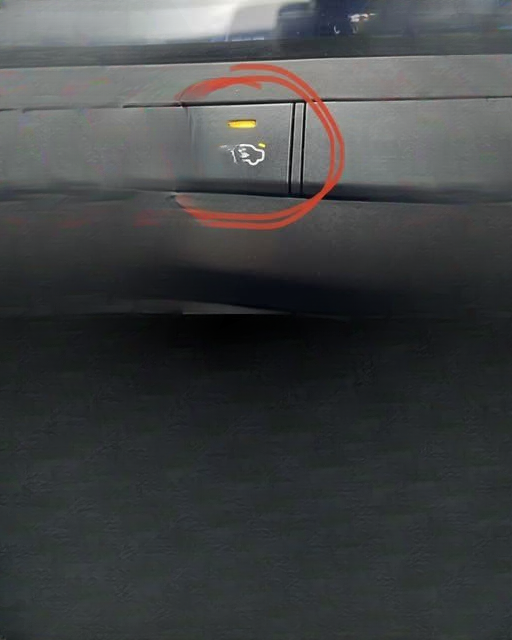
Many people have noticed a small button on their car’s dashboard that shows a vehicle with a looping arrow inside it, but few drivers actually know what it does. This feature controls the air recirculation system, and when used correctly, it can greatly improve comfort inside your car, especially in hot weather, congested traffic, or poor air conditions.
When the recirculation setting is turned off, your vehicle’s climate system continuously pulls air from outside the car. That outside air is filtered, then cooled or heated before being released into the cabin. While this keeps air fresh, it also means the system must constantly adjust to whatever temperature or pollution level exists outside.
When you activate air recirculation, a vent inside the system closes off the outside airflow. Instead of bringing in new air, the system reuses the air already inside the cabin. This creates a sealed circulation loop that allows the climate control system to work more efficiently.
One of the biggest advantages of using recirculation is quicker cooling during warm weather. Because the air inside the car is already cooler than the outside air, the air conditioner can lower the cabin temperature faster while using less energy. This can make summer driving more comfortable and reduce strain on the AC system.
Recirculation mode is also helpful when driving in heavy traffic or polluted environments. It can limit the amount of exhaust fumes, smoke, dust, or strong odors that enter the vehicle. Drivers with allergies or sensitivities often find this setting useful, as it reduces exposure to pollen and airborne irritants.
However, this feature isn’t designed to stay on all the time. In cold or rainy conditions, trapped moisture can build up inside the cabin, leading to fogged windows. For this reason, switching back to fresh air—or using the defrost setting—is usually more effective. During long trips, allowing fresh air to enter periodically can also help keep the cabin feeling comfortable and prevent drowsiness.
To ensure the system works properly, it’s important to maintain a clean cabin air filter. A clogged filter can restrict airflow and reduce air quality regardless of the setting you use. Most vehicles require cabin filter replacement every 12,000 to 15,000 miles, though driving in dusty or polluted areas may require more frequent changes.
In summary, the air recirculation function is a simple but powerful tool. By using it strategically—turning it on in heat, traffic, or poor air quality, and turning it off when fresh airflow is needed—you can enjoy a more comfortable, efficient, and pleasant driving experience.
Understanding how your vehicle’s air recirculation system works can completely change how you experience everyday driving. While it may seem like a small feature compared to modern infotainment screens or advanced safety systems, it plays a major role in comfort, efficiency, and even health inside the cabin. Many drivers use it without thinking, while others avoid it entirely due to confusion. Learning when and why to use it can help you get the most out of your climate control system in every season.
How the System Physically Works Inside Your Car
Behind the dashboard, your vehicle’s ventilation system includes a series of ducts, sensors, and movable flaps. When air recirculation is disabled, one of these flaps remains open, allowing outside air to flow in. When you activate recirculation, that flap closes, sealing off the exterior intake and redirecting cabin air back through the system.
This internal airflow passes through the cabin air filter before being cooled or heated again. Because the system is no longer fighting against extreme outdoor temperatures, it can regulate the interior environment more efficiently. This is especially noticeable in hot climates, where outside air can be significantly warmer than the air already inside the car.
Why Recirculation Improves Cooling Efficiency
On a hot day, your car’s interior can reach dangerously high temperatures within minutes. When you first turn on the air conditioning, the system must work hard to remove heat from the incoming outside air. Using recirculation reduces this burden.
Since the air inside the cabin has already been partially cooled, the AC compressor doesn’t need to work as aggressively. This leads to:
-
Faster temperature drop
-
Reduced energy consumption
-
Less wear on the AC components
Over time, this can contribute to better fuel efficiency, particularly in vehicles where the air conditioning system places a noticeable load on the engine. In electric vehicles, efficient climate control can also help preserve driving range.
Air Quality Benefits in Urban and Highway Driving
Air recirculation is especially valuable in environments where outdoor air quality is compromised. This includes city traffic, construction zones, tunnels, and highways packed with diesel trucks. When fresh air mode is active in these conditions, your car pulls in pollutants such as exhaust particles, smoke, and fine dust.
Switching to recirculation limits the amount of contaminated air entering the cabin. This can make a noticeable difference for:
-
People with asthma or respiratory conditions
-
Drivers sensitive to strong odors
-
Families with children riding in the back seat
While cabin air filters are designed to trap particles, they are not perfect. Reducing the volume of polluted air entering the system lowers the overall exposure and helps the filter perform more effectively.
Seasonal Use: Summer, Winter, and Everything Between
Air recirculation shines in summer, but its usefulness changes as the seasons shift.
During hot weather, recirculation is often the best option once the cabin has cooled down. Many drivers open the windows briefly to release trapped heat, then turn on recirculation for faster cooling.
In winter, however, recirculation requires more caution. Cold air holds less moisture, but when passengers breathe, moisture accumulates inside the cabin. With recirculation active, this moisture has nowhere to escape, increasing the likelihood of foggy windows. For this reason, many vehicles automatically disable recirculation when defrost mode is selected.
In mild weather, alternating between fresh air and recirculation can offer the best balance. Fresh air keeps the cabin feeling open and helps prevent stuffiness, while occasional recirculation improves efficiency.
Long Drives and Driver Alertness
Fresh airflow isn’t just about comfort—it also affects alertness. On extended road trips, a sealed cabin with recirculated air can feel stagnant over time. While modern cars are designed to maintain safe oxygen levels, fresh air can still help drivers feel more awake and refreshed.
For this reason, many experts recommend:
-
Using recirculation during extreme conditions (heat, pollution)
-
Switching to fresh air periodically on long journeys
-
Taking breaks to step outside and reset
Some newer vehicles even automate this process, cycling between modes to balance efficiency and air freshness.
Automatic vs. Manual Climate Control Systems
Vehicles equipped with automatic climate control often manage air recirculation without driver input. Sensors monitor temperature, humidity, and sometimes air quality, adjusting the system as needed. In these cars, the recirculation button may activate a semi-automatic mode rather than locking the system permanently.
In manual systems, the driver has full control. While this allows customization, it also means drivers must be more aware of changing conditions. Forgetting to switch off recirculation in cold or damp weather is a common cause of window fogging.
The Role of the Cabin Air Filter
No matter which mode you use, the cabin air filter plays a critical role. This filter removes dust, pollen, soot, and other airborne particles before air enters the cabin. When the filter becomes clogged, airflow decreases and air quality suffers.
A dirty filter can cause:
-
Reduced cooling or heating performance
-
Musty or unpleasant odors
-
Increased strain on the ventilation system
Replacing the cabin air filter at recommended intervals—typically every 12,000 to 15,000 miles—helps ensure both fresh air and recirculated air remain clean and comfortable. Drivers in polluted or dusty areas may need more frequent replacements.
Common Myths About Air Recirculation
There are several misconceptions surrounding this feature that deserve clarification.
One common myth is that recirculation reduces oxygen levels to unsafe limits. In reality, vehicles are not airtight. Small amounts of outside air still enter through seals and vents, preventing dangerous conditions.
Another misconception is that recirculation should always be on to maximize efficiency. While it does improve cooling performance, constant use can lead to moisture buildup and discomfort depending on weather and driving duration.
Understanding these nuances helps drivers use the feature intelligently rather than avoiding it altogether.
When You Should Avoid Recirculation
There are specific situations where switching off recirculation is the better choice:
-
During window defrosting or heavy rain
-
When the cabin feels humid or stale
-
On long drives where alertness is a concern
-
In cool, dry weather where efficiency gains are minimal
In these cases, fresh air improves comfort and visibility, which are more important than minor efficiency benefits.
Practical Tips for Everyday Use
To make the most of your air recirculation system:
-
Vent hot air by opening windows briefly before turning on AC.
-
Activate recirculation once the cabin begins cooling.
-
Switch to fresh air in rainy or cold conditions.
-
Alternate modes on long trips.
-
Replace your cabin air filter regularly.
These simple habits can significantly improve your driving experience without any added cost.
The Bigger Picture: Comfort, Health, and Efficiency
Modern vehicles are designed to balance comfort and performance, and air recirculation is a key part of that equation. When used thoughtfully, it helps drivers stay cool, breathe cleaner air, and reduce strain on their climate systems.
Rather than being an obscure button ignored on the dashboard, recirculation is a tool that adapts your car to the environment around you. Whether you’re navigating rush-hour traffic, escaping summer heat, or cruising on a quiet highway, understanding this feature allows you to tailor your cabin conditions to your needs.