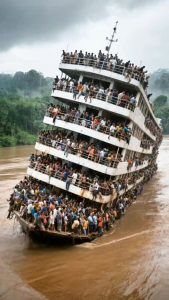
Most boating trips begin with a sense of calm confidence. The sun glints off the water, the vessel feels steady beneath your feet, and danger seems far away. Yet the truth about small-boat accidents is that they rarely announce themselves in dramatic fashion. Most do not begin with panic or chaos—they start with a subtle misstep, a sudden wave, or a brief lapse in attention. In those crucial moments, survival often depends on one fundamental decision made before ever leaving the dock: wearing a lifejacket.
Why Lifejackets Are Non-Negotiable
Drowning remains the leading cause of death in small-vessel accidents worldwide. According to the U.S. Coast Guard, approximately 85% of fatalities in boating incidents involved individuals who were not wearing a lifejacket. In practical terms, that means a simple, wearable piece of equipment often makes the difference between life and death.
Lifejackets are designed to keep your airway above water, conserve energy, and provide flotation long enough for rescue to arrive. They are especially critical in small boats, which are more susceptible to capsizing and swamping due to their size, design, and limited stability.
Understanding Why Small Boats Capesize
Smaller vessels, including canoes, kayaks, rowboats, and small sailboats, are inherently more vulnerable to tipping than larger ships. Several factors contribute to this risk:
-
Rough Waves: Sudden gusts or wakes from nearby boats can destabilize small crafts.
-
Weight Distribution: Even minor shifts in passenger movement can alter a boat’s balance.
-
Overcrowding: Exceeding recommended capacity increases the likelihood of capsizing.
-
Weather Conditions: Sudden storms, high winds, or lightning can quickly turn a calm day into a dangerous situation.
Even boats designed for stability can become hazards if basic safety precautions are ignored. Knowing these vulnerabilities is the first step toward prevention.
Preventing Small-Boat Accidents
Safety begins before you leave the dock. Adopting smart habits can drastically reduce the risk of accidents:
-
Maintain a Low Center of Gravity – Sit or kneel whenever possible, keeping your weight balanced and low. Standing unnecessarily increases the chance of losing balance.
-
Three Points of Contact Rule – Always keep two hands and one foot, or two feet and one hand, in contact with the boat during movement. This stabilizes you against sudden shifts.
-
Approach Waves Head-On – Tackling waves straight on reduces the risk of tipping or swamping. Avoid side angles that can destabilize the vessel.
-
Control Speed in Bad Weather – Reducing speed in choppy water decreases the impact of waves and wake from other boats.
-
Anchor Placement – Never tie anchor lines to the stern; this can lead to swamping if the line catches a wave.
-
Distribute Weight Evenly – Avoid crowding one side; ensure gear and passengers are balanced to maintain stability.
By implementing these habits, boaters dramatically improve the chances of staying safe, even in unexpected conditions.
Responding in an Emergency
Despite careful preparation, accidents can still happen. Quick, calm reactions can save lives.
If Someone Falls Overboard:
-
Stop the Boat Immediately – Engaging the engine can put the person at risk of injury.
-
Throw a Flotation Device – Life rings or throwable cushions provide immediate support.
-
Keep the Person in Sight – Never lose visual contact; it helps rescuers guide them safely back.
-
Turn Off the Engine Before Reboarding – Ensures the person does not come into contact with the propeller.
If the Boat Capsizes:
-
Stay Calm – Panic can cause rapid energy loss and increase risk of drowning.
-
Remain With the Vessel – A floating boat is easier for rescuers to spot than a lone swimmer.
-
Conserve Energy – Avoid unnecessary movement; let your lifejacket do the work.
These basic steps, combined with wearing a lifejacket, create a window of survival that can be critical while awaiting rescue.
Choosing the Right Lifejacket
Not all lifejackets are created equal. Choosing the correct type for your vessel and activity is essential:
-
Type I: Offshore Life Jackets – Designed for rough waters; provide maximum buoyancy and help turn unconscious wearers face-up.
-
Type II: Near-Shore Vests – Suitable for calm waters; less bulky but still effective for flotation.
-
Type III: Flotation Aids – Comfortable for active use, ideal for kayaking, canoeing, and sailing.
-
Type V: Special-Use Devices – Includes hybrid lifejackets for specific activities like windsurfing or water skiing.
Always ensure your lifejacket fits properly. An ill-fitting jacket can ride up or fail to provide adequate support in emergencies. Inspect for wear and tear regularly, and replace damaged equipment.
Real-Life Stories That Highlight Lifejacket Importance
Consider the story of a small sailing trip that turned perilous when sudden wind gusts capsized a 12-foot sailboat. Two passengers were thrown into the water. The person wearing a lifejacket stayed afloat, calm, and visible to rescuers, while the other struggled to stay above water and suffered exhaustion before being pulled to safety. This real-life incident underscores a fundamental truth: lifejackets buy time, conserve energy, and save lives.
Another case involved a kayaking group caught in unexpected rip currents. Paddlers without flotation devices quickly became fatigued, leading to panic and potential drowning. Those wearing lifejackets remained afloat, signaling for help and avoiding serious injury.
The Role of Alcohol and Fatigue
Even the most experienced boaters are not immune to risk factors like alcohol or exhaustion. Studies indicate that alcohol is a factor in nearly 20% of boating fatalities, often impairing judgment and delaying reaction times.
Fatigue also compromises decision-making and motor skills, making simple maneuvers more difficult. Always avoid alcohol before or during boating and ensure that everyone on board is alert and well-rested.
Emergency Equipment Beyond Lifejackets
While lifejackets are the single most effective safety tool, other equipment is vital:
-
Throwable Devices: Rings or cushions to assist overboard passengers.
-
Whistles and Flares: For signaling rescuers in low visibility or remote areas.
-
Fire Extinguisher: Fires on boats, though rare, can be catastrophic.
-
First-Aid Kit: Immediate treatment for injuries prevents complications before professional care arrives.
-
Communication Tools: VHF radios or mobile phones in waterproof cases ensure contact with emergency services.
Education and Training
Knowledge and preparation are as important as equipment. Boaters should familiarize themselves with local regulations, practice capsizing drills, and take safety courses. Boating safety classes often teach essential skills, including man-overboard procedures, navigation basics, and emergency signaling techniques.
Many local authorities offer free or low-cost courses, which not only enhance personal safety but may reduce insurance costs for vessel owners.
Children and Lifejackets
Children are especially vulnerable in small-boat incidents. Always ensure:
-
Lifejackets are child-sized and properly fastened.
-
Children are supervised at all times.
-
Emergency plans are discussed in child-friendly language.
Even short trips in calm water pose risks to young passengers, emphasizing that safety cannot be compromised for convenience.
Environmental Awareness
Understanding your environment is crucial. Factors like weather, currents, tides, and obstacles affect boat stability. Before departure:
-
Check weather forecasts.
-
Avoid boating in high winds or during storms.
-
Monitor water conditions, especially in rivers or coastal areas.
-
Inform someone onshore about your trip plan.
Situational awareness complements lifejackets, allowing boaters to avoid preventable accidents.
Conclusion
Small-boat accidents happen in seconds, often without warning. Panic is a poor companion; preparation and proper safety measures are key. A lifejacket is not just gear—it is a lifeline, providing flotation, conserving energy, and increasing the chances of rescue.
By combining proper equipment, attentive handling, situational awareness, and calm responses, boaters can drastically reduce fatalities and injuries. Remember: the decision to wear a lifejacket before leaving the dock is the single most effective step you can take to turn a potential tragedy into a survivable event.
Whether you are sailing, kayaking, or enjoying a quiet day on a small motorboat, your lifejacket is non-negotiable. Its simple presence transforms vulnerability into protection and ensures that every boating adventure ends with the safety of all passengers intact.