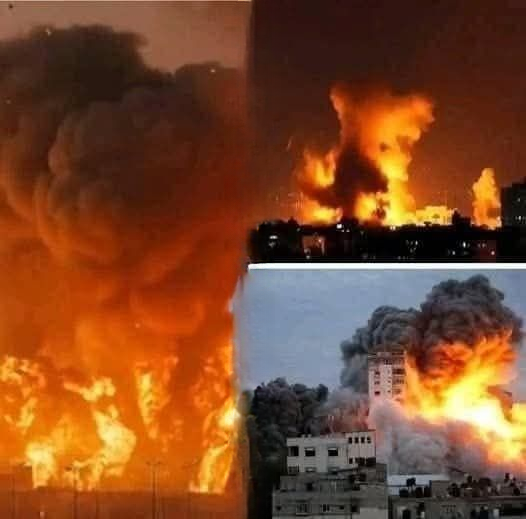
What began as an ordinary Saturday afternoon in the Pamplona Alta sector of San Juan de Miraflores, a densely populated district in Lima, Peru, quickly transformed into one of the most alarming local emergencies the area has faced in recent years. By late afternoon, giant plumes of smoke towered over the hillside community, visible from kilometers away, signaling the unfolding of a major residential fire that spread with stunning speed.
As firefighters rushed to the scene and neighbors attempted to help one another escape the fast-moving flames, the streets of this tight-knit district filled with panic, desperation, and confusion. Within minutes, the fire leapt from one makeshift home to another, consuming entire rows of structures as families grabbed what little they could carry.
When the first formal reports began to emerge, the scale of the disaster slowly became clear: dozens—possibly well over a hundred—homes had been affected, and hundreds of residents had been left without shelter. Authorities worked through the evening to contain the blaze, assess damage, and determine how to support the affected families, many of whom lost everything in the span of a single hour.
This is a detailed account of the event, its aftermath, and the broader issues it highlights for vulnerable communities living in high-risk zones.
A Fire That Grew Faster Than Anyone Expected
Residents described the moment the fire began as sudden and disorienting. Several witnesses said they had only minutes, sometimes seconds, to react before smoke and flames engulfed their homes.
Pamplona Alta, located in the upper slopes of San Juan de Miraflores, is known for its steep terrain, narrow pathways, and dense clusters of improvised housing made from wood, plywood, plastic sheets, and other flammable materials. These conditions created what firefighters later described as a “critical risk environment,” where a single spark could rapidly ignite dozens of homes.
In this case, the fire behaved exactly as professionals feared. Once flames ignited the first structure, heat and wind caused the blaze to spread horizontally across rooftops and vertically up the hillside.
Local fire brigades, supported by volunteer groups and residents, battled the flames under challenging conditions. The narrow streets made it difficult for emergency vehicles to reach certain areas, forcing firefighters to carry heavy equipment by hand. Volunteers joined them, forming bucket lines, clearing pathways, and helping elderly residents evacuate.
Despite these obstacles, firefighters managed to confine the fire by late afternoon, preventing it from advancing to adjacent sectors. Their ability to halt the blaze likely spared dozens more homes and prevented casualties.
The Extent of the Damage
While official assessments continued into the evening and following day, early estimates from firefighters and civil defense teams suggested that between 40 and 120 homes had been affected. The number fluctuated depending on how “affected” was defined — for example, some homes were completely destroyed, others partially scorched, and some damaged by heat, water, or falling debris.
Authorities emphasized that exact numbers would emerge after a full sweep of the area. Regardless of the final tally, what remained clear was that hundreds of residents had suffered significant losses, with many left displaced and in need of urgent assistance.
Families gathered in open spaces and makeshift shelters set up near the affected blocks. Some sat on mattresses that volunteers had brought, while others stood clutching bags filled with whatever belongings they had managed to salvage — shoes, baby clothing, important documents, school supplies.
Children were visibly shaken, some crying, others clinging to their parents. The overwhelming heat, the noise of collapsing structures, and the sight of homes burning had left a deep emotional impact.
A Possible Illegal Fireworks Workshop: Key to the Investigation
Among the most significant early findings came from local officials and firefighters who reviewed the pattern of the fire. Initial reports suggested that the fire may have reached — or originated from — a clandestine pyrotechnics storage area located within the affected community.
Small explosions captured in videos taken by residents added weight to this theory. The bursts of light and sound appeared consistent with fireworks or explosive materials igniting under extreme heat.
Authorities noted that illegal fireworks workshops are unfortunately common in some densely populated areas, often due to the lack of formal regulation, high local demand during holidays, and the income such operations generate for low-income households.
Investigators are now treating the suspected workshop as a primary focus point. They will analyze:
-
whether the workshop was active or simply storing materials
-
how much explosive material was present
-
whether negligence or unsafe storage practices contributed
-
whether the workshop was connected to any larger supply networks
Officials emphasized that no conclusions would be made until a full forensic analysis is completed. Still, the presence of explosive materials in a highly populated residential zone raises concerns for public safety and regulatory oversight.
The Community Response: Shock, Solidarity, and Immediate Action
As news spread of the fire, neighboring residents rushed to help. Dozens volunteered to bring water, food, and blankets. Local businesses donated supplies, while community leaders coordinated shelters in schoolyards and plazas.
Many residents, even those who had not been directly affected, spent hours assisting families in distress. They helped carry elderly individuals to safety, comforted children, and offered temporary shelter in their homes.
One young volunteer described the scene:
“People didn’t think twice. Everyone helped. We were scared, but we couldn’t leave our neighbors behind.”
Several organizations, including municipal teams, emergency response units, church groups, and nonprofits, mobilized within hours to distribute:
-
water
-
food baskets
-
hygiene kits
-
temporary bedding
-
medical care
-
psychological support
Social workers conducted interviews to identify families requiring immediate relocation or additional resources.
Authorities Move Into Action
Local and regional government offices coordinated with firefighters and police to secure the area and begin recovery operations. Their main objectives included:
-
Ensuring all hotspots were fully extinguished
-
Preventing unauthorized access due to weakened structures
-
Identifying residents in urgent need
-
Evaluating the structural integrity of homes near the burned zone
-
Beginning the formal investigation into the fire’s origin
-
Coordinating humanitarian aid with NGOs and public agencies
Officials urged the public to avoid speculation about what caused the fire until the investigation is complete. Public statements reinforced the importance of patience, accuracy, and transparency.
The Human Stories Behind the Tragedy
Although statistics help measure the scale of the disaster, they reveal little about the emotional and human weight carried by the affected residents. Many families in Pamplona Alta have lived in these communities for decades, often building their homes through personal sacrifice and hard-earned savings.
Residents shared stories of losing not only physical structures but cherished memories — family photos, inherited items, school projects, and hand-built furniture.
One resident said:
“We can rebuild a house. What hurts is losing what cannot be replaced — the things that held our history.”
Another described fleeing with her children while the fire closed in behind them.
“I felt the heat at my back. I didn’t think we would make it. But we ran. We had no choice.”
For many families, the most difficult part will not be rebuilding the physical home, but recovering emotionally from the trauma.
Living in High-Risk Zones: A Broader Issue in Lima
This fire once again highlights the vulnerability of hillside communities in Lima, where rapid urban growth, limited planning, and socioeconomic pressures have created densely packed settlements with elevated risks, including:
-
fires
-
landslides
-
limited access to emergency vehicles
-
structural instability
-
exposed electrical wiring
-
illegal workshops or storage
Urban development experts note that long-term solutions require:
-
accessible and affordable formal housing
-
improved infrastructure
-
community education on risk prevention
-
stricter regulation of hazardous materials
-
strategic relocation programs where necessary
Pamplona Alta is one of many sectors facing such challenges.
Emergency Shelters and the Road to Recovery
By Saturday evening, emergency shelters were set up at community centers and local schools. Authorities distributed tents, mattresses, and hygiene kits. Psychologists were on-site to help children process the traumatic experience.
Government offices announced a plan to provide:
-
temporary financial assistance
-
relocation support
-
identity document recovery
-
access to food programs
-
coordination with construction support programs
For now, many families are focused on the essentials: safety, food, shelter, and the hope of rebuilding.
Investigators Continue Their Work
The formal investigation will likely take several days or weeks, depending on the complexity of the damage and the need to interview witnesses. Authorities will examine:
-
electrical wiring
-
structural damage
-
potential accelerants
-
evidence of fireworks materials
-
testimonies from residents
-
video recordings captured by citizens
Officials stated that if illegal fireworks operations were indeed involved, those responsible may face significant penalties, particularly if negligence contributed to the scale of destruction.
A Community United by Loss—and Determination
Despite the enormous loss, residents of Pamplona Alta have shown remarkable resilience and unity. Neighbors who lost everything are supported by those who still have homes. Volunteers continue to bring supplies. Community leaders are organizing donation campaigns.
For many residents, this tragedy has also sparked discussions about safety, preparedness, and the changes needed to prevent future disasters.
As one resident expressed:
“We are hurting, yes. But we are together. That is how we will move forward.”
Final Thoughts
The fire in Pamplona Alta has left a deep mark on San Juan de Miraflores—physically, emotionally, and socially. While the investigation continues, the community is focused on healing and rebuilding. This tragedy underscores broader challenges related to informal housing, emergency preparedness, and the risks posed by unregulated activities in high-density areas.
As authorities assess damage and coordinate support, countless families begin the long journey toward recovery. Their resilience, paired with community solidarity, will shape the path ahead.