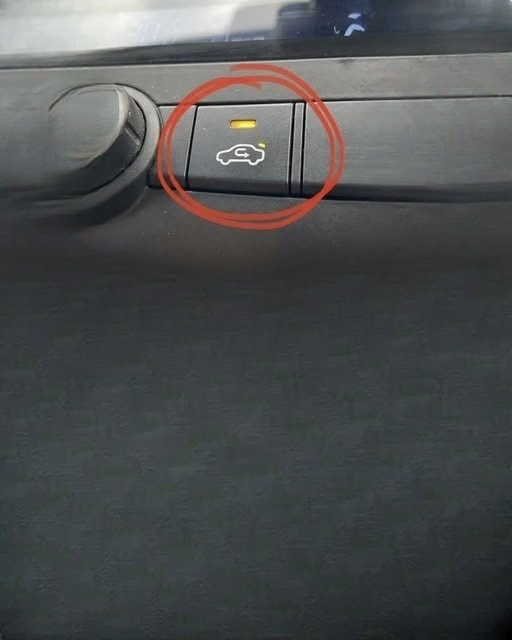
Navigating Your Dashboard: What the Air Recirculation Button Actually Does
Modern vehicles are equipped with a dizzying array of buttons and touchscreens, but one of the most vital for your daily comfort is often the most misunderstood: the Air Recirculation Button. Typically represented by an icon of a car with a “U-turn” arrow inside it, this feature is far more than just a secondary AC setting. It is a tool for managing air quality, thermal efficiency, and even your vehicle’s fuel consumption.
Understanding how and when to engage this system—and, perhaps more importantly, when to turn it off—can significantly enhance your driving experience.
Part I: The Mechanics of Airflow
To understand recirculation, we must first look at how your car’s HVAC (Heating, Ventilation, and Air Conditioning) system works. By default, most cars are set to “Fresh Air” mode. In this state, the system pulls in air from the outside (usually through vents near the base of the windshield), filters it, cools or heats it, and pushes it into the cabin.
When you press the Recirculation Button, a flap closes the intake from the outside world. The blower motor then pulls the air already present in the cabin back through the system.
Why Recirculate?
-
Rapid Cooling: On a scorching summer day, the air outside might be 35°C, while the air inside your cabin (after the AC has been running) might be 22°C. It is much easier and faster for the AC system to cool the 22°C air further than to start from scratch with the hot outside air.
-
Environmental Protection: If you are driving behind a diesel truck or passing through a dusty construction zone, the fresh air mode will pull those particles and odors into your lungs. Recirculation creates a “closed-loop” environment, keeping pollutants out.
-
Fuel Efficiency: Because the AC compressor doesn’t have to work as hard to maintain a cool temperature, the engine experiences less load, which can lead to a slight improvement in your kilometers-per-liter.
Part II: When to Use the Recirculation Button
1. In Extreme Heat
When you first get into a hot car, the best strategy is to drive for a minute with the windows down and the AC on “Fresh Air” to push the superheated air out. Once the interior temperature has dropped slightly, roll up the windows and hit the Recirculation Button. This will help the cabin reach a “meat locker” chill much faster.
2. In Heavy Traffic or Tunnels
When you are idling in a traffic jam, you are essentially sitting in a cloud of other vehicles’ exhaust. Switching to recirculation prevents carbon monoxide and nitrogen oxides from entering your breathing space.
3. High Pollen or Dust Days
For allergy sufferers, the recirculation button is a lifesaver. While your car has a cabin air filter, keeping the system closed ensures that fewer allergens bypass the seals or overtax the filter during peak pollen seasons.
Part III: When to Turn It OFF (The Risks of Constant Use)
While the benefits are clear, leaving air recirculation on indefinitely can lead to several issues.
1. The “Stale Air” Effect
In a closed loop, the oxygen levels in the car slowly decrease while carbon dioxide () levels increase as passengers breathe. This can lead to drowsiness, headaches, and reduced reaction times over long trips. Most modern cars have a sensor that will automatically switch back to fresh air after a certain period for this very reason.
2. Winter Fogging and Moisture
In cold or rainy weather, your breath adds moisture to the cabin air. If you use recirculation in the winter, that moisture has nowhere to go. It will quickly condense on the cold glass, creating a thick fog that obscures your vision.
-
Pro Tip: If your windows are fogging up, turn off recirculation immediately and switch to the Defrost setting.
3. Odor Trapping
If someone eats a pungent meal in the car while recirculation is on, those odors will be pulled through the upholstery and the HVAC system repeatedly, making it much harder to get the “new car smell” back.
Part IV: Health and Wellness – Leg Health During Long Drives
Just as we manage the “circulation” of air inside our vehicles, we must also be mindful of the circulation within our own bodies, especially during long road trips. A common concern for frequent drivers is the appearance of purple or blue veins on the legs.
If You Have Purple Veins on Your Legs, It Means You Are…
If you notice dark, branching lines (spider veins) or bulging vessels (varicose veins) after long stints behind the wheel, your body is sending you a signal about Venous Insufficiency.
1. The Gravity of the Situation
Sitting in a car seat for hours at a time causes blood to pool in the lower extremities. Your leg veins have one-way valves that work to push blood back to your heart. When you are sedentary, these valves have to work extra hard against gravity.
2. What the Color Indicates
The purple or blue hue is caused by deoxygenated blood. When blood stays stagnant in the vein, it loses its oxygen and darkens. If the vein walls are stretched or the skin is thin, this dark color becomes visible.
3. Road Trip Recovery Tips
To keep your own “recirculation” system healthy while traveling:
-
The 2-Hour Rule: Stop every two hours to walk for five minutes. This engages the calf muscles, which act as a “second heart” to pump blood upward.
-
Ankle Pumps: While using cruise control (and only if safe), flex your ankles up and down to keep blood moving.
-
Stay Hydrated: Drinking water improves blood viscosity, making it easier for your heart to move it through your system.
Conclusion: Mastering Your Environment
The air recirculation button is a small but mighty tool in your automotive arsenal. By using it strategically—engaging it for cooling and pollution protection, but disengaging it to prevent drowsiness and window fogging—you ensure a safer and more comfortable ride.
Whether you are managing the air in your cabin or the blood flow in your legs, the secret to longevity and comfort is movement and balance. Next time you see that little circular arrow, you’ll know exactly how to make it work for you.