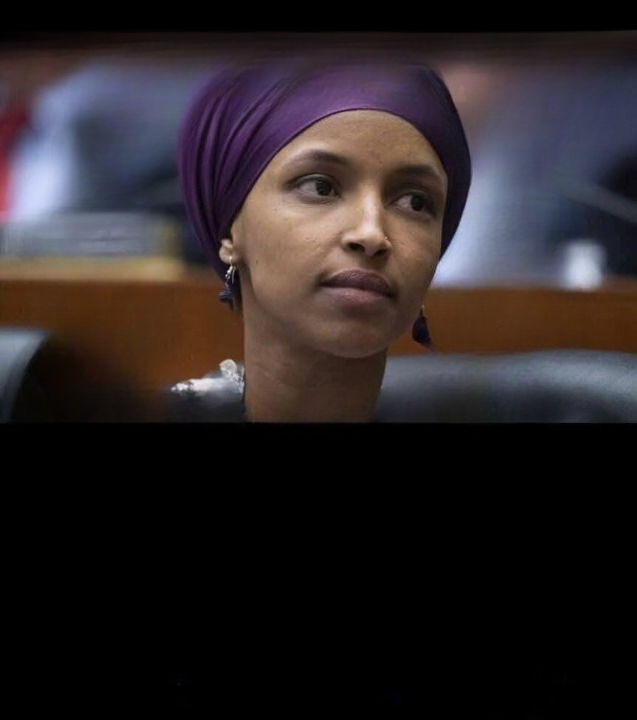
Recent news coverage has focused on a series of claims made by a watchdog organization regarding Minnesota Representative Ilhan Omar and her personal student loan obligations. These reports surfaced after the American Accountability Foundation (AAF), a group known for filing ethics complaints against public officials, released a letter expressing concerns about her financial disclosures.
What the Watchdog Organization Claims
According to the group:
-
Rep. Omar’s financial disclosures list between $15,001 and $50,000 in federal student loan debt.
-
The organization alleges that these loans may be in collection or past due.
-
AAF expressed concern that a sitting member of Congress — with a salary of $174,000 — could have outstanding federal student loan obligations.
-
They assert that if any loan were to enter default, taxpayers could ultimately be responsible because the loans are federally guaranteed.
-
The organization also claimed, without publicly released evidence, that Rep. Omar may have contacted federal agencies regarding her loan status.
Because of this, they filed a Freedom of Information Act (FOIA) request to obtain any correspondence between her office and the Department of Education.
These points are allegations, not verified findings.
The Watchdog’s Requested Action
In a highly unusual move, the group urged the Speaker of the House to:
-
Withhold Omar’s congressional salary
-
Automatically apply it toward her loan servicer until any alleged delinquency is resolved
This request represents a nonstandard and unprecedented recommendation, and nothing indicates Congress plans to act on it.
Context and Background
Rep. Omar has been a notable supporter of nationwide student loan forgiveness, framing the issue as part of broader economic reform. Her political stance includes:
-
Full cancelation of federal student loans
-
Reducing long-term debt burdens on low-income and middle-income Americans
-
Addressing rising educational costs
Because of her advocacy, critics argue these allegations raise potential conflict-of-interest concerns. Supporters counter that:
-
Advocacy for policy changes does not imply personal wrongdoing
-
Many lawmakers across political parties hold student loan debt
-
Financial disclosure forms are transparent by design, enabling public review
Her Office’s Response
As of the most recent reporting, Rep. Omar’s office has not issued a public statement directly addressing the specific allegations included in the watchdog group’s letter. Without comment or additional documentation, many details remain unconfirmed.
Understanding Financial Disclosures
Members of Congress must file annual reports that include:
-
Income
-
Assets
-
Liabilities
-
Relevant financial interests
These ranges do not provide exact numbers, and loan balances can vary throughout the year.
A loan listed as a liability does not automatically mean delinquency or default.
Previous Financial Scrutiny
Rep. Omar’s past disclosures have been examined by analysts and news outlets before. Some reports have noted:
-
Growth in disclosed assets
-
Increases in personal liabilities, including credit card balances and student loans
These public forms are intended to allow constituents to understand lawmakers’ financial circumstances, while respecting privacy boundaries.
Why This Story Matters Publicly
The situation has prompted discussion about:
1. Transparency and Ethics
Citizens expect elected officials to manage finances responsibly and follow the same rules as other borrowers.
2. Student Loan Policy
The story intersects with ongoing debates about:
-
loan forgiveness
-
federal loan servicing
-
rising education costs
3. Fairness in Political Scrutiny
Critics of AAF argue their actions specifically target political opponents, while supporters insist watchdogs serve an important oversight role.
What Happens Next?
Several outcomes are possible:
-
The House Speaker may decline the group’s request
-
The watchdog organization may release results from its FOIA request
-
Rep. Omar’s office may publicly clarify her loan status
-
The matter may remain a political dispute without formal action
At this stage, no official government entity has confirmed wrongdoing.
Potential Political and Public Repercussions
Even without formal confirmation of wrongdoing, stories like this often spark broader public debate. In this case, the allegations have drawn attention not only to Rep. Omar’s personal finances but also to larger issues surrounding student loan policy, transparency, and congressional ethics.
One potential outcome is heightened scrutiny from both the media and constituents. Members of Congress frequently face questions about their financial obligations, particularly when their personal experiences intersect with their policy positions. For Rep. Omar, who has been an advocate for widespread student loan forgiveness, the story raises perceived conflicts of interest in the eyes of some observers. Even if all actions are lawful, public perception can influence political capital, voter trust, and legislative influence.
At the same time, such coverage can reinforce discussions about fairness and consistency in political oversight. Analysts note that many lawmakers carry student loan debt, mortgages, or other financial obligations that might also draw scrutiny if examined under the same lens. This highlights an ongoing tension between legitimate transparency efforts and the potential for politically motivated targeting.
The Role of Watchdog Organizations
Groups like the American Accountability Foundation (AAF) operate with the stated goal of promoting government transparency and accountability. They file complaints, conduct financial analyses, and occasionally request formal investigations to ensure elected officials comply with ethical and legal obligations.
However, watchdog activities are not without controversy. Critics argue that some organizations disproportionately target politicians of a particular party or ideology, creating a narrative of bias rather than objective oversight. In Omar’s case, the timing of the letter and the focus on her student loans have led to discussions about whether the intent is truly accountability or political leverage.
Nonetheless, watchdogs play a role in raising awareness about financial management among public officials. Even if no legal action follows, these reports prompt lawmakers to clarify, update, or publicly address issues that could otherwise remain obscure, strengthening transparency in the legislative branch.
Broader Implications for Student Loan Policy
The story also reignites national conversations about student loans. With millions of Americans holding federally backed debt, any high-profile case involving a lawmaker naturally becomes a focal point for broader policy debates. Experts highlight several considerations:
-
Repayment Challenges – Many borrowers, regardless of income, struggle to manage debt, emphasizing the need for accessible repayment programs and financial literacy initiatives.
-
Loan Forgiveness Debate – Omar’s advocacy for federal loan forgiveness positions her within a broader discussion about economic justice, debt relief, and long-term educational financing. Questions about personal debt can unintentionally affect the public perception of her policy positions.
-
Transparency and Fairness – Highlighting individual cases like this encourages the public to examine both the personal responsibility of borrowers and the structures in place for managing federal debt.
By framing the conversation around these issues, the story transcends the personal narrative and sparks a national discussion about debt management and policy implementation.
Navigating Public Perception
Even without formal investigations, the court of public opinion can have tangible effects on a political career. Constituents often view financial responsibility as a proxy for trustworthiness, while opponents may use any perceived misstep as a critique of judgment or ethics.
For lawmakers, responding to allegations—whether through public statements, disclosure updates, or policy clarifications—can help mitigate reputational risk. In Omar’s situation, an official response from her office could address questions, provide context about her repayment efforts, or clarify her interactions with federal agencies. Doing so may reinforce public confidence, even amid ongoing scrutiny.
Media coverage also plays a significant role in shaping narratives. Balanced reporting that emphasizes verified facts and distinguishes allegations from confirmed information is crucial to ensuring the public receives accurate context. Sensationalized coverage, on the other hand, can exaggerate perceptions of wrongdoing, highlighting the importance of responsible journalism in politically sensitive stories.
Congressional Protocols and Oversight
The House of Representatives has established procedures to ensure ethical and financial compliance among its members. While the watchdog organization has requested a unique measure—impounding a member’s salary to cover student loans—there is no precedent for such an action.
Typically, congressional oversight involves:
-
Annual financial disclosures reviewed by the House Ethics Committee
-
Public reporting of assets and liabilities
-
Recusal or disclosure if a personal financial interest intersects with legislative decisions
Any deviation from these established norms would require extraordinary measures and likely a detailed investigation by internal committees or federal authorities.
Lessons for Public Accountability
This story illustrates the complex intersection of personal finance, public office, and policy advocacy. Key takeaways for constituents, policymakers, and the public include:
-
Transparency Matters – Financial disclosures allow citizens to evaluate potential conflicts of interest.
-
Policy vs. Personal Circumstance – Advocating for broad policy reforms does not automatically imply misuse of personal resources, but transparency ensures credibility.
-
The Role of Public Dialogue – Discussions about ethics, accountability, and policy help strengthen democratic processes and maintain trust in government institutions.
-
Critical Examination of Sources – While watchdog reports can highlight concerns, it is important to differentiate verified information from allegations or politically motivated claims.
Potential Next Steps
Looking forward, several paths could emerge:
-
The House Ethics Committee could review the financial disclosures for compliance, though current reporting does not indicate formal action.
-
Rep. Omar’s office may issue a public statement or provide additional documentation regarding her loan repayment status.
-
The watchdog group may publish updates or FOIA findings, shedding more light on the situation.
-
Public dialogue may continue around the broader implications for student loan policy, particularly as lawmakers advocate for changes that impact millions of Americans.
Even if no formal action is taken, the story reinforces the importance of personal accountability and ethical standards in public office. It also demonstrates how individual financial circumstances can intersect with policy positions, sparking discussion and informing public understanding.
The Broader Context: Financial Transparency in Politics
Rep. Omar’s case is part of a larger trend where lawmakers’ personal finances receive scrutiny. Financial transparency in politics serves several purposes:
-
Building Public Trust – Citizens need confidence that elected officials manage their finances responsibly.
-
Highlighting Systemic Issues – Student debt is a nationwide challenge affecting millions, and high-profile cases help illustrate the stakes.
-
Ensuring Fair Policy Advocacy – Transparency allows voters to assess whether advocacy aligns with personal experience and financial behavior.
Historically, similar situations have occurred with politicians from both parties, reinforcing the principle that financial accountability is nonpartisan.
Conclusion: Transparency, Accountability, and Public Trust
At this stage, the allegations concerning Rep. Ilhan Omar remain unverified, and no official government body has confirmed wrongdoing. However, the story highlights the broader importance of:
-
Ethical oversight for public officials
-
Clear financial disclosure practices
-
Public education about student loans and debt management
-
Critical evaluation of watchdog claims and media reports
Ultimately, while the narrative focuses on a single lawmaker, the lessons extend to all public servants and citizens alike. Financial transparency, accountability, and responsible communication are essential to maintaining trust in government institutions and ensuring that public policy debates remain grounded in fact and fairness.
This ongoing story demonstrates how personal finance, policy advocacy, and public perception intersect in modern politics, emphasizing that transparency is not merely a procedural requirement but a cornerstone of public trust.