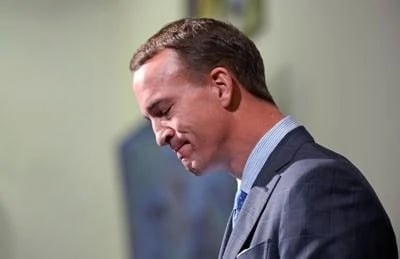
Peyton Manning stands as one of the most influential figures in the history of American football. Known for his extraordinary intelligence on the field, meticulous preparation, and unmatched leadership, Manning’s name is synonymous with excellence at the quarterback position. Over the course of a remarkable career spanning nearly two decades, he redefined how the game is played, studied, and understood, leaving a permanent imprint on the National Football League and sports culture as a whole.
Even years after his retirement, Peyton Manning continues to shape conversations around football. Whether through his media appearances, philanthropic work, or the countless quarterbacks who model their play after him, his influence remains deeply woven into the fabric of the sport. Fans, analysts, and former players alike continue to celebrate his achievements, not just for the records he broke, but for the standard he set.
Early Life and Football Roots
Peyton Williams Manning was born on March 24, 1976, into a family already deeply connected to football. His father, Archie Manning, was a respected NFL quarterback who played primarily with the New Orleans Saints. Growing up in a football household meant Peyton was exposed to the game from an early age, learning not just how to throw a ball, but how to read defenses, understand strategy, and respect the responsibilities of leadership.
Alongside his brothers Cooper and Eli, Peyton spent countless hours practicing, studying plays, and absorbing lessons that would later define his professional career. While many young athletes rely on raw talent alone, Manning developed a reputation early on for pairing physical skill with mental discipline. This combination would become his trademark.
College Career at the University of Tennessee
Peyton Manning’s college career at the University of Tennessee cemented his status as a future NFL star. As the Volunteers’ quarterback, he demonstrated poise, consistency, and an advanced understanding of the game rarely seen at the collegiate level. His ability to command the offense, make adjustments at the line of scrimmage, and deliver precise passes set him apart from his peers.
Although he did not win a national championship during his time at Tennessee, Manning earned numerous accolades, including All-American honors and the Maxwell Award. Perhaps more importantly, he gained the respect of teammates and coaches who recognized his leadership qualities and tireless work ethic. By the time he declared for the NFL Draft, there was little doubt that he was prepared for the professional stage.
Entering the NFL and Early Challenges
Selected first overall by the Indianapolis Colts in the 1998 NFL Draft, Peyton Manning entered the league with immense expectations. The Colts were a struggling franchise at the time, and many viewed Manning as the cornerstone of a long-term rebuild. His rookie season included its share of growing pains, including a high number of interceptions, but those early struggles masked the foundation he was building.
Rather than being discouraged, Manning approached adversity as an opportunity to learn. He spent countless hours reviewing film, studying opposing defenses, and refining his technique. This dedication paid off quickly. By his second season, he had already begun transforming the Colts into a competitive team.
Transforming the Indianapolis Colts
Peyton Manning’s tenure with the Indianapolis Colts marked one of the most successful periods in franchise history. Under his leadership, the team became a perennial playoff contender, known for its high-powered offense and disciplined execution. Manning’s command at the line of scrimmage was unparalleled. His ability to read defenses and adjust plays before the snap revolutionized how quarterbacks approached the position.
The now-famous “Omaha” audible became a symbol of his football intelligence. It wasn’t just a word; it represented his control over the game and his deep understanding of defensive schemes. Opposing teams often struggled to keep up, as Manning seemed to anticipate their moves before they happened.
Record-Breaking Achievements and MVP Seasons
Throughout his career, Peyton Manning amassed an extraordinary list of records and achievements. He won multiple NFL Most Valuable Player awards, a testament to his consistent excellence and impact on the game. Season after season, he posted impressive passing yards, touchdown totals, and completion percentages.
Manning’s records were not the result of flashy play alone. They were built on preparation, precision, and an unwavering commitment to improvement. He elevated the performance of those around him, turning wide receivers, tight ends, and running backs into key contributors within his system.
Super Bowl Success and Defining Moments
While individual accolades are impressive, team success ultimately defines a quarterback’s legacy. Peyton Manning reached the pinnacle of the sport by winning two Super Bowl championships with two different franchises, a rare and remarkable achievement. His first Super Bowl victory with the Colts was particularly meaningful, as it validated years of effort and silenced critics who questioned whether he could win on the biggest stage.
Later in his career, Manning achieved another Super Bowl win with the Denver Broncos, showcasing his resilience and adaptability. Even as physical challenges emerged, his football intelligence and leadership allowed him to guide his team to success.
The Denver Broncos Era and a Historic Comeback
After undergoing serious neck surgeries that threatened his career, many wondered if Peyton Manning would ever return to elite form. His decision to join the Denver Broncos marked a new chapter filled with uncertainty. What followed, however, was one of the most impressive comebacks in sports history.
With the Broncos, Manning delivered record-setting performances, including a season that redefined offensive production. His ability to overcome adversity and excel at the highest level further solidified his reputation as one of the greatest quarterbacks of all time.
Leadership Beyond Statistics
What truly set Peyton Manning apart was his leadership. Teammates often spoke of his accountability, preparation, and ability to inspire confidence. He demanded excellence, not through intimidation, but through example. Practices were intense, film sessions were detailed, and expectations were clear.
Manning understood that leadership extended beyond the field. He built strong relationships with teammates, coaches, and staff, creating a culture of trust and mutual respect. This environment allowed teams to perform at their best under pressure.
Influence on Modern Quarterbacks
The modern NFL quarterback owes much to Peyton Manning’s influence. Today’s emphasis on pre-snap reads, audible systems, and quarterback autonomy reflects the blueprint he helped popularize. Many current players openly credit Manning as a role model, studying his film and adopting his methods.
His approach demonstrated that mental preparation is just as important as physical ability. Young quarterbacks are now encouraged to understand the game at a deeper level, a philosophy that traces directly back to Manning’s career.
Media Career and the ManningCast
Following his retirement, Peyton Manning transitioned seamlessly into media and broadcasting. The “ManningCast,” co-hosted with his brother Eli, offered fans a unique and entertaining way to experience football games. Blending expert analysis with humor and candid conversation, the show quickly became popular among fans seeking insight without traditional commentary.
This venture highlighted another aspect of Manning’s personality: his wit and relatability. He proved that his connection with fans extended well beyond the field.
Philanthropy and Community Impact
Beyond football, Peyton Manning has dedicated significant time and resources to philanthropy. Through the PeyBack Foundation and other charitable efforts, he has supported programs focused on education, health, and opportunities for young people. His commitment to giving back reflects values instilled in him from an early age.
Manning’s philanthropic work demonstrates that his legacy is not limited to sports. He has used his platform to make a meaningful difference in communities across the country.
Cultural Impact and Popularity
Peyton Manning’s influence extends into popular culture. His appearances on television shows, commercials, and live events have showcased his personality and sense of humor. These moments helped humanize a superstar athlete and made him accessible to fans who may not even follow football closely.
His Saturday night television appearances and widely recognized advertisements became cultural touchstones, further expanding his reach beyond the NFL.
Retirement and Reflection
When Peyton Manning officially retired from professional football, the announcement marked the end of an era. His career statistics, championships, and awards placed him firmly among the greatest players in NFL history. Yet, retirement did not diminish his presence in the sport.
Instead, it allowed fans and analysts to reflect on the full scope of his contributions. Discussions about the greatest quarterbacks often include his name at or near the top, a testament to the respect he earned throughout his career.
Honors and Recognition
Manning’s induction into the Pro Football Hall of Fame was a fitting recognition of his achievements. The honor celebrated not only his performance but also his impact on the evolution of the game. Speeches and tributes emphasized his preparation, leadership, and influence on generations of players.
These accolades serve as lasting reminders of what he accomplished and why his career remains a benchmark for excellence.
A Lasting Legacy
Peyton Manning’s legacy is defined by more than wins and records. It is defined by how he approached the game, how he treated teammates, and how he elevated the quarterback position to an art form. His influence continues to be felt every Sunday, in every audible called and every defense dissected at the line of scrimmage.
For fans, Peyton Manning represents the best of football: intelligence, competitiveness, resilience, and integrity. His story is one of preparation meeting opportunity, of perseverance through adversity, and of excellence sustained over time.
Conclusion
Peyton Manning remains a towering figure in the history of the NFL. From his early days learning the game to his record-breaking professional career and impactful life after football, he has left an indelible mark on sports and culture. His journey serves as inspiration not only to athletes but to anyone striving for greatness through dedication and discipline.
As football continues to evolve, the principles Peyton Manning embodied will remain relevant. His legacy is secure, his influence enduring, and his place among the greatest ever unquestioned.