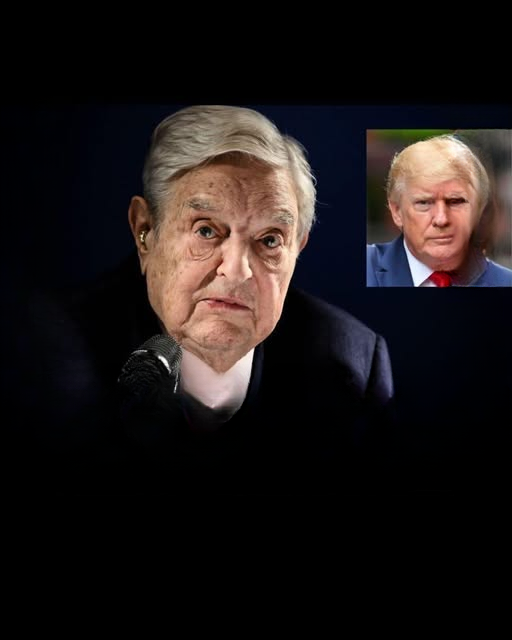
Shadows of Influence: Analyzing the Durham Report Annexes and the Origins of ‘Crossfire Hurricane’
The landscape of American politics has, for nearly a decade, been defined by the ripples of the 2016 presidential election. Among the most contentious chapters of this era is the investigation into potential ties between the Trump campaign and Russian interests—an operation known as “Crossfire Hurricane.” While many reports have surfaced over the years, the declassification of specific annexes to Special Counsel John Durham’s report has reignited a debate regarding the origins of these narratives and the role of third-party influencers in shaping national intelligence priorities.
1. The Intersection of Policy and Politics: The OSF Connection
At the heart of the recently scrutinized documents is the mention of Leonard Benardo, a high-ranking official within the Open Society Foundations (OSF). The intercepted communications attributed to Benardo describe what is characterized as a “long-term affair” intended to align the public perception of Donald Trump with that of Russian President Vladimir Putin.
Understanding the Strategy of Deflection
The annexes suggest that this strategy was not merely an ideological pursuit but a tactical maneuver designed to alleviate pressure from the Hillary Clinton campaign during her private email server controversy. By shifting the focus toward a potential national security threat involving foreign interference, political strategists aimed to transform a foreign policy crisis into a domestic political asset.
2. The Credibility Gap: Authenticity vs. Fabrication
One of the most complex aspects of the Durham findings involves the “chain of custody” for this information. The communications in question were reportedly hacked by Russian intelligence and later retrieved by Dutch intelligence services before reaching U.S. analysts.
-
The Problem of Disinformation: Special Counsel Durham acknowledged a significant hurdle: the possibility of Russian “dezinformatsiya” (disinformation). Because the emails passed through Russian hands, the potential for manipulation existed.
-
The Analysts’ View: Despite these risks, the report notes that several U.S. intelligence analysts judged the communications to be “likely authentic.” This internal conflict highlights the difficulty modern intelligence agencies face when distinguishing between legitimate political planning and foreign-planted narratives.
3. The Institutional Impact: The FBI and Crossfire Hurricane
The Durham annexes raise uncomfortable questions about the Federal Bureau of Investigation’s role in “legitimizing” these narratives. The documents suggest that campaign-world strategy may have intersected with official law enforcement actions, creating a feedback loop where unverified political opposition research was utilized to justify high-level investigations.
The Role of Media Cutouts
The report paints a picture of a “chilling portrait” where media outlets functioned as “cutouts”—entities that disseminated specific storylines to build public pressure for government action. When an intelligence agency sees a narrative appearing in major media outlets, it can inadvertently create a sense of urgency that bypasses traditional evidentiary standards.
4. Emotional and Political Fractures: The Legacy of Suspicion
Beyond the technicalities of the Durham report, the “Russiagate” era has had a profound impact on the American psyche. For nearly four years, a significant portion of the electorate lived in a state of heightened suspicion, fueled by the belief that the highest office in the land was compromised.
The Deepening Divide
The consequences of these strategies were far-reaching:
-
Erosion of Trust: Constant headlines regarding “collusion” and “interference” eroded public trust in the FBI and the Department of Justice.
-
Political Polarization: The narrative became a litmus test for political loyalty, making bipartisan cooperation nearly impossible.
-
Diplomatic Strains: The focus on Russia as a central domestic political weapon complicated international relations and the ability to negotiate on critical global issues.
5. Conclusion: Lessons in Transparency and Oversight
The declassified annexes to the Durham report serve as a warning about the fragility of democratic institutions. They underscore the necessity for strict firewalls between political campaigns and the intelligence community. As we look toward future election cycles, the primary takeaway from the “murky picture” painted by Durham is the need for greater transparency and more rigorous oversight of how intelligence is gathered, analyzed, and disseminated.
Only by addressing the “long-term affair” of political demonization can the nation begin to repair the fractures that have defined the last decade.