The Golden Diagnostic: Examining the Medical and Radiological Implications of Retained Acupuncture Needles
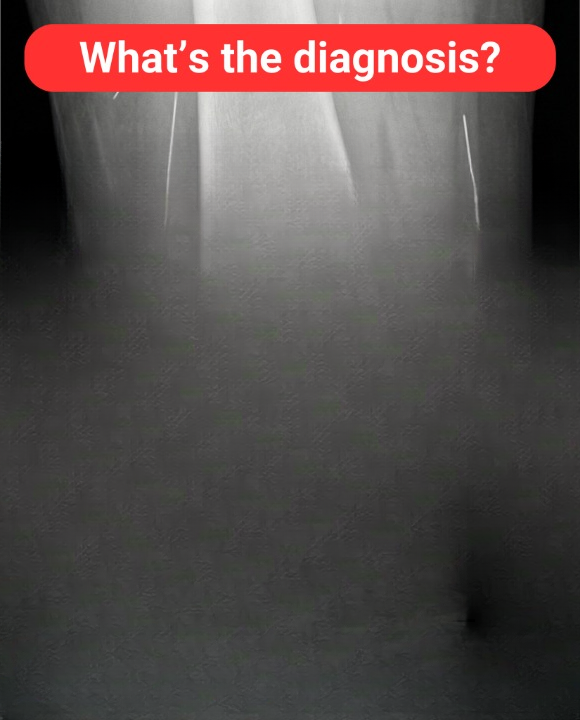
For millions of individuals worldwide, osteoarthritis is a silent, progressive adversary. It is a condition that does not merely cause pain; it reshapes a person’s life, transforming once-effortless tasks into calculated maneuvers. In a notable medical case that has captured the attention of radiologists and rheumatologists alike, a woman seeking relief from this debilitating condition became the subject of a striking discovery: a multitude of gold needles intentionally embedded within her knee joints.
This case serves as a powerful conduit for discussing the evolution of pain management, the biological response to foreign bodies, and the critical importance of communication between patients and modern medical practitioners.
1. The Burden of Osteoarthritis: A Motivation for Alternative Care
To understand why a patient would consent to the permanent implantation of gold needles, one must first understand the “exhaustion of options” that often precedes such decisions. Osteoarthritis is characterized by the mechanical wear and tear of articular cartilage. As this protective buffer thins, the resulting bone-on-bone friction leads to:
-
Chronic Synovitis: Constant inflammation of the joint lining.
-
Osteophyte Formation: The development of bone spurs that further restrict movement.
-
Psychological Fatigue: The mental toll of living with a condition that conventional NSAIDs (Non-Steroidal Anti-Inflammatory Drugs) often fail to fully mitigate.
For the woman in this case, the limitations of Western pharmaceuticals led her toward acupuncture, a cornerstone of Traditional Chinese Medicine (TCM). While traditional acupuncture involves the temporary insertion and removal of needles, specific regional variations involve the permanent placement of sterile gold threads or needles, intended to provide “continuous stimulation” to the body’s meridians.
2. The Biological Response: When the Body Meets Gold
Gold is often cited as a “biocompatible” metal, which is why it has been used in dentistry and joint treatments for decades. However, the human immune system is designed to be a vigilant gatekeeper.
The Foreign Body Reaction (FBR)
Dr. Ali Guermazi, a professor of radiology at Boston University, notes that the body’s primary response to any implanted object is a defense mechanism.
-
Inflammatory Phase: The body identifies the needles as “non-self” and sends white blood cells to the area.
-
Fibrosis: To protect the surrounding healthy tissue, the body attempts to “wall off” the intruder by forming a dense layer of fibrous connective tissue around each needle.
-
Encapsulation: While this can stabilize the object, it can also lead to localized stiffness or the formation of granulomas—small areas of inflammation that can be mistaken for other pathologies during a physical exam.
3. The Radiological Challenge: Shadows and Shrapnel
One of the most significant “consequences” of retained needles is their impact on modern diagnostic technology. In an era where precision imaging is the backbone of medicine, these golden artifacts present two major hurdles.
The “Anatomy Obstruction” in X-rays
Gold is highly “radiopaque,” meaning it absorbs X-rays and appears bright white on the film. When dozens of needles are clustered around a joint, they create “artifacts” or shadows that can physically obscure the view of the bone structure, potentially hiding fractures, tumors, or the very progression of the arthritis the treatment was meant to help.
The MRI Danger Zone
Perhaps the most critical warning from specialists like Dr. Guermazi involves the Magnetic Resonance Imaging (MRI) suite.
-
The Projectile Effect: While pure gold is non-ferromagnetic (it isn’t attracted to magnets), many acupuncture needles are alloys. If they contain even trace amounts of iron or nickel, the powerful magnetic field of an MRI can cause the needles to migrate or vibrate.
-
Internal Trauma: A needle moving even a few millimeters inside a joint capsule can puncture a synovial membrane or, more dangerously, nick an adjacent artery. Consequently, patients with retained needles are often barred from undergoing MRIs, depriving them of the most effective tool for diagnosing soft-tissue injuries.
4. The Cultural Context: Acupuncture’s Global Footprint
The use of “gold thread therapy” is more than a medical anomaly; it is a cultural practice deeply rooted in specific Asian traditions. In countries like South Korea and China, the implantation of gold is viewed by some as a sophisticated evolution of traditional needlework.
Statistics of Usage
In the United States, the popularity of complementary medicine continues to climb. According to data from the NIH:
-
Over 3.1 million adults utilized acupuncture in a single year.
-
The integration of “East meets West” has led many hospitals to offer acupuncture as a secondary service for oncology and chronic pain patients.
However, the “permanent” version of this therapy remains a rarity in Western clinics, highlighting the importance of patients disclosing their full medical and “alternative” history to their primary care physicians.
5. Analysis: The Balance of Relief and Risk
The woman’s case highlights a fundamental tension in modern healthcare: the search for holistic relief versus the need for scientific safety protocols. While the patient may have experienced a placebo effect or actual neurochemical pain relief from the gold, the “hidden cost” was a compromised ability to receive future medical care.
The Importance of Patient Disclosure
This case underscores a vital takeaway for the public: No medical treatment exists in a vacuum. A procedure performed in a traditional setting can have profound implications for a procedure performed in a modern surgical or radiological suite years later.
6. Conclusion: A Trove of Lessons
The discovery of gold needles in a patient’s knees is a “medical wonder” that serves as a cautionary tale. It reminds us that our bodies are records of our history—every treatment, every injury, and every attempt at healing leaves a trace.
For the woman in the New England Journal of Medicine report, the gold in her knees was a silent witness to her struggle with pain. For the medical community, it is a reminder to keep an open but vigilant eye on the diverse ways humanity seeks to heal itself. As we move forward, the goal is not to dismiss traditional wisdom, but to ensure it is integrated safely into the highly technological world of 21st-century medicine.