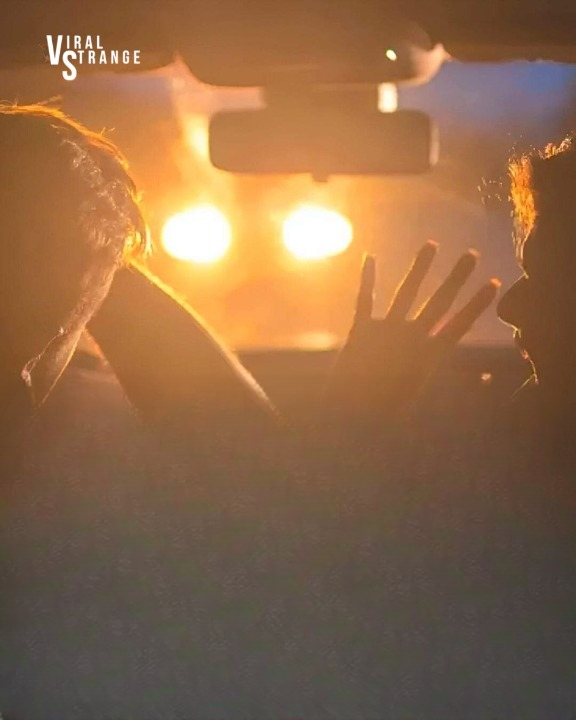
The Great Illumination: Balancing the Benefits of LED Headlights with the Hazards of Glare
For over a century, the evolution of automotive lighting was incremental—moving from oil lamps to incandescent bulbs, and eventually to high-output halogens. However, the last decade has seen a total transformation. The rapid adoption of Light Emitting Diode (LED) technology has turned the nocturnal landscape into a high-definition experience for those behind the wheel.
Yet, as any driver on a two-lane road at night can attest, this “celebrated innovation” has a dark side. The very properties that make LEDs superior—efficiency, color temperature, and beam focus—are the same factors causing a spike in “disability glare” for oncoming traffic. As we navigate the roads of 2026, the question is no longer just “can I see?” but “am I blinding everyone else?”
Part I: The Science of the Light – Why LEDs Feel Different
To solve the problem of headlight glare, we must first understand the physics of the LED itself. Traditional halogen bulbs work by heating a filament until it glows, producing a “warm” yellow light. LEDs, conversely, produce light through electroluminescence.
1. Color Temperature and the Human Eye
Halogen bulbs typically operate at a color temperature of around 3,000K, while LEDs often sit between 5,000K and 6,000K. This “daylight” spectrum is much richer in blue light.
-
The Scotopic Response: The human eye is more sensitive to blue light at night. This causes the pupils to constrict more sharply, making the light feel “harsher” than a yellow beam of the same intensity.
-
Scatter and Glare: Blue light waves are shorter and scatter more easily in the atmosphere and within the eye itself (intraocular scatter). This creates a “haze” effect for oncoming drivers, particularly those with early-stage cataracts or other vision sensitivities.
2. The Precision of the Beam
Unlike halogens, which scatter light in all directions (requiring large reflectors), LEDs are directional. They emit light in a specific path. While this allows engineers to create “sharp cut-off lines,” it means that when a car hits a bump or carries a heavy load in the trunk, the focused “hot spot” of the beam can jump above the horizon line and directly into the eyes of other drivers.
Part II: The Geometric Conflict – SUVs vs. Sedans
The “headlight war” is largely an unintended consequence of the modern shift in vehicle size. In 2026, SUVs and light trucks dominate the market, creating a massive disparity in mounting height.
1. The Line-of-Sight Problem
In a standard sedan, the driver’s eyes are often at the same height as an SUV’s headlights. Even a perfectly aligned LED beam from a tall truck can pour directly into the rearview and side mirrors of a smaller car.
-
The “Wall of White”: When an SUV follows a sedan, the intensity of the LED reflection in the mirrors can cause troxler fading or temporary scotoma (blind spots) for the lead driver.
-
Angular Sensitivity: On hilly terrain, the angle of the road constantly shifts. A truck cresting a hill will naturally point its beams upward, temporarily “flash-blinding” oncoming traffic with the full intensity of the LED array.
2. The Aftermarket Hazard
One of the most significant contributors to the glare crisis is the “Plug-and-Play” LED kit. Many drivers attempt to upgrade their older halogen housings with LED bulbs.
-
The Optical Mismatch: Halogen housings are designed for a 360-degree filament. An LED bulb in a halogen reflector creates “stray light” that bypasses the lens’s shielding, resulting in a beam that is bright for the driver but blindingly uncontained for everyone else.
Part III: The Physiological Impact – More Than an Annoyance
The medical community has begun to sound the alarm on “disability glare.” This is not just about a driver being “fussy”; it is about the involuntary biological responses that occur at 60 mph.
1. Recovery Time and Age
As we age, our eyes take longer to recover from bright light. A 55-year-old driver may take twice as long to regain full “dark adaptation” after being flashed by an LED than a 20-year-old. Those few seconds of recovery represent hundreds of feet traveled in total or partial blindness.
2. Peripheral Blindness
Intense glare causes the eye to focus on the light source rather than the road. This effectively erases a driver’s peripheral vision, making it nearly impossible to spot pedestrians, cyclists, or deer entering the roadway from the shoulder.
Part IV: The Regulatory Path Forward – Adaptive Systems
If the problem is implementation, the solution lies in smarter technology and stricter standards. In 2022, the U.S. finally approved Adaptive Driving Beam (ADB) technology, though the rollout has been slow.
1. How ADB Works
Adaptive systems use cameras to detect the headlights and taillights of other vehicles. Instead of just “high” and “low” beams, the system uses a matrix of LEDs to “carve out” a shadow around other cars while keeping the rest of the road fully illuminated.
-
Precision Dimming: The system can dim only the specific LEDs that would hit an oncoming driver’s eyes, allowing for maximum visibility without the hazard of glare.
2. Mandatory Alignment Checks
Currently, most states do not require headlight alignment checks during annual inspections. A headlight that is misaligned by just 1 degree can increase the glare experienced by oncoming drivers by over 200%. Experts are calling for mandatory, digitized alignment checks to ensure that “cut-off lines” remain where they belong.
Conclusion: Reclaiming the Night
The “headlight war” is a classic example of a technology that solved one problem while creating another. LEDs have undoubtedly saved lives by allowing drivers to see hazards earlier, but we cannot ignore the safety risk posed to those on the receiving end of the beam.
Until adaptive systems become the universal standard, the responsibility falls on the individual. We must ensure our lights are properly aimed, resist the urge to use unshielded aftermarket kits, and advocate for road standards that prioritize the safety of the collective over the brightness of the individual. Driving at night should be a shared experience of safety, not a battle for survival against a wall of white.