The Science of the Shelf: Mastering the Hidden Language of ‘Best By’ Dates
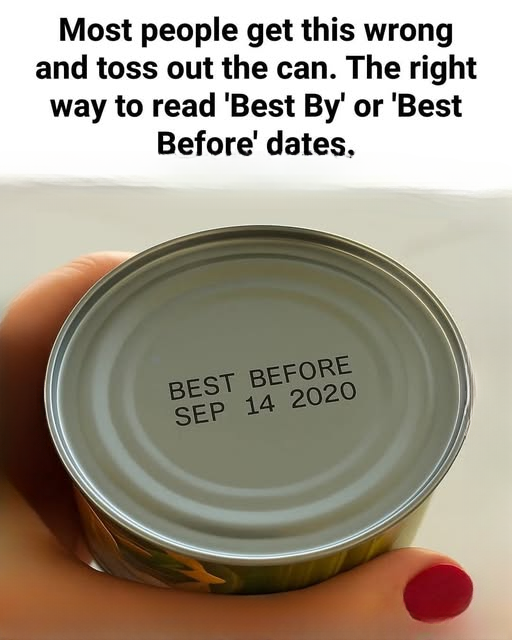
In a world increasingly focused on sustainability and economic efficiency, few topics are as misunderstood as the date stamped on the bottom of a soup can. Every year, millions of households discard perfectly safe, nutritious food under the mistaken belief that a “Best By” date is a hard deadline for safety. This widespread misconception contributes significantly to the global food waste crisis and puts an unnecessary strain on family budgets.
Understanding the “architecture” of food labeling is more than a kitchen tip; it is a vital skill for modern living. To truly grasp the shelf life of our pantry staples, we must look past the numbers and into the science of food preservation, the psychology of consumer habits, and the physical signs of food integrity.
I. Decoding the Label: Quality vs. Safety
The most critical distinction to make in food management is the difference between a Quality Date and a Safety Date. In many regions, including the United States, the federal government does not mandate “expiration” dates for anything other than infant formula. Instead, the dates we see are determined by manufacturers to protect their brand’s reputation for flavor and texture.
The Three Most Common Labels
-
“Best if Used By/Before”: This is a quality indicator. It tells you when the product will have the best flavor or texture. It is not a purchase or safety date.
-
“Sell-By”: This tells the store how long to display the product for inventory management. It is not a safety date for the consumer.
-
“Use-By”: This is the last date recommended for the use of the product while at peak quality.
II. The Resilience of the Can: Longevity of Common Staples
Canning is a process designed to create a sterile environment. When food is heated to a high temperature and sealed in a vacuum, the bacteria that cause spoilage are destroyed. As long as the seal remains intact, the food inside remains technically sterile, though its “personality”—its crunch and color—will evolve over time.
Canned Corn and Green Beans
Vegetables packed in water or brine are incredibly resilient. While a can of corn might have a “Best By” date of 2024, it can often remain perfectly safe for 1 to 2 years beyond that point.
-
What to Expect: Over time, the corn may lose some of its bright yellow hue, and the green beans may become softer in texture.
-
The Analysis: The nutritional value (fiber and minerals) remains largely stable, even if the “snap” of the vegetable fades.
The Versatility of Canned Tuna
Tuna is a pantry powerhouse. High in protein and shelf-stable, it is designed for the long haul. Properly stored canned tuna can remain safe for 3 to 5 years past the date on the lid.
-
What to Expect: After several years, the oils or water the fish is packed in may begin to break down the firm texture of the meat.
-
Storage Tip: If you are nearing the three-year mark, use the tuna in cooked dishes like casseroles or melts where texture changes are less noticeable.
III. The Safety Protocol: How to Inspect Your Pantry
While “Best By” dates are flexible, the physical condition of the container is not. Safety must always come first. Before opening any canned good, perform a three-point inspection: Visual, Tactile, and Olfactory.
1. The Visual Inspection
-
Bulging: If the top or bottom of the can is rounded or “popped,” discard it immediately. This is a sign of gas production from bacterial activity inside.
-
Rust: Surface rust that can be wiped off is fine, but deep pitting that weakens the metal can allow microscopic holes to form.
-
Leaks: Any sign of moisture or “oozing” around the seams is an automatic disqualifier.
2. The Tactile Inspection
-
The “Press Test”: When you press the lid, it should not move or make a clicking sound. Movement indicates that the vacuum seal has been lost.
3. The Olfactory Inspection
-
The Scent of Safety: Upon opening, the food should smell exactly as expected. Any “funky,” sour, or sharp metallic odors are clear indicators that the product has oxidized or spoiled.
IV. Professional Storage: Creating a “Cool, Dry, and Dark” Sanctuary
To maximize the “persistence” of your food’s shelf life, you must treat your pantry like a vault. The environment in which you store your cans is just as important as the canning process itself.
Environmental Controls
-
Temperature: Aim for a consistent temperature between 50°F and 70°F (10°C – 21°C). Fluctuating temperatures (like those in a garage or near an oven) cause the metal to expand and contract, which can eventually fatigue the seals.
-
Humidity: Moisture is the enemy of metal. Store cans off the floor and away from damp walls to prevent rust.
-
Light: While the can itself blocks light, a dark environment helps maintain the external integrity of the labels and prevents the pantry area from heating up.
The FIFO Method
Professionals use the “First In, First Out” (FIFO) system. When you come home from the grocery store, place newer cans behind the older ones. This ensures that you are always using the items closest to their quality peak first.
V. Post-Opening Care: The Transition to Refrigeration
A common mistake is leaving unused portions in the open can in the refrigerator. Once a can is opened, the tin or iron can begin to leach into the food more rapidly when exposed to oxygen, which gives the food a “tinny” taste.
-
The Right Way: Transfer unused corn, beans, or tuna to a clean, airtight glass or BPA-free plastic container.
-
The Timeline: Once refrigerated, canned vegetables and fish should be consumed within 3 to 4 days.
VI. The Broader Context: Fighting Food Waste
The emotional depth of this issue lies in the impact on our global community. In a world where food insecurity remains a significant challenge, tossing out a safe can of food is more than an individual loss—it is a collective failure of communication.
By educating ourselves on the “Best By” myth, we contribute to a more resilient food system. We learn to function with intentionality, aware of the fragility of our resources, and committed to using them wisely. Like the resilience shown in a family crisis, our ability to adapt and learn new truths about our daily habits makes us more capable and aware.
VII. Conclusion: Trusting Your Senses Over the Stamp
The “Best By” date is a suggestion of peak quality, not a warning of danger. By understanding the science of the can, maintaining a professional storage environment, and performing diligent safety checks, you can safely extend your pantry’s life and reduce your environmental footprint.
The next time you reach for a can that is a few months past its “Best Before” date, remember: if the can is solid, the seal is tight, and the scent is right, the food is ready for your table. True value isn’t found in a date—it’s found in the knowledge and care we bring to our homes.