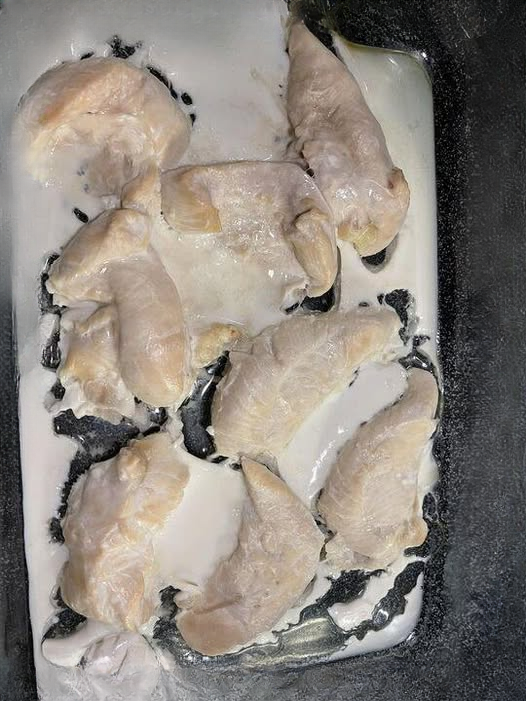
The Science of the Sizzle: Understanding the “White Protein” in Cooked Chicken
Whether you are a seasoned home chef or a beginner in the kitchen, you have likely encountered a specific culinary mystery: the appearance of a white, opaque, somewhat gelatinous substance on the surface of your chicken as it roasts or sears. While this “white goo” might seem unappetizing—or even cause concern about the quality of the meat—it is actually a fascinating demonstration of food science in action.
Far from being a sign of spoilage or poor processing, this substance is a natural byproduct of the interaction between muscle fibers, moisture, and thermal energy. In professional culinary circles, understanding this process is key to mastering texture and presentation.
The Biological Catalyst: Protein Denaturation
To understand why chicken “weeps” this white substance, we must look at the microscopic structure of the meat. Chicken muscle is composed primarily of water (roughly 75%), protein (20%), and a small amount of fat and minerals.
What is Denaturation?
As heat is applied to the chicken, the proteins—specifically myosin and actin—undergo a process called denaturation. In their raw state, these proteins are shaped like tightly coiled springs. Heat causes these coils to unwind.
The “Squeeze” Effect
As the proteins unwind and then begin to bond together (a process called coagulation), they contract. Think of this like a sponge being squeezed. As the protein fibers tighten, they force out the water trapped between them. This water carries with it a dissolved protein called albumin (the same protein found in egg whites). When this protein-rich liquid reaches the surface of the hot meat, it cooks instantly, turning into the white, solid substance you see.
Why Is It More Visible Sometimes?
Not all chicken is created equal, and several factors can influence the volume of protein released during your Sunday roast or weeknight stir-fry.
1. The Cut of the Meat
Leaner cuts, specifically the pectoralis major (chicken breast), are more prone to this phenomenon. Because these muscles have very little intramuscular fat to act as a buffer, the protein contraction is more direct and forceful, expelling more moisture.
2. Temperature Management
High-heat cooking (such as a 450°F oven) causes the protein fibers to snap shut rapidly. This “shock” to the meat results in a greater “squeeze,” forcing more albumin to the surface.
3. Frozen vs. Fresh
Freezing chicken causes the water inside the cells to turn into ice crystals. These crystals have sharp edges that can puncture the delicate cell walls of the muscle. When the chicken thaws and cooks, these damaged cells “leak” their contents more easily than fresh, never-frozen meat.
4. Added Sodium Solutions
Many commercial chicken brands undergo a process called “plumping,” where the meat is injected with a saltwater solution to increase weight and juiciness. While this can prevent the meat from drying out, the excess water often carries more surface protein out with it during the cooking process.
Culinary Solutions: Improving Presentation and Texture
While the white protein is completely safe and flavorless, many cooks prefer to minimize its appearance for a more professional-looking dish. Here are the most effective methods to achieve a clean, golden-brown finish.
The Power of the Brine
Brining—soaking meat in a salt-water solution—is the single most effective way to change the structure of the meat. Salt helps to partially dissolve some of the protein fibers, allowing them to absorb more water and remain “relaxed” during cooking.
-
The Result: The meat retains more moisture internally, and the proteins don’t contract as violently, leading to less surface secretion.
Proper Thawing and Tempering
Never cook chicken directly from the refrigerator or, worse, the freezer.
-
The Fix: Allow your chicken to sit at room temperature for about 15–20 minutes before cooking (a process called tempering). This ensures the exterior and interior of the meat reach the target temperature more evenly, preventing the outer layers from overcooking and “squeezing” before the center is done.
Low and Slow vs. The Reverse Sear
If you are roasting a whole bird or thick breasts, consider a lower temperature (325°F) for the majority of the cooking time. A gradual rise in temperature prevents the rapid “shock” to the muscle fibers. You can finish with a quick sear at the end to achieve the desired Maillard reaction (browning).
Air-Chilled Chicken
When shopping, look for “air-chilled” labels. Traditional chicken is chilled in cold water baths, which leads to water absorption. Air-chilled chicken is cooled by cold air, resulting in a higher protein-to-water ratio and a much better skin texture.
Myth-Busting: What the White Substance Is Not
In the age of social media, several myths have circulated regarding this substance. It is important to clarify:
-
It is NOT fat: While chicken does render fat (schmaltz), fat is translucent and oily. The white substance is solid and matte.
-
It is NOT a sign of “growth hormones”: The release of albumin is a basic biological function of all muscle tissue, including beef and fish (where it is often seen on cooked salmon).
-
It is NOT a sign of poor quality: Even the most expensive, organic, pasture-raised chicken will release albumin if cooked at a high temperature.
Conclusion: Embracing the Process
The white protein that appears on your chicken is a sign that the laws of physics and biology are working exactly as they should. It is the visual evidence of the transformation from raw ingredients to a protein-rich meal. By utilizing techniques like brining, tempering, and careful temperature control, you can master this reaction—ensuring your chicken is not only safe and nutritious but also a masterpiece of culinary presentation.
The next time you see those white marks on your pan-seared breast, you can smile knowing exactly what is happening under the surface. Your chicken is perfectly fine, your science is sound, and your dinner is served.