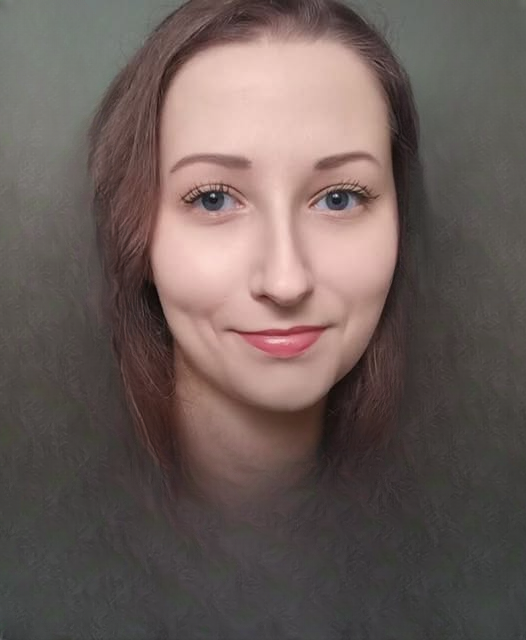
The Silent Struggle: Autonomy, Mental Health, and the Ethical Paradox of Zoraya ter Beek
In a quiet town in the Netherlands, a 28-year-old woman named Zoraya ter Beek has become the center of an international conversation that sits at the intersection of human rights, medical science, and moral philosophy. Her story is not one of a sudden tragedy or a visible physical ailment; rather, it is a narrative of “unbearable suffering” within the mind—a condition that has led her to seek, and be granted, the right to end her life through legal euthanasia.
Ter Beek’s case is transformative because it challenges the traditional boundaries of the “right to die.” While the global public is increasingly accustomed to euthanasia in the context of terminal cancer or neurodegenerative diseases, ter Beek is physically healthy. Her eligibility rests entirely on psychiatric grounds, forcing a global audience to confront the question: Is mental agony equal to physical pain in the eyes of the law?
The Architecture of Dutch Law: The “Unbearable” Standard
To understand how a physically healthy 28-year-old reaches this point, one must look at the legal framework of the Netherlands. Since 2002, the Dutch Termination of Life on Request and Assisted Suicide Act has provided a structured, though highly scrutinized, pathway for euthanasia.
The law does not distinguish between physical and mental suffering. Instead, it focuses on two pillars:
-
Unbearable Suffering: The patient’s pain must be intolerable to them personally.
-
No Prospect of Improvement: There must be no reasonable medical alternative or treatment that the patient can realistically be expected to undergo.
In ter Beek’s case, her diagnosis includes severe, treatment-resistant depression, autism, and borderline personality disorder (BPD). For over a decade, she engaged in a relentless cycle of specialized therapies, medications, and clinical interventions. When her psychiatrist eventually informed her that “there is nothing more we can do,” the legal definition of “no prospect of improvement” was met.
The Invisible Burden: Autism and Psychiatric Suffering
One of the most complex layers of this story is the intersection of neurodivergence and mental health. Ter Beek has spoken candidly about how her autism contributes to her experience of the world. For some individuals with high-support-need autism, the sensory and social processing demands of daily life can lead to chronic burnout and a profound sense of alienation.
When coupled with borderline personality disorder—a condition often characterized by intense emotional instability and a fractured sense of self—the psychological load becomes immense. Critics often argue that BPD, in particular, involves a fluctuating desire for self-harm that should be treated, not facilitated. However, ter Beek’s supporters point out that after ten years of specialized BPD treatments (such as Dialectical Behavior Therapy), the persistence of her suffering indicates a chronic state rather than an acute crisis.
The Ethical Divide: Autonomy vs. Protection
The global reaction to ter Beek’s announcement has split the medical and ethical communities into two distinct camps.
The Case for Autonomy
Proponents of psychiatric euthanasia argue from a standpoint of medical equality. They contend that if we recognize the brain as a biological organ, we must acknowledge that it can fail or suffer damage just as irreversibly as the heart or lungs. To deny a psychiatric patient the same end-of-life options as a cancer patient is, in their view, a form of discrimination that forces individuals into violent, unassisted suicides.
The “Slippery Slope” and Clinical Concern
Conversely, many psychiatrists view the case with deep trepidation. A primary symptom of severe depression is hopelessness. If the medical establishment validates that hopelessness by providing a lethal injection, critics argue it abandons the fundamental hippocratic oath to “do no harm.“
There is also the “Slippery Slope” argument: if society normalizes euthanasia for 28-year-olds with depression, does it reduce the incentive for the state to invest in innovative mental health care? Does it send a message to other struggling youths that their lives are “objectively” not worth living?
The Emotional Landscape: A Life Lived in the Grey
Beyond the legal briefs and ethical debates is a human being preparing for the end of her story. Ter Beek has described her decision not as an act of hatred toward life, but as a final pursuit of peace.
She has meticulously planned her final moments, choosing to stay in her own home with her partner. This level of preparation is common in the Dutch system, which emphasizes “dignity in death.” She has opted for cremation, specifically noting her desire to minimize the long-term logistical burden on her loved ones.
Her admission that she feels “fear” alongside her “liberation” humanizes the process. It dispels the myth that euthanasia is an easy way out; rather, it portrays it as a heavy, somber conclusion reached after every other door has been locked.
Global Implications: A Moral Mirror
As ter Beek’s date approaches, countries currently debating assisted dying laws—such as Canada, the UK, and parts of the United States—are watching closely. The Netherlands serves as a “moral laboratory” for the rest of the world.