The Standoff for Life: The George Pickering II Story and the Ethics of Medical Certainty
The sterile, fluorescent-lit hallways of a modern hospital are typically associated with healing and order. But in January 2015, the Tomball Regional Medical Center in Texas became the stage for a desperate, armed confrontation that would challenge the boundaries of medical protocol and the definition of a father’s love.
The Night Hope Collided with Protocol
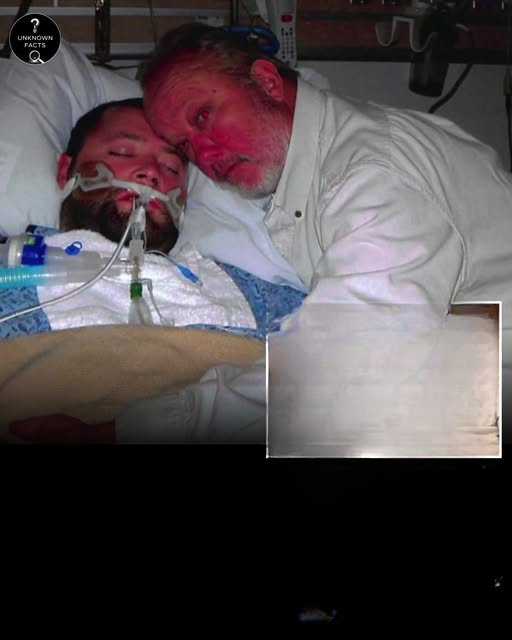
George Pickering II was a man facing every parent’s ultimate nightmare. His son, George Pickering III, had suffered a massive stroke. Within the walls of the Intensive Care Unit (ICU), the machinery of modern medicine was keeping the younger George alive, but the clinical outlook was bleak.
Doctors had reached a terminal conclusion: George III was “brain dead.” In medical terms, this isn’t a coma or a vegetative state; it is the legal and clinical definition of death. Following this diagnosis, the hospital began the transition from life-saving care to organ procurement protocols.
The Father’s Intuition vs. Clinical Data
To the medical staff, the decision to withdraw life support was based on rigorous testing and standardized neurological assessments. To George Pickering II, however, these were merely “papers.” He felt a connection to his son that transcended the flatlines on the monitors.
When the hospital notified the family that the life support would be disconnected and organ donation would proceed, the elder Pickering reached a breaking point. He believed the hospital was moving too fast—that they were “treating his son like a piece of meat” rather than a human being with a chance at recovery.
The Siege: A Desperate Act of Defiance
Driven by what he later described as a “divine intuition,” Pickering entered the hospital with a firearm. He didn’t seek to harm; he sought to buy time. He barricaded himself in his son’s room, leading to a tense, multi-hour standoff with a SWAT team.
The scene was a paradox:
-
Outside the room: Snipers and negotiators prepared for a violent conclusion to a hostage situation.
-
Inside the room: A father sat by his son’s bed, holding his hand, pleading for a sign of life that the world’s best technology had failed to detect.
The Miracle in the ICU
During the height of the standoff, the impossible happened. While the elder Pickering was being negotiated with through the door, he felt a squeeze. His son, the young man declared brain-dead by experts, squeezed his hand four times.
This wasn’t a reflex; it was a response. Pickering signaled to the officers and medical staff. The standoff ended peacefully when Pickering surrendered, his mission accomplished. He had proven that his son was still “in there.”
The Ethical and Medical Aftermath
The recovery of George Pickering III was nothing short of miraculous. Within weeks, he was awake, vocal, and eventually discharged. However, the story left a trail of complex questions in its wake.
1. The Fallibility of Brain Death Diagnoses
This case forced a public conversation about the “Brain Death” protocol. While rare, “false positives” in brain death testing raise terrifying questions about the rush toward organ donation. The pressure to provide viable organs for transplant—a noble cause—can sometimes clash with the slow, unpredictable pace of neurological recovery.
2. The Legal Dilemma
George Pickering II was a hero to his son, but a criminal to the state. He was charged with aggravated assault with a deadly weapon. His defense was one of “necessity”—arguing that a crime committed to prevent a greater harm (the death of his son) should be viewed with leniency. He eventually served nearly a year in jail, a price he stated he would pay “a thousand times over.”
3. The Trust Gap in Healthcare
The incident highlights a growing tension between medical institutions and the families they serve. When a hospital dictates the end of a life, the power imbalance can feel absolute. The Pickering case serves as a somber reminder that clinical certainty is not always absolute truth.
Conclusion: A Legacy of Love and Law
Today, George Pickering III is a living testament to his father’s refusal to give up. The story remains a staple of bioethics discussions worldwide. It asks us: What is the value of a life that the machines say is over? And how far should a father go to protect it?
While we cannot condone the use of violence in a hospital setting, we cannot ignore the outcome. In the silence of that hospital room, a father’s instinct proved more accurate than a hospital’s sensors, changing the lives of the Pickering family forever.