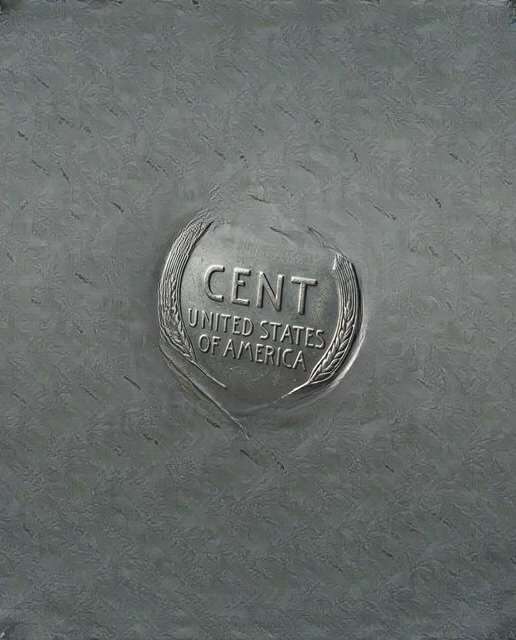
Most people hardly give their spare change a second glance. Pennies, nickels, and dimes often feel too small in value to merit attention, dropped mindlessly into jars, lost between couch cushions, or left behind at checkout counters. Among them, the penny—the lowly one-cent coin—often receives the least consideration. Yet, as any coin collector will tell you, what appears ordinary to most can sometimes hide extraordinary value. Occasionally, a coin that seems completely commonplace can carry tens of thousands of dollars in worth, simply because of an error, rarity, or historical significance. Among such coins, few stories are as fascinating as that of the 1943 copper penny.
The Historical Context: World War II and the Zinc-Coated Steel Penny
To fully appreciate the rarity and value of the 1943 copper penny, it is necessary to understand the circumstances under which it was minted. During World War II, the United States faced significant demands on its industrial and natural resources. Copper, a vital material used in electrical wiring, ammunition, and other military applications, was in particularly high demand. In order to conserve copper for the war effort, the U.S. Mint made a bold and unprecedented decision in 1943: pennies would no longer be made from copper. Instead, they would be struck from zinc-coated steel, giving them a silvery-gray appearance unlike any other penny in circulation.
Steel pennies were not designed to last forever—they were prone to rust and corrosion—but their primary purpose was functional rather than aesthetic. The plan was to produce enough pennies to meet public demand while freeing up copper for military production. For the average person, the new steel pennies were instantly recognizable, differing sharply from the familiar copper hue.
However, during the chaos of changing minting processes and materials, mistakes happened. While the mint was supposed to strike only steel pennies, a small number of copper blanks—leftover from the previous year—accidentally made it into production. The result was a handful of genuine 1943 copper pennies entering circulation, completely unnoticed at the time.
Why the 1943 Copper Penny Is So Valuable
The 1943 copper penny represents one of the rarest and most sought-after errors in American coinage. Experts estimate that fewer than two dozen authentic examples exist today. Rarity, of course, drives demand. When collectors know that only a limited number of coins survive from a particular issue, competition becomes fierce, and the market value skyrockets.
A typical penny from 1943 was originally worth one cent. But an authentic copper example can now sell for anywhere between $60,000 and $85,000, depending on condition. Even worn coins that have circulated extensively still command substantial prices because the rarity outweighs imperfections. To put it in perspective, a coin you might find in a jar, pocket, or old collection could be worth as much as a car, a small home down payment, or years of saved allowance.
The dramatic difference in value highlights the allure of collectible coins. It’s not the material alone—it’s the story behind it, the historical circumstances, and the sheer improbability of its survival.
How to Identify a 1943 Copper Penny
If you suspect that you might have stumbled upon a valuable 1943 penny, there are a few initial checks that can help you separate ordinary coins from potential treasures.
-
Check the Date: The coin must be dated 1943. Steel pennies from the same year are common, so the date alone is only the first step.
-
Look at the Color: Copper pennies retain their reddish-brown hue. A silvery-gray penny is almost certainly steel. Some counterfeit coins are even copper-coated to appear more valuable, so careful observation is essential.
-
Examine the Design: Authentic 1943 copper pennies feature the classic wheat-ear design on the reverse side, identical to other pennies of the era. Familiarity with design details can help differentiate between genuine coins and counterfeits.
-
The Magnet Test: Perhaps the most straightforward test is to use a magnet. Steel pennies will stick, while genuine copper will not. This simple step can instantly eliminate the vast majority of imposters.
If a coin passes all these basic checks, the next step is professional authentication. Certified grading services can verify the coin’s authenticity, evaluate its condition, and issue a formal report, which is crucial for selling or insuring a rare penny.
Stories of Discovery
Over the years, there have been several remarkable stories of individuals discovering 1943 copper pennies in unexpected places. One example involves a collector who found a coin among hundreds of mixed coins inherited from a grandparent. Initially assumed to be an ordinary penny, it was later authenticated and sold for an astonishing sum, dramatically transforming the collector’s understanding of what can hide in ordinary coin jars.
Another famous case occurred when a schoolteacher’s son found a copper penny while sorting coins from a piggy bank. After verification, the coin was authenticated and ultimately auctioned for more than $80,000. These stories illustrate that even ordinary households can inadvertently hold incredible treasures, often overlooked simply because they seem mundane.
The Broader Appeal of Coin Collecting
The fascination with coins like the 1943 copper penny is part of a broader culture of numismatics—the study and collection of coins. Collectors are drawn not only to monetary value but also to the history, artistry, and stories embedded in each coin. A coin becomes a tangible connection to the past, whether it tells a tale of economic change, wartime adaptation, or accidental mistakes at the mint.
Rare coins occupy a unique place at the intersection of history and investment. They are at once educational, aesthetically interesting, and financially significant. The 1943 copper penny is particularly compelling because it encapsulates a dramatic moment in U.S. history—the pressures of wartime production, the transition of minting practices, and the human error that led to its creation.
Counterfeits and Caution
Because of the extraordinary value of 1943 copper pennies, the market has also attracted counterfeiters. Some unscrupulous sellers attempt to create fake copper pennies by coating steel pennies with copper paint or using chemical treatments to mimic the reddish tone. These imitations can be convincing at a glance, but they rarely withstand careful scrutiny.
Professional grading and authentication services are essential to protect buyers and sellers. Experts examine weight, color, design details, and metallurgy to determine authenticity. For collectors, investing in verified coins ensures that a high-value purchase truly represents a rare historical artifact rather than a forgery.
The Role of Auctions and Private Sales
The rare coin market thrives through a combination of auctions, private sales, and collector networks. Auction houses provide a transparent forum for establishing market value, often drawing competitive bids that reflect both rarity and historical significance. Private sales, on the other hand, may occur among experienced collectors who value discretion and direct negotiation.
In either case, the presence of authenticated coins drives market confidence. Coins like the 1943 copper penny have consistently performed as valuable assets, appealing not only to hobbyists but also to investors looking for tangible, historically significant items.
Why This Coin Continues to Captivate
The 1943 copper penny is not just a collectible—it is a symbol of chance, history, and human error. Its value is a testament to the intersection of circumstance and rarity. Unlike coins produced for obvious scarcity, the copper penny was an accident, a minor slip in an otherwise highly controlled process. This accidental creation amplifies its allure: anyone holding a seemingly ordinary penny could, in theory, possess a piece of history worth tens of thousands of dollars.
Additionally, the story resonates with broader human fascination with hidden treasures. From buried pirate chests to antique heirlooms, people are drawn to the idea that extraordinary value can exist in overlooked places. The copper penny embodies this concept perfectly: a tiny coin, almost invisible in daily life, can transform from mundane to priceless under the right conditions.
Tips for Aspiring Collectors
For those inspired by the allure of rare coins, the world of numismatics offers endless opportunities. Beginners are advised to start by familiarizing themselves with common coins, learning key identifiers, and joining collector communities. Local coin shows, online forums, and numismatic societies provide both knowledge and networks for discovering potentially valuable pieces.
Patience and careful observation are crucial. Many valuable coins are found not in fancy stores, but among inherited collections, loose change, or forgotten piggy banks. Knowledge, combined with diligence, can turn an ordinary search into a remarkable discovery.
Conclusion: A Cent That Tells a Story
The 1943 copper penny is far more than a rare coin—it is a window into history, wartime resourcefulness, and the unpredictability of human error. From its origins in a world at war to its place in modern coin collections, it captures imagination and financial interest alike.
While most people continue to overlook spare change, the 1943 copper penny serves as a reminder that extraordinary stories can hide in the most mundane places. With careful observation, a bit of curiosity, and the right expertise, even a coin worth one cent can become a treasure that tells a story spanning decades of American history.
Whether you are a casual collector, a history enthusiast, or someone simply curious about hidden value in everyday life, the tale of the 1943 copper penny is a compelling reminder: sometimes, the most remarkable treasures are quietly waiting in plain sight.