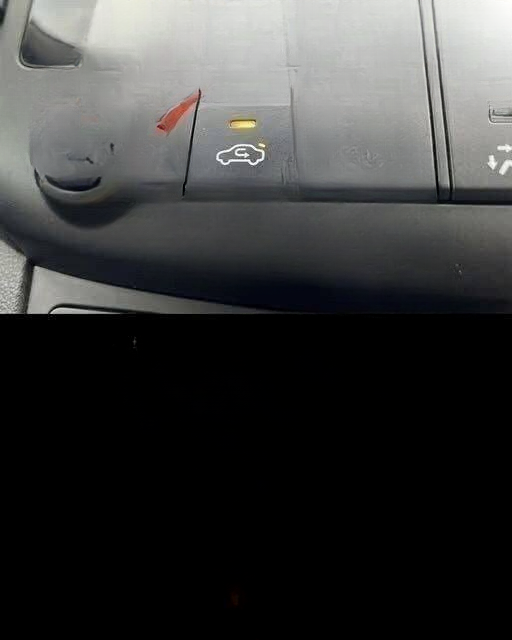
Introduction: The Often-Overlooked Control on Your Dashboard
Modern cars come packed with buttons, knobs, and symbols that drivers interact with almost daily, often without fully thinking about them. Headlights, windshield wipers, climate controls, defrosters, and entertainment systems usually become second nature.
Yet among these familiar controls, one small symbol is frequently misunderstood or ignored: the air recirculation button.
Represented by a simple icon of a car with a looping arrow inside, this small control has a surprisingly significant role in your driving experience. It affects comfort, cabin air quality, system efficiency, and even your alertness behind the wheel. Many drivers activate it instinctively on hot days without understanding why, while others avoid it completely out of uncertainty.
In reality, the air recirculation function is simple but highly effective when used correctly. Misusing it can cause minor but noticeable issues, but understanding it can improve your comfort and vehicle efficiency dramatically. This guide explains how the air recirculation button works, when it’s useful, when it isn’t, and how to use it wisely.
What the Air Recirculation Button Does
At its core, the air recirculation button controls where the air in your vehicle’s cabin comes from. Your car’s HVAC system—heating, ventilation, and air conditioning—has two main modes:
-
Fresh Air Mode: Draws air from outside the car.
-
Recirculation Mode: Reuses air already inside the cabin.
Pressing the air recirculation button switches between these two modes.
When turned off, your car pulls outside air, which passes through the cabin filter before being heated or cooled. When activated, the system limits outside air and reuses the air inside the cabin. This creates a closed loop, which can have several benefits depending on driving conditions, weather, and personal comfort.
Why Cars Have Two Airflow Options
The HVAC system is designed to maintain cabin comfort, control humidity, filter airborne particles, support driver alertness, and reduce strain on mechanical components. Both fresh air and recirculated air help achieve these goals, but in different ways.
-
Fresh Air: Helps maintain oxygen levels, reduce humidity buildup, and keep the cabin breathable.
-
Recirculated Air: Allows the system to work more efficiently by conditioning air that’s already closer to the desired temperature.
Neither mode is inherently better—they are tools to be used at the right time.
How Recirculation Improves Comfort and Efficiency
On hot days, the car’s AC must cool the cabin air. Outside air may be extremely warm, especially after the car has been parked in the sun. Using recirculation mode allows the system to cool air already inside, rather than constantly cooling hot air from outside.
Benefits include:
-
Faster cooling of the cabin
-
Less energy use
-
Reduced load on the AC system
Even in cold weather, recirculation can initially help warm the car faster. However, the effects differ when humidity is high, which we’ll discuss shortly.
The Air Recirculation Icon
Most vehicles use a universal symbol for recirculation: a side-view of a car with a looping arrow inside. Some cars illuminate a light when recirculation is active; others display it digitally. In newer models, the system may even switch modes automatically based on temperature or air quality. Despite design variations, the function remains the same: control whether the cabin air is fresh or recycled.
When Recirculation Mode Is Most Helpful
1. Hot Weather:
Recirculation is particularly effective on hot days. It speeds up cooling and reduces AC strain by repeatedly cooling the same air inside the cabin.
2. Traffic or Pollution:
Heavy traffic can bring in exhaust fumes, construction dust, or other odors. Recirculation blocks most outside air, helping keep the cabin air cleaner.
3. Dust, Smoke, or Pollen:
Recirculation can reduce exposure to allergens, dust, wildfire smoke, or pollen, especially when combined with a clean cabin filter.
4. Improved Fuel Efficiency:
Because the AC works less hard when cooling already-conditioned air, recirculation can slightly improve fuel economy over long drives, particularly in hot climates.
When Recirculation Should Be Avoided
1. Cold or Humid Conditions:
Recirculated air can accumulate moisture from breath, wet clothes, or snow, leading to foggy windows and reduced visibility. Many cars automatically switch to fresh air when defrosting.
2. Rain or Damp Weather:
Fresh air reduces humidity inside the cabin, keeping windows clear. Using recirculation in wet conditions may worsen condensation.
3. Long Drives:
While oxygen levels remain safe, continuously recirculating air may make the cabin feel stuffy and contribute to driver fatigue. Switching to fresh air periodically helps maintain alertness and comfort.
Automatic vs. Manual Systems
Older vehicles rely entirely on the driver to control recirculation. Newer cars often feature automatic climate systems that adjust airflow based on temperature, humidity, and external air quality. Even with automation, understanding recirculation allows drivers to manually optimize comfort when conditions change.
The Role of the Cabin Air Filter
The cabin air filter is critical for both fresh air and recirculated air. It removes dust, pollen, debris, and odors. A dirty filter reduces airflow, strains the HVAC system, and can allow smells to linger. Most manufacturers recommend replacing the filter every 12,000–30,000 miles, depending on conditions. A clean filter maximizes air quality, system efficiency, and comfort.
Common Misconceptions
-
“Recirculation reduces oxygen.” False. Vehicles aren’t airtight; air exchange continues naturally.
-
“Never use recirculation in winter.” Brief use is fine to heat the cabin, but prolonged use may fog windows.
-
“Recirculation always saves fuel.” It mainly helps during cooling; benefits are minimal otherwise.
Practical Tips
-
Use recirculation to cool the cabin quickly on hot days.
-
Activate it in traffic or polluted areas.
-
Switch to fresh air on long drives or in humid conditions.
-
Keep the cabin air filter clean for maximum efficiency.
Why It Matters
The air recirculation button may seem minor, but it can have a big impact on comfort, air quality, and system efficiency. Understanding it helps drivers make informed choices, improving the overall driving experience.
Conclusion
The air recirculation button is a simple yet powerful tool. It allows you to adapt your car’s climate system to weather, road conditions, and personal comfort. By knowing when to use recirculation and when to bring in fresh air, you can enhance cabin comfort, support your vehicle’s HVAC system, and even reduce fuel usage slightly.
Driving isn’t just about operating the controls—it’s about understanding the systems that keep you comfortable, safe, and alert. Paying attention to the small features, like the air recirculation button, can make every journey more enjoyable.
How Recirculation Affects Cabin Comfort Over Time
One of the most noticeable effects of air recirculation is how it influences the overall “feel” of the cabin during extended drives. When recirculation is used appropriately, the interior temperature stabilizes more quickly and remains consistent with less effort from the climate system. This can reduce the constant cycling of the air conditioner or heater, leading to a smoother, quieter ride.
However, when recirculation is left on for long periods without fresh air intake, the cabin environment may begin to feel closed off. This sensation isn’t harmful, but it can affect comfort, especially for passengers who are sensitive to air quality or temperature changes. Rotating between recirculated and fresh air helps maintain balance, keeping the cabin comfortable without overworking the system.
Recirculation and Energy Use in Electric and Hybrid Vehicles
In electric and hybrid vehicles, efficient climate control plays an even more important role. Unlike traditional gasoline cars, these vehicles rely heavily on battery power to run heating and cooling systems. Excessive use of the HVAC system can reduce driving range.
Using air recirculation in warm conditions allows electric and hybrid vehicles to cool the cabin faster while using less energy. This can help preserve battery charge and extend range during longer trips. Many modern electric vehicles are programmed to optimize recirculation automatically, but drivers can still benefit from understanding when to use it manually.
Seasonal Driving Strategies
Different seasons call for different approaches to using recirculation.
Summer:
Start by venting hot air with windows down briefly, then switch on recirculation for fast cooling. Once the cabin reaches a comfortable temperature, switching to fresh air occasionally can maintain comfort without sacrificing efficiency.
Winter:
Use recirculation sparingly when heating the cabin quickly, but switch to fresh air to prevent fogging. Defrost modes usually override recirculation automatically, which helps maintain visibility.
Spring and Fall:
Milder temperatures often make fresh air the better choice. These seasons are ideal for reducing reliance on HVAC systems altogether, improving comfort and efficiency naturally.
Recirculation and Passenger Health Considerations
While recirculation does not pose safety concerns, it can influence comfort for passengers with allergies or sensitivities. Limiting outside air during high pollen seasons or in dusty environments can reduce irritation. At the same time, fresh air helps minimize lingering odors from food, pets, or upholstery.
Balancing these needs is key. A clean cabin air filter and mindful use of recirculation ensure a healthier and more pleasant cabin environment for everyone.
How Manufacturers Are Improving Airflow Systems
Automakers continue to refine climate systems with smarter technology. Some newer vehicles feature air quality sensors that detect pollutants and automatically activate recirculation when needed. Others integrate humidity sensors to prevent window fogging by adjusting airflow dynamically.
These advancements are designed to reduce the need for manual adjustments while improving comfort and efficiency. Still, driver awareness remains important, especially in unique driving conditions where automatic systems may not react immediately.
Teaching New Drivers About Recirculation
Many new drivers are unfamiliar with the purpose of the recirculation button. Teaching its function early can help them develop better driving habits and improve comfort. Understanding airflow control also encourages drivers to pay closer attention to how their vehicle responds to different conditions.
This knowledge promotes safer driving, as clear visibility and driver alertness are directly influenced by proper climate control use.
Small Adjustments, Big Benefits
The air recirculation button is a reminder that small features can have meaningful impacts. By making simple adjustments based on weather, traffic, and personal comfort, drivers can enhance their experience without extra cost or effort.
Over time, these small choices contribute to better vehicle efficiency, improved comfort, and reduced wear on climate control components.
Final Thoughts
Understanding how and when to use your car’s air recirculation button empowers you to take full advantage of your vehicle’s climate system. Rather than relying on guesswork, informed use helps create a cabin environment that’s comfortable, efficient, and adaptable to any situation.
By paying attention to this often-overlooked control, you turn an everyday drive into a smoother, more enjoyable experience—proof that even the smallest buttons can make a big difference.