Food is an essential part of everyday life, bringing comfort, nutrition, and people together. However, some familiar ingredients contain natural compounds that can become harmful under certain conditions. Others may pose risks when prepared incorrectly or consumed by people with particular health conditions.
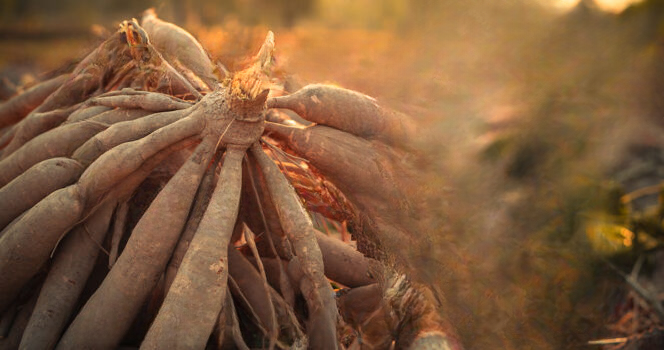
One example is cassava, a staple food enjoyed by millions of people worldwide. Although it provides valuable energy and nutrients, certain varieties contain compounds that can release cyanide if they are not processed properly.
Cassava is not the only food that requires care. From particular wild mushrooms to undercooked beans, understanding how to handle ingredients safely can help prevent avoidable illnesses.
Here are 10 foods worth knowing about and the precautions that make a difference.
1. Cassava: A Staple That Requires Proper Preparation
Cassava, also known as yuca or manioc, is an important source of calories in many parts of Africa, Asia, and South America. It grows well in challenging conditions and can be prepared in numerous ways.
However, some varieties naturally contain cyanogenic compounds that can release cyanide when improperly processed. Consuming inadequately prepared cassava can cause serious poisoning, and prolonged exposure to insufficiently processed cassava has been associated with neurological health problems.
The risk can be reduced through appropriate processing methods, which vary by variety and product. These may include peeling, soaking, fermenting, drying, and thorough cooking.
Safety tip: Never eat cassava raw or assume that a single preparation method makes every variety safe. Follow established preparation guidance for the particular product.
2. Pufferfish: A Delicacy Requiring Expert Preparation
Pufferfish, known as fugu in Japan, is a traditional delicacy that can contain tetrodotoxin, a powerful poison affecting the nervous system.
Poisoning may cause tingling, numbness, muscle weakness, and difficulty breathing. Severe cases can be fatal, and there is no specific antidote for tetrodotoxin poisoning.
In Japan, the preparation and sale of fugu are subject to licensing and regulatory requirements that vary by location.
Safety tip: Never prepare or consume wild-caught pufferfish yourself. Only obtain it from properly authorized establishments that follow applicable food-safety regulations.
3. Starfruit: A Concern for People With Kidney Disease
Starfruit is a tropical fruit recognized by its distinctive star-shaped slices. It contains vitamin C and other nutrients, but it can be dangerous for people with impaired kidney function.
The fruit contains a neurotoxin that healthy kidneys can generally eliminate. In people with kidney disease, the toxin may accumulate and cause confusion, persistent hiccups, seizures, and other serious complications.
Safety tip: People with chronic kidney disease should avoid starfruit unless their treating healthcare professional specifically advises otherwise.
4. Apple Seeds and Cherry Pits: Avoid Crushing Them
Apple seeds and the kernels inside certain fruit pits contain compounds that can release cyanide when crushed or chewed.
Accidentally swallowing an intact seed or pit is generally much less concerning than chewing or consuming large quantities of crushed kernels. Nevertheless, deliberately eating them is unnecessary and potentially dangerous.
Safety tip: Enjoy the fruit while avoiding its seeds and hard pits. If someone consumes a substantial quantity of crushed kernels, contact a poison-control service or healthcare professional promptly.
5. Green Potatoes: Signs of Possible Toxin Buildup
Potatoes exposed to light may develop green patches. The green pigment itself is chlorophyll, but greening can accompany increased levels of natural toxins called glycoalkaloids, including solanine.
Eating potatoes containing high concentrations of these substances may cause nausea, vomiting, abdominal pain, and diarrhea.
Safety tip: Store potatoes in a cool, dark place. Discard potatoes that are extensively green, heavily sprouted, damaged, or bitter rather than trying to salvage them.
6. Cashews: Why Processing Matters
Cashew nuts grow inside shells containing substances that can irritate the skin and cause reactions similar to those associated with poison ivy.
Commercial cashews are processed to make shell removal and consumption safe. Products labeled “raw” generally have not undergone roasting, but they are not equivalent to completely unprocessed nuts straight from the shell.
Safety tip: Purchase commercially prepared cashews and avoid opening or handling raw cashew shells yourself.
7. Nutmeg: A Spice Best Used in Small Amounts
Nutmeg adds flavor to baked goods, sauces, and seasonal drinks. However, consuming large quantities can cause poisoning because it contains compounds such as myristicin.
Excessive intake may lead to nausea, dizziness, rapid heartbeat, agitation, confusion, and hallucinations. Symptoms can be prolonged and may require medical attention.
Safety tip: Use nutmeg in ordinary culinary quantities. Do not consume large amounts in an attempt to produce psychoactive effects.
8. Death Cap Mushrooms: A Serious Foraging Hazard
The death cap mushroom (Amanita phalloides) is among the most dangerous poisonous mushrooms. Its toxins can cause severe liver damage and may lead to kidney failure or death.
One particularly concerning feature is that symptoms may be delayed. A person can initially feel better after gastrointestinal symptoms before serious organ damage becomes apparent.
Safety tip: Never eat a wild mushroom based solely on its appearance or an online photograph. Identification errors can be fatal. If poisoning is suspected, seek emergency medical assistance immediately.
9. Rhubarb Leaves: Eat the Stalks, Not the Leaves
Rhubarb stalks are commonly used in desserts, jams, and other recipes. Its leaves, however, contain oxalates and other compounds that can be harmful if consumed in sufficient quantities.
Ingestion may cause digestive symptoms and, in serious cases, kidney-related complications.
Safety tip: Use properly prepared rhubarb stalks and discard the leaves. Do not use the leaves as food.
10. Kidney Beans: Thorough Cooking Is Essential
Kidney beans contain a natural lectin called phytohaemagglutinin. Eating raw or inadequately cooked beans can cause nausea, vomiting, abdominal pain, and diarrhea.
Importantly, slow cookers may not reach temperatures sufficient to destroy this toxin, especially when dried beans have not been boiled first.
Safety tip: Soak dried kidney beans as directed, discard the soaking water, and boil them vigorously in fresh water for at least 10 minutes before simmering until fully tender. Follow package instructions for commercially prepared products.
Why Do People Continue Eating These Foods?
The risks associated with these foods vary considerably. Cassava is an essential staple for many communities, while pufferfish is valued as a culinary tradition. Other foods are widely consumed because their risks can be managed through proper preparation.
In some cases, danger depends on a person’s health. Starfruit, for example, presents a particular concern for people with kidney disease, whereas other foods can become hazardous when handled or cooked incorrectly.
Understanding these differences is more useful than assuming that every food on this list is inherently unsafe.
How to Make Safer Food Choices
A few practical habits can reduce many food-related risks:
- Follow reliable preparation and cooking instructions.
- Store food appropriately and discard questionable products.
- Avoid eating unfamiliar wild plants or mushrooms without expert identification.
- Use spices in normal culinary amounts.
- Check ingredient labels and seek medical guidance when dietary restrictions apply.
- Contact emergency services or a poison-control service if serious poisoning is suspected.
The Bottom Line
Some foods contain natural toxins, but that does not mean they must all be avoided. Many have safely nourished communities for generations because people developed effective methods of processing and preparation.
Cassava, kidney beans, and other ingredients demonstrate how important proper cooking and handling can be. Other foods, including death cap mushrooms and improperly prepared pufferfish, require much greater caution.
The key to food safety is understanding the specific risk, following reliable guidance, and knowing when an ingredient should be avoided altogether. With the right precautions, people can enjoy a wide variety of foods while reducing preventable health risks.