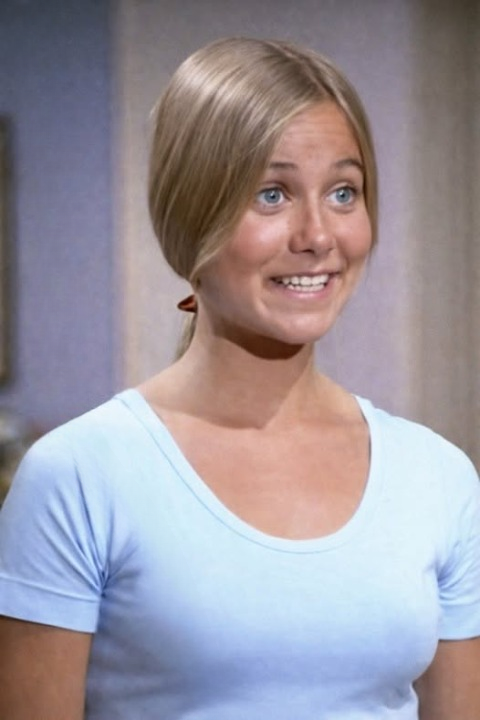
Few television shows have managed to leave a cultural imprint as lasting as The Brady Bunch. Premiering in 1969, the cheerful family sitcom introduced viewers to a blended household filled with laughter, small conflicts, life lessons, and the everyday adventures of growing up. Although the program originally aired for only five seasons, its impact on television culture has endured for decades.
Today, the series is widely recognized as one of the most memorable family sitcoms in American television history. Its theme song, colorful 1970s aesthetic, and relatable stories about siblings learning to live together have made it a nostalgic favorite for multiple generations.
Interestingly, the show’s journey to cultural icon status was not immediate. During its original broadcast run, ratings were modest, and the series did not dominate the television charts. However, its story did not end when the final episode aired in 1974. Through syndicated broadcasts and continued fan interest, the program found a much larger audience over time.
Behind the bright sets and cheerful storylines, the young cast formed genuine friendships, navigated the challenges of growing up in the public eye, and created memories that extended far beyond the television screen. These real-life experiences, combined with the show’s universal themes, helped transform a simple sitcom into a beloved part of entertainment history.
The Concept Behind the Show
At its core, The Brady Bunch revolved around a unique family structure that was somewhat unusual for television at the time.
The story followed a widowed architect named Mike Brady who married Carol Martin, a woman with three daughters. Together, they formed a blended family with six children living under one roof. The household also included their loyal housekeeper, Alice, who added humor and warmth to many episodes.
The Brady children included three boys—Greg, Peter, and Bobby—and three girls—Marcia, Jan, and Cindy. Each episode typically focused on a small conflict or misunderstanding between siblings that eventually led to an important lesson about kindness, responsibility, or cooperation.
The series presented family life in a gentle and optimistic way, often resolving conflicts with humor and thoughtful conversations. This tone reflected the type of wholesome storytelling that many television networks aimed to deliver during that era.
Although the show addressed everyday challenges such as sibling rivalry, school pressures, and friendships, it did so in a way that emphasized positive solutions and mutual understanding.
A Reflection of Its Time
When The Brady Bunch debuted in 1969, American society was experiencing significant cultural and social change. The late 1960s and early 1970s were marked by political debate, shifting social norms, and rapid transformations in entertainment.
Television often served as a form of comfort for viewers seeking lighthearted entertainment during uncertain times. The Brady household represented an idealized vision of family life—one where disagreements were temporary and love ultimately brought everyone together.
The show’s colorful fashion, cheerful music, and bright home interiors also reflected the popular design trends of the era. Wide collars, patterned shirts, and vibrant décor became visual trademarks of the program.
These elements helped create a recognizable atmosphere that still evokes nostalgia for the early 1970s.
The Cast That Brought the Family to Life
The success of The Brady Bunch depended heavily on the performances of its ensemble cast.
Actors portraying the Brady parents brought warmth and stability to the household, while the six young performers playing the children delivered lively and relatable portrayals of siblings learning to grow together.
Among the most recognizable young stars were:
-
Maureen McCormick, who played Marcia Brady
-
Barry Williams, who portrayed Greg Brady
-
Susan Olsen, who played the youngest daughter Cindy
Their performances helped define the personalities of the Brady children and contributed to the show’s enduring appeal.
Each character had distinct traits that audiences quickly recognized. Marcia was confident and popular, Jan often struggled with feelings of comparison, Cindy brought innocence and charm, Greg was the confident older brother, Peter had a sensitive personality, and Bobby was the playful youngest boy.
Together, these personalities created storylines that felt familiar to many viewers who had experienced sibling relationships in their own families.
Life Behind the Cameras
While the show depicted a harmonious family on screen, life behind the scenes was filled with the typical experiences of young actors growing up together during a busy television production.
The six child actors spent long hours filming episodes, attending rehearsals, and participating in promotional events. Over time, these shared experiences helped them form strong friendships that extended beyond the set.
Cast members have often described the production environment as supportive and playful. Like many groups of young people working together closely, they occasionally played harmless pranks and jokes during breaks in filming.
These moments helped create a relaxed atmosphere that made the set feel less like a workplace and more like a second home.
Because the actors were close in age to their characters, many of the friendships that appeared on screen reflected genuine connections between the performers.
Growing Up in the Spotlight
For the young stars of The Brady Bunch, appearing on a nationally broadcast television program meant experiencing childhood differently from most people.
Filming schedules, interviews, and public appearances became part of their daily lives. While the show’s family-friendly image brought them admiration from fans, it also meant navigating fame at a very young age.
Like many child actors, some cast members later spoke openly about the challenges that can accompany early fame. Adjusting to public attention, balancing personal development, and transitioning into adulthood were experiences that required resilience and support.
Despite these challenges, the shared memories of working on the show created a lifelong bond among many members of the cast.
Personal Challenges and Resilience
In later years, some cast members discussed personal struggles they faced after the series ended. For example, actress Maureen McCormick has spoken publicly about her journey through difficult periods involving mental health challenges and substance use.
Her willingness to discuss these experiences openly helped raise awareness about the pressures that young performers sometimes encounter.
Through determination and support, she eventually rebuilt her career and personal life, later sharing her story in interviews and memoirs. Her openness resonated with many fans who admired her honesty and resilience.
Stories like these illustrate that the lives of television stars can be as complex and challenging as those of anyone else.
Friendships That Lasted Decades
Despite the ups and downs of life after the show, many members of the The Brady Bunch cast remained connected long after the cameras stopped rolling.
Reunion specials, interviews, and anniversary celebrations frequently brought the group back together. These events allowed fans to see the actors reflect on their shared experiences and the impact the show had on their lives.
For many viewers, these reunions felt like visiting old friends. The familiar faces and warm interactions reminded audiences of the show’s central message: that family bonds—whether biological or chosen—can last a lifetime.
On-Screen Chemistry and Young Romance
Because several cast members were teenagers during the filming of the series, it was natural for friendships and crushes to develop among the young actors.
For instance, the on-screen chemistry between Maureen McCormick and Barry Williams sometimes reflected the friendly connection they shared in real life.
While these youthful dynamics occasionally added humor and energy to scenes, the cast generally maintained a professional approach to their work.
These stories later became part of the behind-the-scenes history that fans often enjoy hearing about during interviews and documentaries.
A Show That Found Success After It Ended
One of the most remarkable aspects of The Brady Bunch is how its popularity grew after the original broadcast ended.
During its initial run, the show achieved moderate success but was not considered a top-rated television program.
However, when reruns began airing on local television stations across the United States, a new generation of viewers discovered the series. Children watching after school quickly embraced the Brady family and their humorous adventures.
Syndication allowed the show to reach audiences repeatedly, creating familiarity and nostalgia.
Over time, the program evolved from a modest sitcom into a cultural icon.
Spin-Offs, Specials, and Adaptations
As the popularity of The Brady Bunch continued to grow, television producers explored ways to expand the franchise.
Several spin-off projects were created over the years, including animated versions and reunion specials featuring the original cast members.
Made-for-television movies revisited the characters as adults, exploring how the Brady children had grown and built families of their own.
Decades later, theatrical films inspired by the series introduced the Brady family to an entirely new audience. These adaptations often embraced humor and nostalgia while celebrating the show’s original charm.
Each new project demonstrated how strongly the Brady concept continued to resonate with viewers.
A Symbol of Nostalgia
For many people, The Brady Bunch represents more than just a television program—it symbolizes a particular era of entertainment.
The show’s cheerful theme song, memorable opening credits, and colorful style instantly transport viewers back to the early 1970s.
Because reruns aired for decades, multiple generations experienced the show at different stages of their lives. Parents who once watched the program as children often introduced it to their own kids years later.
This intergenerational appeal helped the series become part of shared cultural memory.
Why the Show Still Matters Today
Although television storytelling has evolved dramatically since the 1970s, many of the themes explored in The Brady Bunch remain relevant.
Blended families, sibling relationships, and the challenge of learning to live together are experiences that continue to resonate with modern audiences.
The show’s emphasis on communication, kindness, and understanding offers timeless lessons that still feel meaningful today.
Even in an era of complex dramas and fast-paced streaming content, the simplicity and warmth of classic family sitcoms hold a unique place in television history.
The Enduring Legacy of a Classic
More than fifty years after its debut, The Brady Bunch continues to occupy a special place in popular culture.
What began as a modest television series eventually became a symbol of nostalgic family entertainment. Through reruns, spin-offs, and cultural references, the Brady family has remained familiar to audiences around the world.
Behind the scenes, the friendships formed during the show’s production helped create a sense of authenticity that viewers could feel on screen.
Ultimately, the legacy of the series lies not only in its memorable characters or catchy theme song but also in the simple message it shared: that families—no matter how they are formed—can learn to grow, laugh, and support one another.
That timeless message is one reason the Brady family continues to be remembered with affection long after the final episode aired.