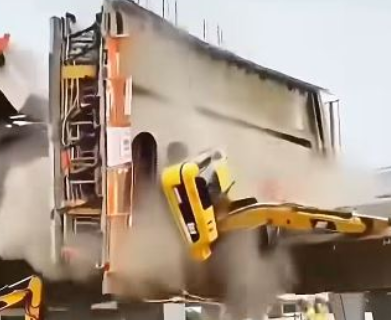
The collapse of South Korea’s Sampoong Department Store in 1995 and the Rana Plaza factory disaster in Bangladesh in 2013 are two of the deadliest incidents of structural failure in recent history. Both tragedies resulted in massive loss of life and exposed critical flaws in construction, safety oversight, and regulatory enforcement. They serve as cautionary tales for rapidly urbanizing nations and illustrate the consequences of prioritizing speed and profit over structural integrity and human safety.
Sampoong Department Store: A Case of Negligence
Located in the affluent Gangnam district of Seoul, the Sampoong Department Store was originally planned as a four-story residential apartment building. Construction began in 1987, a pivotal year for South Korea, marking both the nation’s transition to democracy and its emergence as a global economic player.
The project underwent multiple modifications during construction:
-
Change in Purpose: Owner Lee Joon converted the building from residential apartments to a commercial department store, necessitating structural adjustments.
-
Structural Alterations: Columns were removed to accommodate escalators, and additional floors were added despite warnings from contractors about overloading the support structure.
-
Air Conditioning Modifications: Heavy air-conditioning units, originally planned for a different location, were moved across the roof, causing stress fractures in the concrete columns.
By June 29, 1995, the building exhibited visible cracks. Despite this, the owner refused to evacuate the shopping crowd on a busy afternoon. At 5:52 PM, the roof collapsed, followed by the failure of support columns, resulting in the deaths of 502 people and injuries to nearly 1,000 others.
Subsequent investigations revealed widespread negligence and corruption. Inspections of other buildings in Seoul found that only one in fifty towers was structurally sound. The incident highlighted systemic issues in construction practices, regulatory oversight, and corporate accountability.
Urban Development and Economic Context
South Korea’s rapid postwar development transformed Seoul from a modest colonial city into a global metropolis of over 25 million residents. The Gangnam district, in particular, emerged as a hub of corporate investment and high-rise residential and commercial complexes.
The Sampoong disaster exemplifies the risks inherent in rapid urban expansion:
-
Construction Pressure: The desire to complete projects quickly and maximize profit often conflicted with safety standards.
-
Regulatory Weaknesses: Officials responsible for inspections sometimes overlooked violations due to bribery or political pressure.
-
Cultural Priorities: Nation-building and modernization were prioritized over individual safety, reflecting a broader societal ethos that valued rapid economic growth.
The Sampoong collapse remains a pivotal event in South Korea’s urban history, prompting stricter building codes and enhanced safety enforcement.
Rana Plaza: Labor Conditions and Structural Risk
Nearly two decades later, Bangladesh experienced a similar industrial tragedy. On April 24, 2013, the Rana Plaza building in Savar, near Dhaka, collapsed, killing 1,134 people and injuring over 2,500. The building housed five garment factories producing clothing for major global retailers.
Workers’ experiences illustrate the human cost of structural negligence:
-
Living Conditions: Many workers were young women who had migrated from rural areas, living in cramped, tin-roofed homes.
-
Working Conditions: Factories were overcrowded, and employees were often required to continue work despite visible structural cracks.
-
Corporate Pressure: Factory owners and subcontractors prioritized production deadlines over safety inspections, reflecting systemic issues in Bangladesh’s garment industry.
The disaster prompted international attention to labor standards, corporate accountability, and supply chain transparency in global fashion industries.
Commonalities Between the Two Disasters
Though occurring in different countries and decades apart, the Sampoong and Rana Plaza incidents share key factors:
-
Negligence in Construction: Both involved structural modifications or poor-quality materials that compromised the integrity of the buildings.
-
Regulatory Failures: Oversight agencies failed to enforce safety standards effectively, allowing unsafe buildings to operate.
-
Economic Priorities Over Safety: Decisions prioritized profit, deadlines, or prestige over human lives.
-
Lessons in Urbanization: Rapid development, especially in dense urban areas, increases the risk of structural failure if safety and regulations are ignored.
These similarities underscore the importance of robust safety policies, independent inspections, and corporate responsibility in urban and industrial development.
Broader Implications for Urban Planning
The Sampoong collapse provides historical context for cities undergoing rapid growth:
-
South Korea: Post-disaster, Seoul implemented stricter building codes, emergency evacuation protocols, and construction inspections.
-
Developing Economies: Countries such as China, India, and Bangladesh continue to experience challenges in balancing urbanization with safety, making lessons from Sampoong highly relevant.
The Rana Plaza disaster further highlighted the global dimension of industrial negligence, where supply chains in developed countries intersect with lax labor and safety regulations in developing nations.
Structural Integrity and Risk Management
Engineering experts stress several measures to prevent similar disasters:
-
Building Design Compliance: Adhering to architectural and structural plans, including load-bearing calculations and floor limits.
-
Material Quality Assurance: Using certified materials and testing for durability.
-
Regular Inspections: Independent audits and periodic reviews to identify cracks, stress points, or deviations from design.
-
Emergency Preparedness: Evacuation drills, safety signage, and contingency plans for high-occupancy buildings.
These measures can significantly reduce the risk of structural failure, especially in rapidly urbanizing areas.
Human Stories and Social Impact
Beyond statistics, both tragedies impacted communities deeply:
-
Families lost parents, children, and siblings.
-
Survivors faced physical injuries, trauma, and long-term psychological consequences.
-
Communities were forced to confront systemic corruption, unsafe working conditions, and ethical questions about urban development priorities.
In South Korea, the death of 502 individuals at Sampoong sparked national outrage and legal reforms. In Bangladesh, Rana Plaza became a global symbol for labor rights advocacy, leading to international agreements such as the Accord on Fire and Building Safety in Bangladesh.
Legacy and Lessons
Both incidents leave enduring lessons for urban planners, governments, and corporations:
-
Safety Cannot Be Compromised: Profit and expediency must never outweigh structural integrity or human life.
-
Transparent Governance: Independent inspections and anti-corruption measures are essential to ensure compliance.
-
Public Awareness: Educating workers, tenants, and the public about safety risks can empower communities to demand accountability.
-
Global Responsibility: Multinational companies sourcing products internationally must ensure that supplier safety standards meet ethical and legal obligations.
The sites of both disasters have since been rebuilt, yet the memory of those lost serves as a reminder that vigilance is necessary in every stage of construction and urban development.
Conclusion
The Sampoong Department Store and Rana Plaza disasters illustrate that rapid urban and industrial development carries inherent risks when safety and ethics are compromised. They highlight the human cost of negligence and the systemic changes needed to prevent repetition.
While Seoul has become a model of urban development, and Bangladesh continues to reform its garment industry, the lessons from these tragedies remain globally relevant. For any country pursuing rapid growth, history emphasizes one clear principle: human safety must be central to every building, every factory, and every urban planning decision.