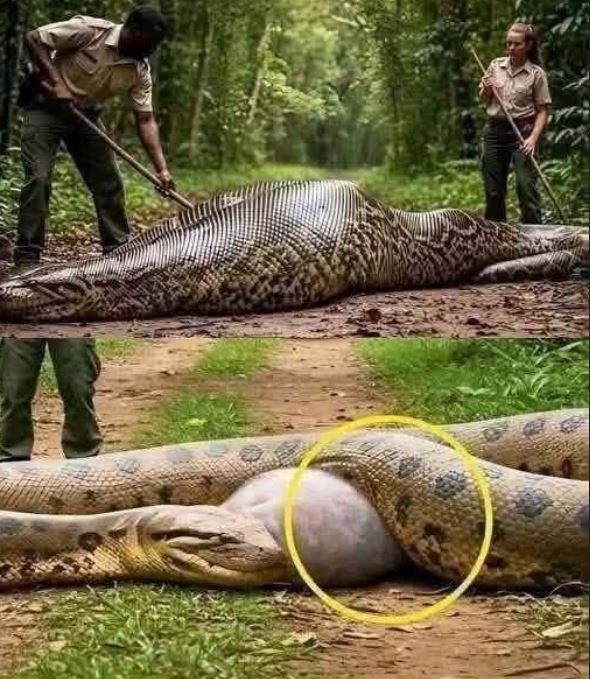
South America’s wetlands are among the richest natural environments on Earth. These remarkable ecosystems provide shelter for countless species, including the green anaconda (Eunectes murinus), one of the largest and heaviest snakes in the world.
Found throughout tropical South America, green anacondas depend on rivers, swamps, marshes, and seasonally flooded forests for survival. These aquatic habitats provide access to food, shelter, and suitable environments for reproduction.
However, increasing environmental pressures are threatening the natural ecosystems that support these impressive reptiles. Pollution, deforestation, agricultural expansion, and changing weather conditions are among the challenges affecting wetland wildlife.
Protecting green anacondas therefore requires more than focusing on one species. It means preserving entire ecosystems, supporting scientific research, and encouraging cooperation between governments, conservation organizations, and local communities.
1. Understanding the Green Anaconda
The green anaconda is a powerful, nonvenomous constrictor native to South America. It is particularly associated with the Amazon Basin, the Orinoco Basin, and other tropical freshwater environments.
Its olive-green body, decorated with dark oval markings, provides effective camouflage among aquatic vegetation and muddy surroundings.
Several physical characteristics make this snake especially suited to life in water. Its eyes and nostrils are positioned high on its head, allowing it to remain mostly submerged while observing its surroundings and breathing.
Its muscular body also makes swimming relatively easy, helping it move through rivers and flooded forests.
Green anacondas feed on different animals depending on their size and habitat. Their prey can include fish, birds, and various mammals.
Although their impressive size often attracts attention, these snakes generally prefer environments where they can remain concealed and avoid unnecessary encounters.
Understanding their natural behavior is important for developing effective conservation strategies.
2. Why South America’s Wetlands Matter
Wetlands are essential to the survival of green anacondas because they provide the environmental conditions these reptiles need.
Rivers, marshes, swamps, and flooded forests offer opportunities for hunting, shelter, movement, and reproduction.
These environments also support a remarkable variety of wildlife, including amphibians, fish, birds, mammals, and other reptiles.
Every species contributes to a complex ecological network. Changes affecting one part of the ecosystem can influence other organisms through food availability, competition, and habitat conditions.
For green anacondas, healthy wetlands provide access to suitable prey and protected areas where they can spend much of their time.
When these habitats become polluted, drained, or fragmented, the natural balance can be disrupted.
This is why wetland conservation benefits far more than an individual snake species. Protecting these environments helps preserve biodiversity across entire regions.
3. The Ecological Importance of Green Anacondas
As large predators, green anacondas play a role in maintaining the natural balance of their habitats.
By feeding on different animals, they participate in food-web relationships that influence prey populations and ecosystem dynamics.
Predators are an important part of healthy natural environments because they contribute to the complex interactions between species.
Green anacondas are also connected to other wildlife through their own place in the food web. Younger snakes may face threats from various predators, while adult individuals can be affected by human activity and environmental changes.
Their presence provides another example of the biodiversity supported by healthy freshwater ecosystems.
Protecting green anacondas also means protecting the numerous plants and animals that share their environment.
4. Pollution Is Becoming a Concern for Wetland Wildlife
Pollution is one of the environmental problems affecting freshwater habitats around the world.
Plastic bags, bottles, discarded fishing equipment, household waste, and other materials can enter rivers and wetlands through improper disposal and human activities.
Once these materials reach natural environments, they can remain there for extended periods.
Wild animals may become trapped in discarded objects or accidentally consume materials while searching for food. These situations can lead to injuries, digestive problems, and other health complications.
Green anacondas live in environments where water quality and surrounding vegetation are important for survival. Pollution can therefore affect their habitats directly and influence the availability and condition of other wildlife.
Reducing waste, improving wastewater management, and organizing community cleanup initiatives are practical steps toward protecting these ecosystems.
Environmental monitoring is equally important because scientists need reliable information to understand how pollution affects wildlife populations over time.
5. Habitat Destruction and Fragmentation
The loss of natural habitat represents another significant challenge for South American wildlife.
Agricultural expansion, road construction, urban development, and changes in land use can damage wetlands and surrounding vegetation.
When large natural areas become divided into smaller sections, wildlife may lose access to important feeding and breeding locations.
Fragmentation can also make movement between suitable habitats more difficult.
For green anacondas, maintaining connected aquatic environments is especially important because their daily activities are closely associated with freshwater habitats.
Conservation efforts should therefore consider entire wetland landscapes rather than focusing exclusively on small protected areas.
Restoring damaged vegetation, maintaining natural waterways, and limiting unnecessary destruction can help improve habitat conditions for many species.
6. The Role of Wildlife Rangers and Veterinarians
Wildlife professionals play an essential role in protecting animals living in natural environments.
Park rangers, biologists, and conservation officers help monitor habitats, identify environmental threats, and respond to reports of animals in distress.
Veterinarians provide specialized medical care when wildlife suffers injuries or requires treatment.
Handling an adult green anaconda is not a task for untrained individuals. These snakes are extremely strong, and attempting to capture or restrain one can put both people and the animal at risk.
If someone encounters an injured or trapped anaconda, the safest response is to maintain a reasonable distance and contact qualified wildlife authorities.
Professional specialists can assess whether intervention is necessary and determine the most appropriate course of action.
When medical treatment is required, veterinarians can evaluate the animal’s condition and monitor its recovery.
Returning an animal to the wild should only happen when professionals determine that it is healthy enough and that suitable habitat is available.
7. Scientific Research Supports Better Conservation
Effective wildlife protection depends on accurate scientific information.
Researchers study green anacondas to understand their distribution, movement patterns, habitat requirements, and responses to environmental changes.
Field observations and long-term monitoring help scientists identify important habitats and recognize possible population changes.
Modern technology has also improved wildlife research.
Satellite imagery and remote sensing can help identify changes in wetland size, vegetation, and water availability.
Camera traps provide information about wildlife activity, while radio telemetry can help researchers study animal movements in carefully designed projects.
Another useful technique is environmental DNA, commonly called eDNA. This approach involves analyzing genetic material left behind in water or other environmental samples to help detect the presence of particular species.
These scientific methods can provide valuable information without requiring researchers to capture animals unnecessarily.
Long-term studies are especially important because environmental changes and population trends may develop gradually.
8. Climate Change and Its Effects on Wetlands
Climate change creates additional challenges for freshwater ecosystems throughout South America.
Changes in rainfall, temperature, and seasonal flooding can influence the availability and condition of wetland habitats.
Extended droughts may reduce water levels, while unusually heavy rainfall can alter vegetation and affect the distribution of aquatic wildlife.
Because green anacondas depend heavily on freshwater environments, significant changes in wetland conditions may influence where they can find food and suitable shelter.
Climate-related pressures can also affect fish, amphibians, birds, and mammals that form part of the same ecosystem.
Conservation programs can help improve resilience by protecting important wetlands, restoring damaged landscapes, and monitoring environmental conditions.
Maintaining connections between natural habitats may also allow wildlife to move when local conditions change.
9. Why Local Communities Are Essential
Long-term conservation cannot succeed through government policies and scientific research alone.
People living near wetlands often have valuable knowledge about local wildlife, seasonal flooding, and environmental changes.
Their participation can help identify problems early and improve the effectiveness of conservation projects.
Community-based initiatives may include:
- Organizing cleanup activities around rivers and wetlands.
- Teaching children about local wildlife and biodiversity.
- Encouraging responsible fishing practices.
- Improving household waste disposal.
- Reporting injured wildlife to appropriate authorities.
- Supporting habitat restoration projects.
- Promoting sustainable use of natural resources.
These activities help create a stronger relationship between local residents and the environments they depend on.
Conservation programs are often more sustainable when communities participate in planning and decision-making.
10. Responsible Tourism Can Support Wildlife Protection
South America’s wetlands attract visitors interested in wildlife photography, nature exploration, and outdoor activities.
When carefully managed, tourism can create economic opportunities while increasing awareness of environmental conservation.
However, responsible wildlife tourism requires clear rules.
Visitors should follow local guidance, remain at safe distances from animals, and avoid disturbing natural habitats.
Feeding, chasing, touching, or attempting to photograph wildlife at close range can create unnecessary stress and potentially dangerous situations.
This is particularly important when observing large reptiles such as green anacondas.
Local guides and tourism operators can help visitors understand animal behavior and the importance of preserving wetland environments.
When tourism is managed responsibly, it can provide incentives for protecting natural areas and supporting local conservation initiatives.
11. International Cooperation and Wetland Protection
Green anacondas inhabit several countries across South America, making regional cooperation valuable for their conservation.
Environmental problems such as pollution, habitat destruction, and climate change can affect large interconnected ecosystems.
Rivers and wetlands do not necessarily follow national borders, so conservation planning often benefits from cooperation between neighboring countries.
International agreements also provide important frameworks for environmental protection.
The Ramsar Convention, for example, promotes the conservation and wise use of wetlands around the world.
Governments, research institutions, environmental organizations, and local communities can work together through scientific exchanges, habitat restoration, and stronger environmental management.
Coordinated action helps ensure that conservation projects support entire ecosystems rather than isolated locations.
12. How Ordinary People Can Help
Protecting South America’s wetlands may seem like a responsibility reserved for scientists and environmental authorities, but individual actions can also contribute.
People can help by reducing unnecessary plastic consumption, disposing of waste responsibly, and supporting reputable wildlife conservation organizations.
Visitors to natural areas should follow environmental guidelines and avoid disturbing animals.
Sharing accurate information about green anacondas can also help replace misconceptions with a better understanding of their ecological importance.
Schools and community organizations can encourage environmental education and introduce younger generations to the importance of biodiversity.
Small actions become more powerful when communities practice them consistently.
Final Thoughts: Protecting Green Anacondas Means Protecting Their Entire Ecosystem
Green anacondas are among the most remarkable animals found in South America’s freshwater environments. Their survival depends on healthy wetlands that provide suitable conditions for feeding, shelter, and reproduction.
However, pollution, habitat destruction, climate change, and human disturbance continue to create challenges for wildlife throughout the region.
Protecting these impressive reptiles requires a combination of scientific research, habitat restoration, responsible tourism, and community participation.
Governments and conservation organizations have important responsibilities, but local residents and visitors also have opportunities to contribute.
Ultimately, preserving green anacondas means preserving the rivers, marshes, flooded forests, and interconnected wildlife communities that make South America’s wetlands so valuable.
By protecting these ecosystems today, we can help maintain their extraordinary biodiversity for future generations.