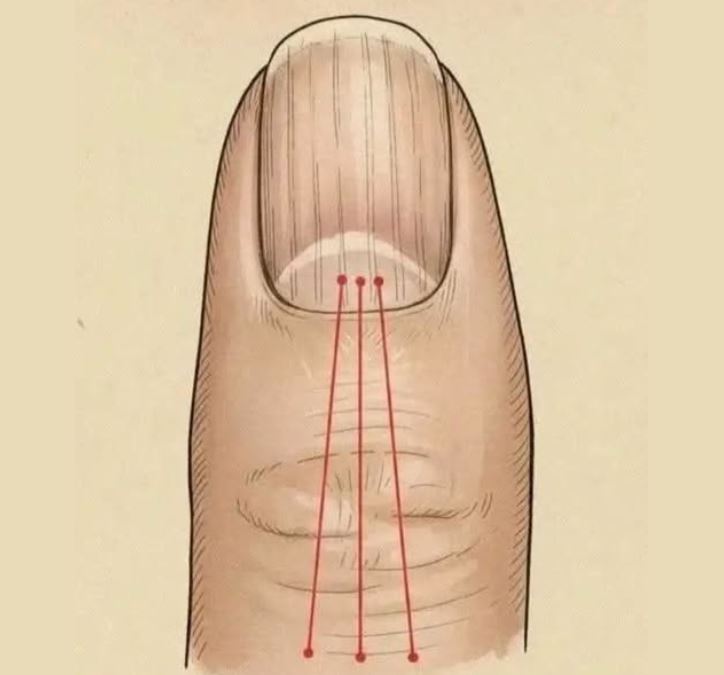
Your fingernails can reveal more about your general health than you might expect. Although changes in nail appearance are often harmless, certain patterns, colors, and textures may sometimes provide clues about what is happening inside your body.
Nails grow gradually, and their appearance can be influenced by several factors, including age, nutrition, everyday habits, illness, and certain medications. This means that unusual lines or changes in texture do not automatically indicate a medical problem, but they can be worth paying attention to.
Understanding the difference between ordinary nail changes and potentially concerning symptoms can help you make informed decisions about your health.
1. Vertical Ridges: A Common Change as You Age
Vertical ridges are among the most frequently noticed changes in fingernails. They appear as thin lines running from the base of the nail toward the tip.
For many people, these ridges become more noticeable with age. They are generally harmless, particularly when the nails maintain their normal color, thickness, and overall appearance.
Dryness and repeated exposure to water, soaps, and cleaning products can also make ridges more visible.
However, if vertical ridges develop alongside brittle nails, unusual thinning, discoloration, or changes in shape, it may be worth discussing them with a healthcare professional.
In some situations, nail changes can occur alongside nutritional deficiencies, skin conditions, or other health concerns.
2. Horizontal Lines May Reflect Previous Illness
Horizontal grooves are sometimes called Beau’s lines. Unlike vertical ridges, these marks extend across the width of the nail.
They develop when normal nail growth temporarily slows or stops because the nail matrix, which produces the nail plate, has been affected.
Possible contributing factors include:
- Severe infections or illnesses accompanied by high fever.
- Significant physical stress.
- Certain metabolic conditions.
- Chemotherapy and some other medical treatments.
- Serious nutritional or systemic health problems.
Because fingernails grow slowly, a horizontal groove may become visible weeks after the illness or event that caused it.
When similar grooves appear on several nails, it can suggest that a broader health event affected nail growth.
However, the appearance of these lines alone cannot identify the original illness. A medical professional can help interpret them alongside other symptoms and medical history.
3. Spoon-Shaped Nails and Possible Iron Deficiency
Another nail change worth recognizing is koilonychia, commonly known as spoon nails.
This condition causes the nail to become unusually thin and curve inward, creating a shape resembling a small spoon.
One possible association is iron-deficiency anemia, a condition in which the body does not have enough healthy red blood cells to carry oxygen effectively.
Other symptoms of iron deficiency may include tiredness, weakness, dizziness, and pale skin.
However, spoon-shaped nails can have other causes, and not everyone with iron deficiency develops this appearance.
If you notice significant changes in nail shape, especially alongside persistent fatigue, it is sensible to seek medical advice. A blood test may help determine whether an iron deficiency is present.
4. Brittle or Rough Nails Can Have Several Causes
Nails that split, peel, or break easily are another common concern.
Sometimes the explanation is simple. Frequent handwashing, cleaning products, nail polish removers, and repeated exposure to moisture can weaken the nail surface.
Other possible contributors include nutritional deficiencies, thyroid disorders, certain skin conditions, and the effects of aging.
A rough or sandpaper-like nail surface may also occur with inflammatory skin conditions such as psoriasis.
The important point is to consider whether the change is temporary or persistent.
If several nails suddenly become brittle or develop unusual textures without an obvious explanation, a healthcare professional can help investigate possible causes.
5. Dark Lines Under the Nails Deserve Attention
Dark streaks beneath the nails can develop for different reasons.
In some cases, they result from minor injuries, pigmentation changes, or harmless conditions.
However, a new dark line affecting a single nail should not automatically be dismissed, particularly if it gradually becomes wider, changes color, or extends onto the surrounding skin.
In rare cases, a dark nail streak can be a sign of subungual melanoma, a type of skin cancer that develops beneath the nail.
Other warning signs include unexplained bleeding, nail damage, or a dark mark that changes over time.
Not every dark streak is dangerous, but an unexplained or changing mark should be assessed promptly by a dermatologist.
6. When Should You Be Concerned About Nail Changes?
Most nail ridges and minor changes are not signs of serious disease.
Nevertheless, certain developments deserve professional attention.
Consider arranging a medical evaluation if you notice:
- New or unexplained dark streaks.
- Persistent changes in nail color or thickness.
- Nails separating from the nail bed.
- Unusual grooves appearing across several nails.
- Pain, swelling, or redness around the nails.
- Changes in nail shape accompanied by other health symptoms.
- Nail abnormalities that continue to worsen.
Sudden changes involving several nails may sometimes reflect an illness or medication-related effect.
If you experience severe pain, spreading redness, pus, or signs of infection, seek medical care promptly.
7. Simple Ways to Maintain Healthy Nails
Although not every nail condition can be prevented, everyday care can help protect the nails and reduce unnecessary damage.
Here are some practical habits:
Keep your nails moisturized. Applying hand cream or cuticle moisturizer regularly can help reduce dryness and brittleness.
Avoid excessive exposure to harsh chemicals. Wear protective gloves when handling household cleaning products.
Trim nails carefully. Keep them at a comfortable length and avoid cutting or pushing back the cuticles aggressively.
Maintain a balanced diet. Include a variety of foods containing protein, iron, zinc, and other essential nutrients.
Avoid frequent nail damage. Excessive filing, artificial nails, and repeated use of harsh removers can weaken the nail plate.
Pay attention to changes. Taking occasional photographs can help you notice whether an unusual mark or groove is changing over time.
These habits support nail health, although they cannot replace medical treatment when an underlying condition is present.
8. Why a Balanced Diet Matters
Healthy nail growth depends on several nutrients.
Protein provides the building blocks needed for nail structure, while iron and zinc contribute to normal cellular functions.
A balanced diet containing vegetables, fruits, whole grains, legumes, eggs, fish, and other protein sources can help provide the nutrients your body needs.
However, taking supplements without knowing whether you have a deficiency is not always helpful.
For example, excessive intake of certain vitamins and minerals can cause unwanted effects.
If you suspect a nutritional deficiency, a healthcare professional can recommend appropriate testing and treatment.
Final Thoughts: Your Nails Are Worth Paying Attention To
Fingernail lines and ridges are common, and most are harmless. Vertical ridges frequently develop with age, while horizontal grooves may sometimes reflect a temporary interruption in nail growth caused by illness, physical stress, or medical treatment.
Other changes, such as spoon-shaped nails, persistent brittleness, unusual discoloration, or unexplained dark streaks, may deserve closer examination.
The most important thing is to look at the overall pattern rather than focusing on one line or mark.
Your nails cannot diagnose a medical condition, but changes in their appearance can sometimes provide useful clues about your health.
Taking care of your nails, maintaining a balanced diet, and seeking medical advice when unusual changes occur are sensible steps toward protecting your overall well-being.
Sometimes, a small change is simply part of getting older. Other times, it is worth asking a healthcare professional to take a closer look.