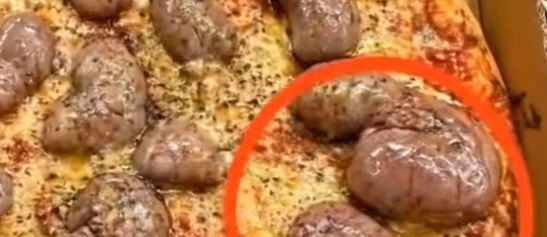
A freshly delivered pizza is usually a welcome sight after a long day. The familiar combination of golden crust, tomato sauce, melted cheese, and warm toppings makes it a popular choice for an easy meal. But occasionally, something about its appearance can catch a person’s attention.
One example is cheese covered in numerous small, raised bubbles. Instead of looking completely smooth, the surface may appear uneven, with tiny rounded shapes that resemble little domes.
At first, this unusual texture might raise questions. Is the cheese overcooked? Has something gone wrong during preparation? Could the ingredients be spoiled?
In many cases, however, small bubbles on melted pizza cheese are simply the result of how cheese reacts to heat. Understanding the process can make this ordinary baking effect much less mysterious.
What Causes Small Bubbles on Pizza Cheese?
Cheese contains several components, including water, fat, and proteins. When it is exposed to the high temperatures of a pizza oven, these components change in response to the heat.
As the cheese warms, its fat melts and its structure becomes softer. Moisture inside the cheese also heats up and can turn into steam. When that steam becomes trapped beneath the surface, it may create small pockets that push the melted cheese upward.
If the surrounding cheese becomes firm before the pockets release their steam, the raised shapes can remain visible as the pizza cools.
This is one reason mozzarella can develop a bubbly appearance during baking. The exact result depends on factors such as moisture content, cheese composition, oven temperature, and baking time.
Rather than indicating a problem by itself, this texture can be a normal part of the cooking process.
Why High Oven Temperatures Matter
Pizza is often cooked at higher temperatures than many other everyday dishes. Traditional pizza ovens can reach temperatures that allow the dough to cook quickly while the cheese melts and the toppings heat through.
The combination of heat and moisture creates conditions in which bubbles may form.
Several processes can contribute:
- Moisture heating: Water inside the cheese becomes hot and may produce steam.
- Fat melting: Milk fat softens and spreads as the cheese heats.
- Protein changes: Heat affects the structure of cheese proteins, influencing how the melted cheese holds its shape.
- Steam expansion: Trapped moisture can create pressure beneath the surface, producing raised areas.
Not every pizza develops the same pattern. Some cheeses melt into a relatively smooth layer, while others produce small bubbles, larger blisters, or uneven patches.
The type of mozzarella, how it is prepared, and the conditions inside the oven can all influence the final appearance.
Understanding the Difference Between Bubbles and Other Changes
An unusual appearance does not automatically mean food is unsafe. At the same time, it is important not to assume that every unexpected change is harmless.
Small bubbles caused by baking are different from signs of spoilage or contamination. Looking at the overall condition of the pizza is more useful than judging it by one visual detail.
Here are some general differences to consider:
Small, Raised Cheese Bubbles
Tiny rounded areas across melted cheese may develop during normal baking. They can be especially noticeable when the pizza has been cooked at high temperatures.
If the pizza otherwise looks and smells normal and has been handled appropriately, the bubbles alone are not generally a reason to suspect contamination.
Dark or Burnt Areas
Brown spots and darker patches can occur when cheese is exposed to intense heat. Some browning is common in baked cheese, although excessive burning can affect taste and texture.
Burnt areas are not the same as raised steam bubbles.
Unusual Odors or Visible Mold
A sour, rotten, or otherwise unusual smell may indicate that food should not be eaten. Visible mold on a freshly prepared pizza is also a reason to avoid consuming it.
Do not taste food to determine whether it is safe when there are signs of possible spoilage.
Possible Foreign Material
If an object appears to be mixed into the cheese or attached to the food, do not assume it is part of the cooking process. Stop eating and contact the restaurant or retailer for clarification.
The appearance of an unfamiliar object should be assessed separately from ordinary changes caused by heat.
Does Bubbly Cheese Mean the Pizza Is Overcooked?
Not necessarily. Small bubbles can develop even when a pizza has been prepared properly.
Cooking temperature is only one part of the explanation. The cheese itself also matters. Mozzarella varieties differ in moisture, fat, and protein composition, so they do not all respond to heat in exactly the same way.
For example, a cheese with more available moisture may behave differently from a lower-moisture variety. The distribution of cheese across the dough and the time spent in the oven can also affect the surface.
A pizza with a bubbly cheese layer may still have a pleasant texture and flavor. Whether it is overcooked depends on the overall result, including the condition of the crust, toppings, and cheese.
Why Mozzarella Is Commonly Used on Pizza
Mozzarella is popular because of its melting characteristics and mild flavor. When heated, it softens and forms the familiar stretchy layer associated with many pizza styles.
There are different types of mozzarella, and their moisture levels can vary.
Fresh mozzarella generally contains more moisture than low-moisture mozzarella. The latter is commonly used in many pizza preparations because it produces a different melting texture and is easier to distribute consistently.
Both varieties can react differently during baking. Depending on the recipe and oven conditions, the cheese may spread smoothly, form small bubbles, or develop larger browned patches.
These variations are part of the reason pizzas from different restaurants can look and taste noticeably different.
What to Do If Your Pizza Looks Unusual
If a delivered pizza has a surface you do not recognize, taking a moment to inspect it is reasonable.
Start by looking at the entire pizza rather than focusing only on the cheese texture. Consider whether the crust appears properly baked, whether the toppings look normal, and whether the food has an unusual odor.
If the only difference is a pattern of small bubbles in the melted cheese, it may simply be a result of high-temperature baking.
However, if something appears spoiled, contaminated, or improperly prepared, it is safer not to eat it. Contact the restaurant and explain what you noticed. A photograph can help communicate the concern.
Food should also be handled and stored appropriately after delivery. Perishable foods should not be left at room temperature for extended periods, and leftovers should be refrigerated promptly.
When there is genuine uncertainty about food safety, it is better to seek clarification than to take unnecessary risks.
The Science Behind an Everyday Food Experience
The appearance of food can sometimes be surprising, especially when a familiar meal looks different from what we expect. Yet many unusual textures have straightforward explanations rooted in cooking.
Small bubbles on pizza cheese are one example. Heat changes the moisture, fat, and proteins in cheese, and steam can become trapped beneath the surface as the cheese cooks. The result may be a layer of tiny raised shapes that remain visible after baking.
The next time a pizza arrives with a slightly bubbly cheese surface, remember that this can be a normal effect of the baking process. A visual difference alone does not establish that the food is spoiled or unsafe.
Understanding how ingredients respond to heat helps explain why even a simple meal can produce unexpected results. Sometimes, what first looks unusual is simply part of the science happening inside the oven.