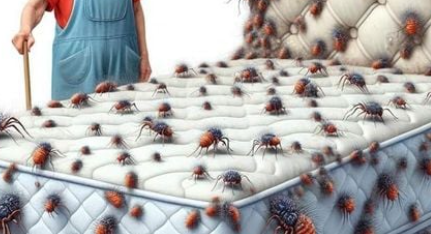
Dust mites are tiny, invisible organisms that live in bedding, mattresses, and soft furnishings. While they can’t be seen with the naked eye, their presence can trigger allergies, skin irritation, and breathing problems—especially for people sensitive to indoor allergens.
The good news? You don’t need harsh chemicals to reduce them. Simple daily habits and consistent cleaning can make a big difference.
Why Dust Mites Thrive in Your Bed
Your bed is the perfect environment for dust mites because it provides:
-
Warmth from body heat
-
Moisture from sweat
-
Dead skin cells for food
This combination creates an ideal space for them to multiply quickly, especially if bedding is left undisturbed for long periods.
The Simple Habit Most People Ignore
One of the easiest and most effective ways to reduce mites is something many people skip:
Don’t make your bed immediately after waking up.
Leaving your bed unmade for a while allows:
-
Air circulation to reduce humidity
-
Sunlight to reach sheets and surfaces
-
Moisture to evaporate
Sunlight acts as a natural disinfectant, helping to dry out fabrics and make conditions less favorable for mites. Opening windows can further improve airflow and freshness.
Wash Bedding the Right Way
Regular washing is essential, but temperature matters.
-
Wash sheets, pillowcases, and blankets once a week
-
Use hot water (at least 60°C / 140°F) to effectively kill mites
-
Dry thoroughly, preferably in sunlight or a hot dryer
Don’t forget items like curtains and mattress covers, which can also collect dust and allergens over time.
Protect Your Mattress and Pillows
Dust mites love to hide deep inside mattresses and pillows, where cleaning is difficult.
Using dust-mite-proof covers can help by:
-
Creating a barrier that prevents mites from entering or escaping
-
Reducing exposure to allergens
-
Extending the cleanliness of your bedding
These covers are especially helpful for people with allergies or asthma.
Keep Your Bedroom Clean
Regular cleaning reduces the buildup of dust and mite-related allergens. Focus on:
-
Vacuuming carpets and rugs frequently
-
Cleaning mattresses and upholstered furniture
-
Dusting surfaces with a damp cloth to avoid spreading particles
If possible, use a vacuum with a HEPA filter for better allergen control.
Reduce Humidity Levels
Dust mites thrive in humid environments. Keeping your bedroom dry can significantly reduce their population.
You can do this by:
-
Opening windows daily for ventilation
-
Using a dehumidifier if needed
-
Avoiding excessive indoor moisture
A cooler, drier room is far less inviting for mites.
Why Consistency Matters
Getting rid of dust mites isn’t a one-time fix—it requires ongoing habits. Small daily actions, combined with weekly cleaning routines, gradually transform your bedroom into a healthier space.
Over time, you may notice:
-
Fewer allergy symptoms
-
Better sleep quality
-
A fresher, cleaner environment
Conclusion
Dust mites may be unavoidable, but they don’t have to take over your bed. By using natural methods like sunlight, airflow, and proper cleaning, you can significantly reduce their presence without relying on chemicals.
Sometimes, the simplest solutions—like leaving your bed unmade for a while—can be the most effective.