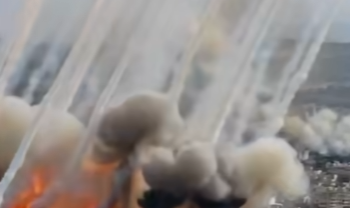
On the morning of February 28, 2026, long-standing tensions between the United States, Israel, and Iran escalated into full-scale military conflict. Coordinated airstrikes targeted multiple locations across Iran, including military installations, missile infrastructure, and nuclear facilities. The operation, now referred to as Operation Epic Fury, has profoundly reshaped the geopolitical situation in the Middle East, triggered global energy market disruptions, and resulted in significant civilian and military casualties.
As of March 23, 2026 — the 24th day of the conflict — fighting shows no signs of abating, and the human toll continues to mount on all sides.
Background: Escalating Tensions
The path to conflict did not begin in February 2026. Tensions between the United States, Israel, and Iran had been intensifying since 2023. Notable developments included:
- 2024: A series of missile exchanges and smaller military incidents heightened distrust and military readiness on all sides.
- June 2025: A brief twelve-day confrontation led to substantial damage to Iranian nuclear facilities, further straining diplomatic relations.
- Early 2026: Widespread domestic protests in Iran, described by observers as the largest since the Iranian Revolution, were met with a violent crackdown by security forces. Thousands were killed, escalating internal and international pressure.
In response, the United States authorized a military buildup in the region, signaling that potential conflict was imminent. Diplomatic efforts continued through mid-February 2026, including negotiations that raised hopes of an agreement on uranium enrichment and nuclear oversight. However, these efforts ultimately failed to prevent hostilities.
Operation Epic Fury and Immediate Effects
On February 28, American and Israeli forces launched Operation Epic Fury. The coordinated strikes focused on strategic targets, including:
- Missile launch sites and storage facilities
- Military command centers
- Naval vessels
- Nuclear research and enrichment facilities
One of the most consequential early events was the confirmed death of Supreme Leader Ali Khamenei, Iran’s spiritual and political leader since 1989. Iranian state media reported his death on March 1, 2026, marking a profound moment in the conflict and creating uncertainty about Iran’s leadership structure moving forward.
Iran responded swiftly, launching hundreds of ballistic missiles and drones targeting Israel and U.S. military bases throughout the Middle East. The strikes also affected civilian and commercial infrastructure in neighboring countries and prompted Iran to announce partial closure of the Strait of Hormuz, a critical global shipping route for oil.
Regional Impact
Iran
By March 17, independent monitoring organization HRANA reported over 3,100 deaths in Iran, including more than 1,300 civilians. Among the victims were at least 200 children. Over 12,000 individuals were reported wounded, and 29 medical facilities were damaged, with ten forced to close completely. One of the deadliest single incidents occurred in Minab, where a strike on an elementary school resulted in over 170 fatalities, primarily children.
Healthcare systems faced severe strain, with hospitals struggling to manage casualties and maintain essential services amidst continued attacks.
Israel
Iranian missile strikes targeted multiple Israeli cities, including Tel Aviv, Jerusalem, Dimona, Arad, Beersheba, and Eilat. Israel’s air defense systems intercepted the majority of incoming threats, but some strikes penetrated defenses. Notable incidents included:
- March 1: Nine Israeli civilians killed in Beit Shemesh during a missile strike on a residential area.
- March 21–22: Missiles hit Dimona and Arad, near Israel’s nuclear research facility, wounding over 100 civilians.
Israeli authorities responded with airstrikes against Iranian-backed forces and continued defensive operations to protect population centers.
United States
American military personnel experienced casualties as well, with 13 confirmed killed by Iranian attacks across the region. An additional six crew members died in a U.S. refueling aircraft crash in western Iraq on March 13. U.S. forces also conducted extensive air and naval operations, targeting hundreds of Iranian military and naval assets, including the sinking of 50 Iranian naval vessels.
Broader Regional Spillover
Other regional actors became involved, directly or indirectly:
- Hezbollah: Launched missile and drone attacks from Lebanon, prompting Israeli counterstrikes. Over one million people were displaced, and the death toll in Lebanon exceeded 1,000.
- Bahrain and Saudi Arabia: Engaged defensive measures, intercepting dozens of missiles and drones launched from Iranian territory.
- Turkey: An Iranian ballistic missile entered Turkish airspace, leading to consultations within NATO.
- United Kingdom: Allowed U.S. operations from joint military bases, drawing warnings from Iranian officials.
Economic and Global Consequences
The conflict disrupted global energy markets immediately. Key infrastructure in Qatar, including liquefied natural gas facilities, suffered damage, reducing output by approximately 17 percent. Dubai International Airport was damaged and temporarily shut down due to drone strikes. Financial markets worldwide reacted with sharp volatility as uncertainty over oil supply and regional stability increased.
The closure of the Strait of Hormuz further compounded energy concerns, as this waterway facilitates a significant portion of global oil transportation. International shipping companies and maritime authorities have heightened security measures and rerouted vessels where possible.
International Response
Reactions to the conflict have been mixed:
- United Nations and non-involved countries: Condemned the initial strikes as violations of international law.
- Spain: Refused U.S. military base access, prompting potential trade tensions.
- Legal experts: Raised concerns regarding the legality of preemptive strikes conducted while diplomatic negotiations were ongoing.
Within the United States, Congress has sought clarity on an exit strategy and rules of engagement. Public debate continues over whether further escalation is likely or necessary to achieve strategic objectives.
Humanitarian Concerns
The humanitarian impact is significant and growing. Hospitals, schools, and civilian infrastructure have been damaged, leaving millions in need of assistance. International aid organizations have expressed concern over:
- Displacement of civilians, particularly children and vulnerable populations
- Shortages of medical supplies and food
- Risk of regional humanitarian crises if the conflict spreads further
Current Situation and Outlook
As of March 23, 2026, the following developments characterize the ongoing conflict:
- Active military operations continue across multiple fronts.
- Iran maintains partial closure of the Strait of Hormuz.
- Regional allies and proxies, including Hezbollah and Iranian-backed militias, remain engaged.
- Diplomatic efforts have stalled, with little progress toward ceasefire or negotiated resolution.
The situation remains fluid, with the potential for escalation or extended regional involvement. Analysts emphasize the importance of monitoring leadership succession in Iran, potential retaliatory strikes, and the broader geopolitical consequences of continued military action.
Conclusion
The 2026 conflict between the United States, Israel, and Iran has already reshaped the Middle East. The human, economic, and political costs are extensive, affecting multiple nations and populations. With thousands of civilian and military casualties reported, infrastructure damaged, and international tensions high, the situation demands careful observation and informed reporting.
Global leaders, humanitarian agencies, and affected communities are closely monitoring the developments, as the outcome of this conflict will influence regional stability, international law, and global security for years to come.