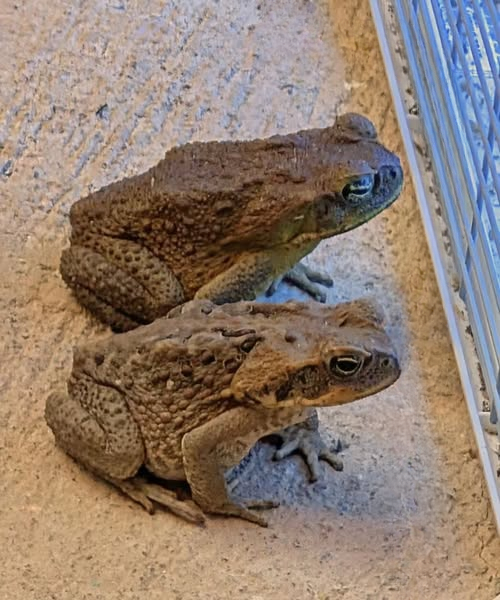
If you’ve ever spotted a toad in your garden or even inside your home, your first instinct may have been surprise—or even alarm. Toads aren’t exactly glamorous visitors, and their warty appearance can be off-putting at first glance. Yet, the presence of these quiet amphibians often carries a deeper significance, both biologically and symbolically. In fact, a toad’s appearance is rarely random. It is usually a sign that something important is happening in your environment—sometimes good, sometimes requiring attention, but always meaningful.
In this article, we’ll explore why toads might come into your yard or home, what their presence indicates about your ecosystem, their practical role in nature, and the rich symbolism associated with these fascinating creatures. By the end, you may even find yourself viewing toads as small, unexpected allies.
Toads and Their Preferred Habitat
Toads are amphibians, which means they require both land and water to survive. Unlike their more aquatic frog cousins, toads are better adapted to life on land. They are hardy, resilient creatures that thrive in environments that offer moisture, shelter, and abundant food sources. If you notice them regularly in your yard, it often indicates that your outdoor space provides the exact conditions they need to survive and flourish.
Cool, Damp, and Sheltered Spaces
Toads prefer areas that protect them from harsh sunlight and predators. During the day, they typically hide under leaves, stones, logs, or in damp soil. They emerge at night to hunt, taking advantage of cooler temperatures and the cover of darkness. This nocturnal lifestyle helps them avoid birds, snakes, and other natural threats while giving them time to feed efficiently.
If toads keep returning to your property, your yard likely has:
- Adequate moisture to prevent dehydration
- Safe hiding spots for daytime refuge
- A steady supply of insects and other small invertebrates
All of these elements suggest that your yard is ecologically healthy—a place where life can thrive.
Toads as Natural Pest Controllers
One of the most practical reasons to appreciate toads is their ability to control insect populations. Unlike chemical pesticides, which can harm beneficial insects and disrupt ecosystems, toads provide a natural, self-sustaining form of pest control.
A single toad can consume hundreds of insects in just a few nights. Their diet includes beetles, ants, slugs, moths, and mosquitoes—pests that commonly damage plants, spread disease, or become household nuisances. For gardeners, this means fewer pests damaging crops or ornamental plants. For homeowners, it translates to a healthier ecosystem right outside the door.
Toads don’t just eat insects indiscriminately; they target the smaller creatures that can accumulate rapidly and cause real harm. By keeping insect populations in check, toads help maintain balance in the local environment. In ecological terms, they act as natural regulators, ensuring that no single species overwhelms the ecosystem.
This also has ripple effects: healthier plants attract more pollinators, soil quality improves with fewer pests, and birds and small mammals can flourish in turn. Toads may be small and quiet, but their impact on environmental stability is significant.
Why Toads Choose Your Yard
The recurring presence of toads often signals that your yard is providing the perfect habitat for them. But why do some yards attract toads more than others? Several factors come into play:
1. Moisture Levels
Toads need moisture to survive, particularly in warmer months. They can become dehydrated quickly in dry conditions, so areas that retain water or remain damp are highly attractive. Mulched garden beds, ponds, or low-lying areas where water collects can create ideal conditions for toads to inhabit.
2. Hiding Spots and Shelter
Toads require safe refuges to rest during the day. Leaf litter, stone piles, garden structures, and dense foliage provide the cover they need. If your yard has abundant natural shelters, it signals a safe and hospitable environment.
3. Insect Availability
Food is a crucial factor. Toads are insectivores, so a yard with a steady supply of insects will naturally attract them. If you notice a lot of flying or crawling insects in your garden, toads may be drawn there to take advantage of the abundant meals.
4. Minimal Disturbance
Toads are sensitive to excessive noise, chemical treatments, or frequent human disruption. A quiet, relatively undisturbed garden will be more inviting than a yard with constant activity or chemical sprays.
In short, a toad’s presence indicates a balanced ecosystem—one in which water, shelter, and food coexist in harmony.
Ecological Significance of Toads
Beyond individual benefits like pest control, toads serve as important indicators of environmental health. Because amphibians are sensitive to pollution, pesticides, and habitat changes, they tend to avoid areas that are too dry, toxic, or disturbed. In other words, if toads are thriving in your yard, it suggests:
- The environment is relatively free from harmful chemicals
- Soil quality supports plant and insect life
- Local ecosystems are stable enough to support multiple species
Scientists often study amphibian populations to assess ecological integrity. A thriving toad population can be a positive signal that your garden or neighborhood is environmentally balanced.
Toads and Their Symbolic Meaning
While the biological benefits of toads are clear, these creatures have also held deep symbolic significance across cultures for centuries. Many traditions view toads not just as animals but as symbols of transformation, adaptability, and renewal.
Transformation and Growth
The life cycle of a toad—from egg to tadpole to adult—mirrors processes of change and personal growth. In many cultures, seeing a toad can symbolize transformation, reminding us that growth often involves significant changes or challenges.
Adaptability
Toads are adaptable creatures, able to survive in varying conditions while seeking out environments that meet their needs. This adaptability is a lesson in resilience, encouraging us to embrace change and find ways to thrive even in difficult circumstances.
Cleansing and Renewal
Some cultures associate toads with cleansing energy, removing stagnation or negativity from a space. Just as a toad eats pests in a garden, its symbolic presence can represent the removal of obstacles or unproductive elements from one’s life.
Prosperity and Opportunity
In Feng Shui, the three-legged “money toad” is a well-known symbol of wealth and abundance. Often placed near entrances or wealth corners of homes, it is believed to attract prosperity and good fortune. While not every toad spotted in a garden is a Feng Shui toad, the connection underscores the broader perception of toads as positive omens.
Mindfulness and Observing Nature
Toads are quiet, unassuming creatures, yet their presence can encourage a deeper connection to the natural world. Watching a toad move slowly through your garden at night invites mindfulness—a chance to slow down, observe, and appreciate life in small, meaningful ways.
In our fast-paced modern world, such moments of connection are rare and valuable. They remind us that not all life needs to be dramatic or loud to be significant. A toad quietly hopping through leaves can teach patience, attentiveness, and respect for nature’s rhythms.
Cultural Interpretations Around the World
Across different societies, toads carry diverse meanings:
- Ancient China: Associated with the moon, immortality, and wealth.
- Native American Traditions: Seen as guides for healing, transformation, and emotional balance.
- European Folklore: Sometimes linked to magic, protection, or fertility, depending on the region.
- Modern Symbolism: Often viewed as reminders to embrace change, practice patience, and recognize the hidden value in overlooked elements of life.
These interpretations, combined with the biological benefits, make toads fascinating creatures both scientifically and symbolically.
How to Encourage Toads in Your Garden
For gardeners and homeowners interested in promoting a healthy ecosystem, creating a toad-friendly environment is both simple and beneficial:
- Provide Water Sources: A shallow pond, water bowl, or damp area can attract amphibians.
- Offer Shelter: Rocks, logs, and leaf piles create daytime hiding spots.
- Reduce Chemicals: Avoid pesticides and herbicides that can harm amphibians and insects.
- Encourage Insects Naturally: Plant flowering plants or compost to support a healthy insect population.
- Minimize Disturbance: Let natural areas remain relatively quiet and untouched.
By following these steps, homeowners can help maintain biodiversity, support local ecosystems, and even enjoy the symbolic benefits of toads in their gardens.
Toads as Stewards of Balance
Whether we view them through an ecological or spiritual lens, toads play a crucial role in maintaining balance. They are small yet impactful, quietly contributing to the health of gardens and broader ecosystems. Their presence signals life, resilience, and adaptation, reminding us that even the smallest creatures can have a profound effect on the world around them.
Instead of seeing them as pests or unwanted guests, it’s worth acknowledging their contributions. Toads help regulate insect populations, promote soil health, and even serve as indicators of environmental quality. In essence, they are allies—small, steady, and often unseen.
Final Thought: Seeing the Value in the Unnoticed
Toads are humble, understated, and often overlooked. Yet their presence carries rich meaning—biologically, symbolically, and spiritually. They remind us that life doesn’t always need to be dramatic to matter. They encourage mindfulness, patience, and respect for natural cycles. And by simply observing them, we can gain insight into our environment, our gardens, and even ourselves.
Next time a toad appears in your yard, rather than recoiling or dismissing it, take a moment to appreciate it. It may be quietly working to keep your ecosystem balanced, or it may be offering a symbolic reminder that growth, transformation, and resilience are always possible—even in unexpected forms.