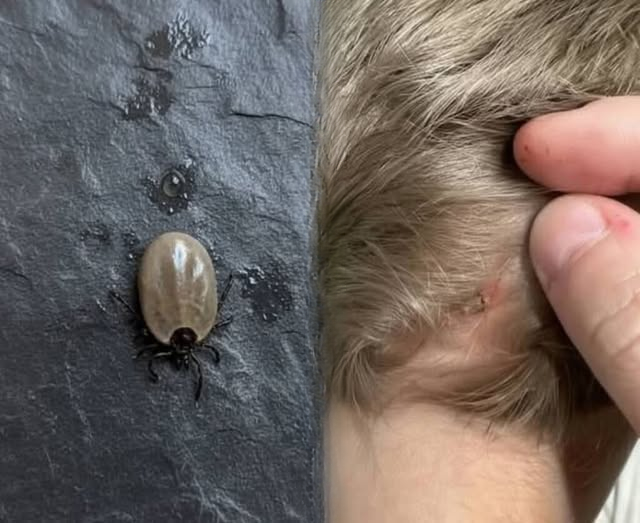
Discovering a tiny insect crawling in your child’s hair can be alarming for any parent. The immediate reaction is often panic, worry, and the urgent desire to remove it immediately. However, most cases of scalp insects are manageable, treatable, and rarely dangerous. Staying calm, accurately identifying the insect, and following a structured approach are essential steps to resolve the problem efficiently while minimizing stress for both parent and child.
This article provides a comprehensive guide for parents: causes of scalp bugs, how to identify them, safe removal techniques, home cleaning strategies, treatment options, prevention tips, and expert insights into maintaining healthy scalp hygiene.
Understanding the Common Causes of Scalp Bugs
Insects found in children’s hair generally fall into three main categories: head lice, ticks, and accidental visitors. Knowing which type of bug you’re dealing with is crucial for proper treatment.
1. Head Lice
Head lice are the most frequent culprits of scalp infestations in children. They are:
- Tiny, sesame-seed–sized insects, often beige or brown in color
- Fast-moving and capable of clinging tightly to hair strands
- Known for laying eggs, called nits, which attach firmly near the scalp
- Spread primarily through close head-to-head contact, making schools and daycare centers common locations for outbreaks
Key signs of head lice include:
- Persistent itching, especially around the back of the neck and behind the ears
- Tiny white or yellowish eggs (nits) attached to hair shafts
- Occasional redness or irritation from scratching
2. Ticks
Ticks are less common than lice but can be a concern if your child spends time outdoors, particularly in grassy or wooded areas. Key features include:
- Dark, oval-shaped insects with eight legs
- Tend to attach directly to the skin rather than crawling freely
- Can transmit diseases such as Lyme disease, making careful removal important
3. Accidental Visitors
Occasionally, children may find ants, small beetles, or other insects in their hair. These “accidental visitors” are typically harmless, especially if:
- Only one bug is present
- There are no eggs or nits attached
- The child shows no irritation or discomfort
In these cases, simple removal is usually sufficient, and no further treatment is necessary.
What to Do Immediately
When you discover a bug in your child’s hair, your reaction sets the tone for your child’s response. Children often mirror parental emotions, so staying calm is essential.
Step-by-Step Guidance:
- Stay calm: Reassure your child that the situation is manageable.
- Remove the bug: Use tissue or fine tweezers to carefully extract the insect.
- Examine the scalp: Check carefully under good lighting, paying special attention to the areas behind the ears and at the back of the neck.
- Assess symptoms: Look for itching, redness, or any unusual marks that may indicate bites or irritation.
Treating Head Lice Safely
Head lice infestations are common among school-aged children, and many parents feel stressed about using chemicals. Wet combing is a recommended, non-chemical method:
Wet Combing Technique:
- Wet your child’s hair and apply conditioner to make combing easier
- Use a fine-toothed metal nit comb from scalp to ends
- Wipe the comb on a paper towel after each pass to check for lice or nits
- Repeat every few days for about two weeks until all lice and nits are gone
Other treatment options include:
- Over-the-counter lice shampoos or lotions (use as directed)
- Prescription treatments in severe or persistent cases
- Avoid home remedies such as kerosene, gasoline, or harsh chemicals, which are unsafe
If You Find a Tick
Ticks require careful removal to prevent infection:
- Use fine-tipped tweezers: Grasp the tick as close to the skin as possible
- Pull steadily upward: Avoid twisting or crushing the tick
- Clean the area: Wash with soap and water
- Monitor for symptoms: Redness, swelling, fever, or rash may indicate infection; consult a healthcare provider immediately
Prompt, careful action reduces the risk of tick-borne illnesses.
Cleaning the Home Environment
While head lice and ticks primarily spread through direct contact, cleaning bedding, clothing, and personal items can help prevent re-infestation:
- Wash bedding, pillowcases, hats, and scarves in warm water
- Dry on high heat or air-dry thoroughly
- Clean combs, brushes, and hair accessories with hot water
- Avoid extreme measures such as fumigation; routine cleaning is sufficient
Tip: Vacuuming furniture and carpets is optional but can provide extra peace of mind.
Myths About Lice
Many parents mistakenly believe lice are caused by poor hygiene. In reality:
- Lice prefer clean hair, as it is easier to cling to
- Infestation is not a reflection of cleanliness or parenting
- Lice spread primarily through normal childhood contact—playing, sports, and school activities
Correcting these misconceptions helps reduce stigma and embarrassment for children.
Helping Your Child Feel Safe
Children may feel embarrassed or anxious about having insects in their hair. Parents can support them by:
- Explaining calmly that many children experience lice or ticks
- Emphasizing that it is not their fault
- Reassuring them that the situation can be treated effectively
Maintaining a calm and empathetic approach reduces stress, prevents shame, and encourages cooperation during treatment.
Prevention Tips for Scalp Insects
Preventing infestations is easier than treating them. Consider these practical tips:
- Regularly check your child’s scalp: Especially during school seasons or after outdoor activities
- Tie back long hair: Braids, buns, or ponytails reduce contact with other children’s hair
- Avoid sharing personal items: Hats, combs, headphones, and hairbrushes should not be shared
- Educate your child: Teach them to recognize early signs and to report discomfort
Consistent vigilance and education can significantly reduce the risk of repeated infestations.
When to Seek Medical Help
Consult a healthcare provider if:
- A tick bite shows redness, swelling, or pain
- Fever, rash, or unusual symptoms appear
- Head lice persist despite repeated treatments
- The scalp develops signs of infection or irritation
Early intervention ensures safety and prevents complications.
Expert Advice on Scalp Health
Pediatricians and dermatologists emphasize:
- Early detection: Frequent checks and attention to complaints of itching
- Patience: Effective treatment takes time and consistency
- Safe products: Use approved lice treatments, avoiding harsh chemicals
- Support: Children should feel supported, not shamed, during treatment
Professional guidance can make the difference between a stressful experience and a smooth resolution.
Long-Term Considerations
While a single incident is rarely serious, repeated infestations may indicate:
- Close contact environments, such as daycare or school
- Exposure to outdoor areas with ticks
- The need for ongoing education about hygiene, prevention, and safety
Developing a routine scalp-check habit and creating open communication with children about discomfort and safety can prevent future issues.
Bottom Line
A tiny bug in your child’s hair may feel scary, but in most cases, it is temporary, treatable, and very common. By staying calm, identifying the type of insect, and following effective treatment protocols, parents can manage the situation confidently.
Key Takeaways:
- Calmness is crucial: Children mirror parental reactions
- Accurate identification matters: Lice, ticks, and accidental insects require different responses
- Safe removal is possible: Wet combing and careful tweezing work effectively
- Home cleaning is straightforward: Routine washing and hygiene measures suffice
- Prevention reduces risk: Regular scalp checks, tied-back hair, and avoiding shared items help prevent re-infestation
- Seek professional guidance when needed: Persistent infestations, ticks, or unusual symptoms warrant medical attention
With the right knowledge, tools, and approach, parents can turn a stressful discovery into a manageable and educational experience, helping children feel safe and supported.