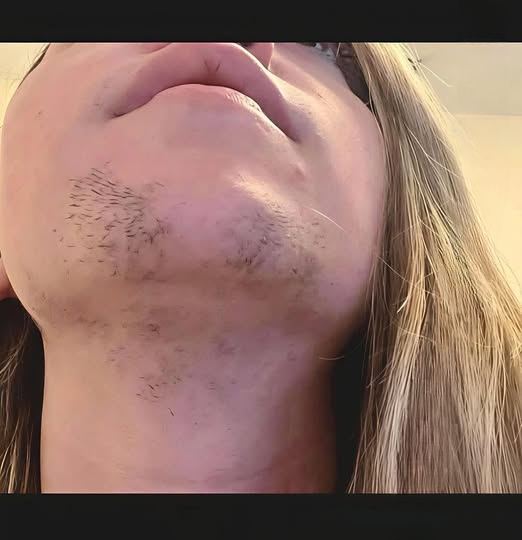
Many women notice hair growth in areas like the chin, jawline, or upper lip and wonder why it happens. While society often treats female facial hair as unusual or embarrassing, it is actually more common than many people realize. In most cases, there are simple biological or hormonal explanations behind it, and understanding the underlying causes can help women address it safely and effectively.
What Causes Facial Hair in Women?
Facial hair in women can occur for a variety of reasons. The primary factor is hormones, specifically androgens. Androgens are often called “male hormones,” but women also produce them naturally. These hormones regulate hair growth, libido, and other bodily functions.
1. Hormonal Imbalance
When androgen levels increase beyond what is typical for women, hair follicles in areas such as the chin, jawline, and upper lip may become more active, producing thicker or darker hair. This can happen due to:
- Polycystic Ovary Syndrome (PCOS):
PCOS is one of the most common endocrine disorders affecting women of reproductive age. It often leads to an overproduction of androgens, causing symptoms like:- Irregular or missed menstrual cycles
- Acne or oily skin
- Weight gain or difficulty losing weight
- Facial or body hair growth
- Hormonal Shifts During Life Stages:
Women experience hormonal fluctuations during puberty, pregnancy, and menopause. These changes can temporarily increase androgen levels, causing facial hair to appear or become more noticeable. - Medical Conditions Affecting the Endocrine System:
Less commonly, conditions such as adrenal gland disorders or thyroid imbalances can alter hormone levels, leading to hirsutism (excessive hair growth).
2. Genetic Predisposition
Genetics plays a significant role in hair growth patterns. Some women naturally develop more facial hair due to family history. For example, if a mother or grandmother had visible chin or jawline hair, a daughter may also experience it.
3. Hirsutism
Hirsutism is a medical term describing excessive hair growth in women in areas where men typically grow thicker hair, such as:
- Chin
- Upper lip
- Chest
- Back
Hirsutism is usually caused by higher-than-normal androgen levels, but it can also be influenced by genetics. Women with hirsutism often notice coarse, dark hair that grows in patterns similar to male hair distribution.
When to Seek Medical Advice
Facial hair in women is often normal and harmless. However, medical consultation is recommended if:
- Hair growth appears suddenly or rapidly
- Hair is particularly coarse or dark
- Other symptoms are present, such as irregular periods, acne, or unexplained weight changes
A healthcare professional can conduct tests to determine whether hormone levels, genetics, or another factor is responsible. Early detection can also help rule out serious conditions like PCOS, adrenal disorders, or thyroid issues.
Treatments and Management Options
Women with unwanted facial hair have several options, ranging from home care to medical interventions. These approaches can be chosen based on the severity, personal preference, and underlying causes.
1. At-Home Hair Removal
- Shaving: Quick and painless but requires frequent upkeep.
- Tweezing: Effective for small areas but can be time-consuming.
- Depilatory Creams: Dissolve hair at the skin surface; good for sensitive areas but may cause irritation in some women.
2. Professional Treatments
- Waxing: Removes hair from the root; results last longer than shaving.
- Threading: Particularly effective for the upper lip and jawline; precise and clean.
- Laser Hair Removal: Targets hair follicles to reduce hair growth permanently over multiple sessions.
- Electrolysis: A long-term solution where each hair follicle is treated individually to prevent regrowth.
3. Medical Therapies
If facial hair is caused by hormonal imbalance, doctors may recommend:
- Oral Contraceptives: Regulate hormone levels and reduce androgen effects.
- Anti-Androgen Medications: Help block androgen receptors in hair follicles.
- Topical Creams: Prescription creams like eflornithine slow hair growth on the face.
Lifestyle Considerations
In addition to medical treatments, lifestyle factors can influence hair growth and overall hormonal health:
- Diet: Balanced nutrition supports hormonal balance. Avoid excess sugar and processed foods, which may worsen androgen effects.
- Weight Management: Maintaining a healthy weight can reduce androgen levels, particularly in women with PCOS.
- Stress Management: Chronic stress can affect hormone levels, so mindfulness, yoga, and adequate sleep are beneficial.
- Regular Medical Checkups: Monitoring hormone levels and general health helps detect imbalances early.
Emotional and Social Impact
For many women, facial hair can affect self-esteem and confidence. Society often emphasizes smooth, hairless skin as an ideal, which can lead to embarrassment or anxiety.
- Support Networks: Friends, family, or online communities can provide understanding and encouragement.
- Professional Counseling: Therapy can help women cope with body image concerns and societal pressure.
- Education: Understanding that facial hair is natural and sometimes unavoidable can reduce shame and stigma.
Myths and Misconceptions
Many myths surround facial hair in women:
- “Poor hygiene causes facial hair”: Completely false; hair growth is not related to cleanliness.
- “Only older women develop chin hair”: Facial hair can appear at any age, often linked to hormonal changes.
- “Hair removal is the only solution”: While cosmetic treatments help, addressing underlying health conditions is equally important.
Natural Remedies and Alternatives
Some women explore natural remedies to manage facial hair. While these methods may not eliminate hair completely, they can complement other treatments:
- Turmeric Paste: Traditionally used in some cultures to slow hair growth.
- Sugar and Lemon Scrub: Exfoliates the skin and may weaken hair over time.
- Spearmint Tea: Some studies suggest it can reduce androgen levels and improve hirsutism.
Always consult a doctor before trying natural treatments, as results vary and some remedies may irritate sensitive skin.
Key Takeaways
- Facial hair growth in women is often normal and biologically explainable.
- Common causes include hormonal changes, PCOS, hirsutism, and genetics.
- Rapid or sudden growth should be assessed by a healthcare professional.
- Treatments range from home care to medical interventions, depending on the cause.
- Lifestyle factors such as diet, stress, and weight management can help maintain hormonal balance.
- Emotional support and education are vital for coping with societal pressures.
Final Thoughts
Women’s bodies are diverse, and variations like facial hair are natural. Understanding the biology behind hair growth helps reduce stigma and empowers women to make informed choices about their health and appearance. Whether through medical treatment, lifestyle changes, or cosmetic solutions, women have many tools available to manage facial hair while maintaining confidence and well-being.
Remember: hair growth does not define beauty or worth. It is simply a sign of the complex hormonal and genetic systems that keep our bodies functioning. With knowledge, support, and self-acceptance, women can navigate facial hair concerns confidently and healthily.