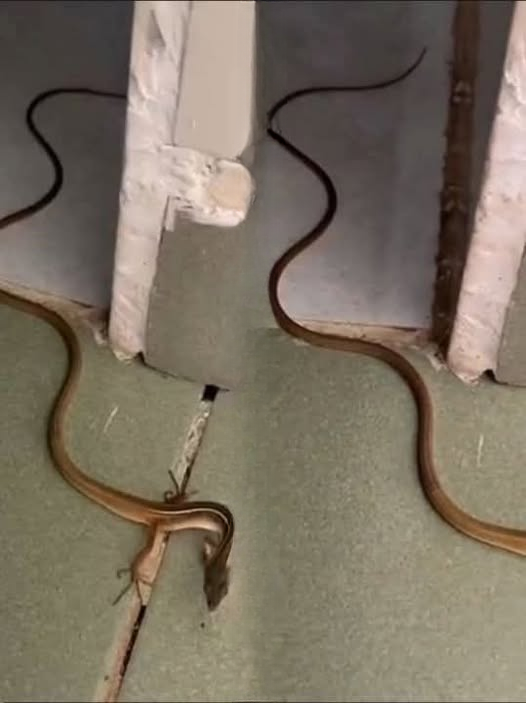
It can be a startling experience to discover a snake inside your home. For many people, the first reaction is fear or confusion, often followed by questions like: Why did this happen? Is it a sign of something?
While some online stories suggest symbolic or mystical meanings, experts agree that the presence of a snake indoors almost always has a practical and environmental explanation. Understanding these reasons can help you respond calmly, protect your home, and prevent future encounters.
Why Snakes Enter Homes
Snakes do not enter homes randomly or with intent related to people. Instead, they are driven by basic survival needs such as shelter, food, and temperature regulation.
1. Seeking Shelter
Snakes are cold-blooded animals, meaning they rely on their environment to regulate body temperature. During extreme weather—whether very hot or cold—they may look for places that offer stable conditions.
Homes can provide:
- Warmth during colder months
- Cool, shaded areas during extreme heat
- Protection from predators
Basements, garages, and crawl spaces are especially attractive because they are quiet and undisturbed.
2. Searching for Food
One of the most common reasons snakes enter homes is the presence of prey. Snakes typically feed on:
- Rodents (mice and rats)
- Small insects
- Birds or eggs
If your home has a rodent problem, it may unintentionally attract snakes. In this case, the snake is not interested in people—it is simply following a food source.
3. Nearby Natural Habitat
Homes located near certain environments are more likely to experience snake encounters. These include:
- Forests or wooded areas
- Gardens or farmland
- Rivers, lakes, or wetlands
- Overgrown yards or vacant lots
Snakes are naturally part of these ecosystems, and occasional encounters are normal, especially in rural or suburban areas.
4. Easy Entry Points
Snakes can enter through surprisingly small openings. Common access points include:
- Gaps under doors
- Cracks in walls or foundations
- Open windows without screens
- Vents or drainage pipes
Even a small opening can be enough for a snake to enter, especially smaller species.
Common Myths About Snakes in the Home
There are many myths surrounding snakes, especially when they appear unexpectedly. Let’s address some of the most common ones:
Myth 1: It’s a Sign of Bad Luck
There is no scientific evidence linking snake encounters to luck, fortune, or personal events. These beliefs come from folklore and cultural traditions rather than facts.
Myth 2: Snakes Enter Homes to Attack People
Snakes generally avoid humans. They may become defensive if threatened, but they do not actively seek out people. Most indoor encounters happen by accident.
Myth 3: One Snake Means There Are Many More
While it’s possible there could be more than one snake in an area, finding a single snake does not necessarily indicate an infestation. It is usually an isolated incident.
What to Do If You Find a Snake in Your Home
If you encounter a snake indoors, the most important thing is to remain calm and avoid sudden movements.
Step 1: Keep Your Distance
Do not attempt to touch, capture, or provoke the snake. Even non-venomous snakes may bite if they feel threatened.
Step 2: Secure the Area
- Keep children and pets away
- Close doors to limit the snake’s movement
- Observe from a safe distance
Step 3: Contact Professionals
Reach out to:
- Local animal control
- Wildlife rescue services
- Pest control experts
These professionals are trained to remove snakes safely and humanely.
Step 4: Avoid DIY Removal
Trying to remove a snake yourself can be dangerous, especially if you cannot identify the species. Professional assistance is always the safest option.
Preventing Future Snake Encounters
Taking preventive measures can significantly reduce the chances of snakes entering your home.
1. Seal Entry Points
Inspect your home for openings and seal them properly:
- Use weather stripping under doors
- Repair cracks in walls and foundations
- Install screens on windows and vents
2. Control Rodents and Pests
Since snakes are attracted to food sources, reducing pests is essential:
- Store food securely
- Keep garbage sealed
- Use pest control methods if needed
3. Maintain Your Yard
Outdoor maintenance plays a big role in prevention:
- Trim tall grass and bushes
- Remove piles of wood or debris
- Keep the yard clean and organized
4. Reduce Water Sources
Standing water can attract both prey and snakes. Ensure proper drainage and eliminate unnecessary water accumulation.
Understanding Snake Behavior
Learning more about snakes can help reduce fear and improve your response in case of an encounter.
Snakes Prefer to Avoid Humans
Most snakes will try to escape rather than confront a person. Their primary goal is survival, not aggression.
Defensive Behavior
If a snake feels threatened, it may:
- Coil its body
- Hiss or make warning sounds
- Attempt to flee
These behaviors are defensive, not aggressive.
Venomous vs. Non-Venomous
Depending on your region, some snakes may be venomous. However:
- The majority of snakes are harmless
- Identification should be left to experts
- Avoid assuming a snake is safe
When to Be Extra Cautious
While most encounters are harmless, certain situations require extra care:
- If the snake appears aggressive or injured
- If you cannot identify the species
- If someone has been bitten
In these cases, contact emergency services or medical professionals immediately.
The Role of Snakes in the Ecosystem
Despite their reputation, snakes play an important role in maintaining ecological balance.
They help control populations of:
- Rodents
- Insects
- Other small animals
By doing so, they contribute to healthier environments and reduce the spread of certain pests.
Educating Family Members
It’s important to ensure everyone in your household knows how to respond safely:
- Teach children not to approach or touch snakes
- Explain basic safety steps
- Encourage calm and responsible behavior
Education can prevent panic and reduce the risk of injury.
Final Thoughts
Finding a snake in your home can be unsettling, but it is rarely a sign of anything mysterious or personal. In most cases, it simply indicates:
- Environmental conditions
- Availability of food
- Access points into your home
By understanding these factors and taking preventive measures, you can protect your home and reduce the likelihood of future encounters.
Remember:
- Stay calm
- Keep a safe distance
- Call professionals
- Focus on prevention
With the right approach, this situation can be handled safely and effectively.