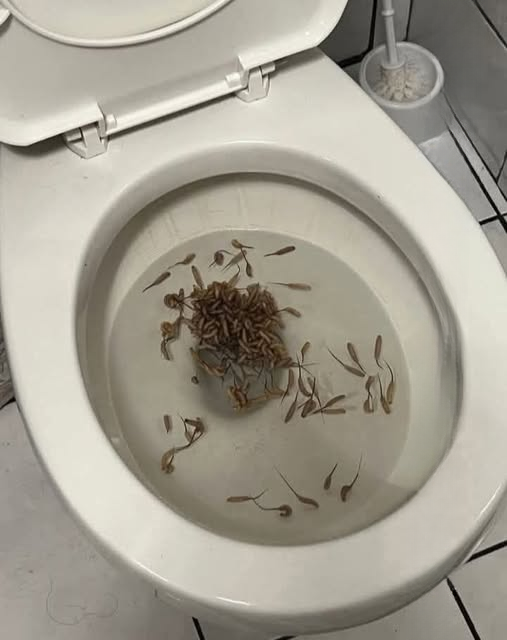
Mosquitoes are more than just annoying insects—they can pose significant health risks. From spreading diseases such as dengue, Zika, and West Nile virus, to causing itchy bites that interfere with daily life, mosquitoes are a common concern for households worldwide. A crucial step in controlling mosquito populations is understanding their life cycle, particularly the early stage known as larvae.
This article explores the science behind mosquito larvae, how to identify them, what environmental factors allow them to thrive, and practical measures homeowners can take to prevent infestations.
What Are Mosquito Larvae?
Mosquito larvae are the second stage in the mosquito life cycle, following the egg stage. When female mosquitoes lay eggs on or near standing water, the eggs hatch into tiny larvae. These larvae are often visible as small, worm-like creatures wriggling near the water surface.
Key characteristics of mosquito larvae include:
- Appearance: They are small, segmented, and often translucent or light-colored, with visible heads and thoraxes.
- Behavior: They wriggle or move in response to disturbances in the water.
- Habitat: They require standing or stagnant water to survive, as they rely on it for breathing through specialized siphon tubes.
The larval stage typically lasts between 7–14 days, depending on environmental conditions such as temperature and water quality. During this time, they feed on microscopic organic matter and microorganisms in the water, gradually growing until they pupate and eventually emerge as adult mosquitoes.
Why Mosquito Larvae Appear in Bathrooms
It may seem surprising to find mosquito larvae in places like toilets, drains, or bathroom fixtures. However, these environments can create ideal conditions for mosquito eggs to hatch.
Common Causes
- Stagnant Water: Bathrooms that are rarely used or not flushed regularly can accumulate standing water in toilets, drains, or sink traps.
- Warm Environments: Warm temperatures accelerate larval development, making indoor water sources even more attractive.
- Open Water Containers: Even small amounts of water left in plant saucers, buckets, or clogged drains can serve as breeding grounds.
Mosquitoes are highly opportunistic and will exploit any available water source to complete their life cycle. While finding larvae in your toilet may seem alarming, it is not a sign of internal or personal health issues—it simply reflects the presence of standing water that allowed eggs to hatch.
Signs That Mosquito Larvae Are Present
Identifying mosquito larvae early is key to preventing adult infestations. Common signs include:
- Small Worm-Like Creatures: These wiggle when disturbed and are often concentrated near the water surface.
- Clusters: You may notice clusters of larvae moving together.
- Still Water: Any water that has remained untouched for several days is a potential habitat.
By regularly inspecting toilets, sinks, drains, and other water-holding areas, homeowners can detect larvae before they mature into adult mosquitoes.
The Mosquito Life Cycle: From Egg to Adult
Understanding the full mosquito life cycle can help explain why larvae appear and how to prevent them:
- Egg Stage: Female mosquitoes lay eggs individually or in clusters (rafts) on or near water. Some species lay eggs on moist surfaces that flood later.
- Larval Stage: Eggs hatch into larvae, which feed on microorganisms and organic matter in the water. They breathe through a siphon tube and remain near the water surface.
- Pupal Stage: Larvae develop into pupae, a transitional stage during which the mosquito prepares for adulthood. Pupae do not feed but remain active in water.
- Adult Stage: Fully developed mosquitoes emerge from the pupae, ready to fly and, in females, seek a blood meal to produce eggs.
This cycle can be completed in as little as one week under ideal conditions, which is why controlling standing water is critical.
Preventing Mosquito Larvae in the Home
Prevention is always more effective than treatment. Eliminating potential breeding sites can significantly reduce mosquito populations.
Practical Steps
- Flush Regularly: Toilets, especially those in rarely used bathrooms, should be flushed frequently.
- Clean Fixtures: Scrub toilets, sink traps, and drains with disinfectant to remove larvae and eggs.
- Remove Standing Water: Empty buckets, plant saucers, and containers where water can accumulate.
- Seal Openings: Ensure that drains are properly sealed and windows have screens to prevent adult mosquitoes from entering.
- Maintain Outdoor Spaces: Garden ponds or birdbaths should be regularly cleaned or fitted with mosquito control measures such as aerators or larvicides.
By following these steps, households can greatly reduce the chances of mosquito larvae establishing themselves indoors.
Health Risks Associated With Mosquitoes
While larvae themselves do not bite or transmit diseases, preventing their development is crucial because adult mosquitoes can pose health risks:
- Dengue Fever: Spread primarily by Aedes aegypti, symptoms include high fever, joint pain, and severe headaches.
- Zika Virus: Linked to birth defects in pregnant women, including microcephaly.
- West Nile Virus: Can cause neurological complications in some individuals.
- Chikungunya: Causes joint pain, fever, and fatigue.
Preventing mosquito breeding inside the home is an important public health measure, reducing the risk of these diseases spreading in communities.
Debunking Myths
Social media often spreads myths about mosquito larvae, including false claims that they can grow inside the human body. These stories are entirely unfounded. Mosquito larvae need standing water to survive and cannot develop in the human body.
The appearance of larvae in toilets, drains, or stagnant water is purely environmental and can be prevented with proper hygiene and maintenance. Awareness and education are key to preventing panic or misinformation.
Community and Environmental Considerations
Beyond individual homes, mosquito control requires community-wide efforts. Local authorities often implement programs to:
- Remove trash and debris that collect water.
- Treat public water sources or drains with larvicides.
- Educate residents about preventive practices.
Environmental factors such as rainfall, temperature, and urbanization influence mosquito populations. Communities that proactively manage water accumulation and educate citizens experience lower rates of mosquito-borne disease.
DIY Solutions and Natural Preventives
In addition to cleaning and hygiene, there are environmentally friendly approaches to reduce mosquito breeding:
- Introduce Natural Predators: Fish such as guppies or goldfish can eat mosquito larvae in ponds.
- Use Mosquito Dunks: These contain Bacillus thuringiensis israelensis (Bti), a bacteria that kills larvae but is safe for humans and pets.
- Plant Repellents: Certain plants, such as citronella, marigolds, and lavender, can deter adult mosquitoes.
- Aeration: Circulating water in fountains or ponds prevents larvae from thriving.
These methods can complement routine cleaning to provide a multi-layered approach to mosquito control.
When to Seek Professional Help
In some cases, mosquito infestations may persist despite best efforts. Professional pest control services can:
- Identify hidden breeding sites.
- Apply safe, effective larvicides or adulticides.
- Provide ongoing monitoring and recommendations.
Prompt intervention helps prevent a small problem from escalating into a larger infestation, protecting both indoor and outdoor spaces.
Educational Takeaways
Understanding mosquito larvae is not only about hygiene but also about fostering awareness:
- Early detection matters: Regular checks for stagnant water prevent outbreaks.
- Environmental responsibility: Properly managing water in gardens, yards, and public spaces reduces risks.
- Health protection: Preventing mosquito breeding helps reduce the spread of serious diseases.
- Community involvement: Collaboration with neighbors and local authorities amplifies results.
Education empowers individuals and communities to take proactive steps, turning knowledge into action.
Conclusion
Mosquito larvae may seem small and harmless, but they are the starting point for potential health concerns. Identifying larvae in toilets, drains, or other standing water sources signals a need for preventive action, not alarm.
Through routine cleaning, environmental management, and public awareness, households and communities can significantly reduce mosquito populations, protect public health, and maintain safer living spaces.
By taking these steps, we not only prevent an annoying infestation but also protect ourselves and our loved ones from mosquito-borne illnesses. Awareness, diligence, and proactive care are the keys to a mosquito-free home and community.