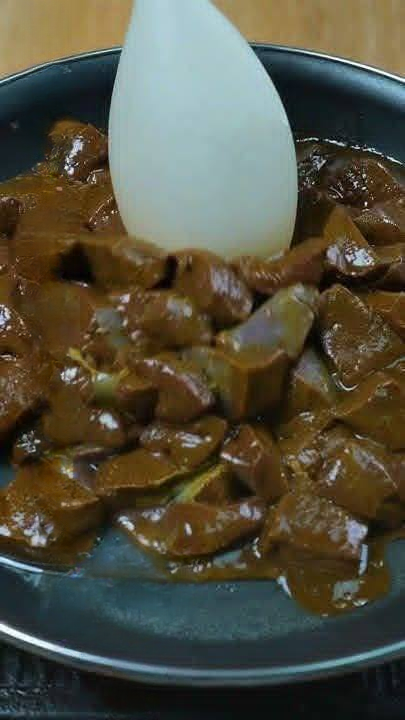
Liver has long been considered a superfood in the world of nutrition. Rich in vitamins, minerals, and protein, it offers several health benefits when consumed in moderation. However, despite some popular claims circulating online, eating liver cannot reverse aging or make someone physically “22 again.” Understanding the real benefits and potential risks of liver consumption is especially important for older adults who are focused on maintaining energy, strength, and overall health.
Why Liver Is Considered Nutrient-Dense
Liver is often described as one of the most nutrient-dense foods available. Its nutrient content far exceeds that of many other animal proteins, providing a concentrated source of essential vitamins and minerals. Some of the most notable nutrients in liver include:
- Iron: Liver is particularly rich in heme iron, the form of iron most easily absorbed by the body. Iron is essential for the production of hemoglobin in red blood cells, which carry oxygen throughout the body. Adequate iron intake helps prevent anemia, fatigue, and weakness—conditions that are more common as we age.
- Vitamin B12: Liver provides an abundant source of vitamin B12, which supports brain function, nerve health, and energy metabolism. B12 deficiencies are common among older adults, leading to symptoms like memory loss, mood changes, and low energy. Including liver in the diet can help reduce the risk of these deficiencies.
- Vitamin A: Liver contains preformed vitamin A, a fat-soluble vitamin crucial for vision, immune system function, and skin health. Vitamin A also supports cellular growth and repair, which can help maintain tissue health in older adults.
- Protein: As a high-protein food, liver supports muscle maintenance and tissue repair. Older adults naturally experience muscle loss with age, a process called sarcopenia. Protein-rich foods like liver can help slow this process when combined with regular physical activity.
- Other Nutrients: Liver also contains significant amounts of copper, folate, riboflavin, and choline, all of which contribute to overall health and cognitive function.
How Liver Supports Health in Older Adults
For older adults, nutrient-rich foods are essential for maintaining energy, preventing deficiencies, and supporting overall well-being. Liver can play a role in this context:
1. Energy and Vitality
Many older adults experience fatigue due to iron deficiency or low vitamin B12 levels. By supporting red blood cell production and energy metabolism, liver helps maintain energy levels and overall vitality.
2. Brain and Nervous System Health
Vitamin B12 and choline in liver support cognitive function and nerve health. Including liver in a balanced diet may help protect against memory decline and improve focus.
3. Immune System Support
Vitamin A, along with other micronutrients in liver, helps maintain a healthy immune system. For older adults, who may have weakened immune responses, consuming nutrient-dense foods like liver can be a practical addition to other healthy habits.
4. Muscle Maintenance
Protein-rich foods like liver support muscle repair and growth. Maintaining muscle mass is crucial for mobility, balance, and preventing falls in older adults.
How to Consume Liver Safely
While liver is highly nutritious, moderation is key. Overconsumption can lead to excessive intake of certain nutrients, particularly vitamin A, which can be toxic in large amounts.
Recommended Guidelines
- Frequency: Older adults can safely consume liver once a week or less.
- Portion size: A small serving, approximately 3–4 ounces, provides a significant nutrient boost without overloading the system.
- Balanced diet: Pair liver with vegetables, fruits, whole grains, and other protein sources to ensure a well-rounded diet.
Cooking Tips
- Avoid overcooking: Overcooking liver can make it tough and less palatable.
- Season wisely: Use herbs, spices, and a small amount of healthy fat like olive oil to enhance flavor without adding excessive sodium or calories.
- Combine with vegetables: Pairing liver with vitamin C–rich vegetables (like bell peppers or broccoli) can improve iron absorption.
Myths About Liver and Aging
Some media sources claim that eating liver can reverse aging or dramatically improve physical appearance. These claims are not supported by science.
What Liver Can Do:
- Support overall health and energy
- Provide essential nutrients often lacking in older adults
- Help maintain muscle and tissue function
What Liver Cannot Do:
- Reverse chronological aging
- Restore youth or make someone physically “22 again”
- Replace the need for other healthy lifestyle habits such as exercise, hydration, and regular medical checkups
Promoting liver as a miracle food can be misleading and may distract from more sustainable health practices.
Expert Opinions
Health authorities, including the World Health Organization (WHO) and the Mayo Clinic, recommend nutrient-rich foods for older adults, emphasizing moderation and variety.
Key recommendations include:
- Include a variety of protein sources, not just liver, such as poultry, fish, beans, and legumes.
- Focus on whole, unprocessed foods for vitamins, minerals, and fiber.
- Maintain regular physical activity to complement dietary habits.
- Monitor nutrient intake with healthcare providers, especially for vitamin A, iron, and B12.
Alternatives to Liver
For those who do not enjoy liver or want to vary their nutrient sources, there are alternatives that provide similar benefits:
- Iron: Lean red meat, poultry, beans, lentils, spinach
- Vitamin B12: Fish, eggs, fortified cereals, dairy products
- Vitamin A: Carrots, sweet potatoes, leafy greens
- Protein: Eggs, tofu, fish, lean meats
These alternatives can complement or replace liver in a balanced diet while maintaining nutritional adequacy.
Practical Tips for Older Adults
- Start small: If new to eating liver, begin with small portions once a week.
- Pair wisely: Combine liver with vegetables for added vitamins and minerals.
- Check labels: If using packaged or pre-prepared liver, check for added sodium or preservatives.
- Consult a doctor: Individuals with liver disease, vitamin A sensitivity, or other health conditions should seek professional guidance before adding liver to their diet.
- Lifestyle integration: Combine nutrient-rich foods with regular exercise, hydration, and routine medical care for optimal results.
Conclusion
Liver is a nutrient-dense food that offers real health benefits, particularly for older adults. It provides iron, vitamin B12, vitamin A, protein, and other essential nutrients that support energy, immunity, brain function, and muscle maintenance.
However, liver is not a miracle food. It cannot reverse aging or dramatically restore youth. Moderation, variety, and balanced dietary habits are essential for safe and sustainable health benefits.
When included thoughtfully in a diet alongside vegetables, fruits, whole grains, and other protein sources, liver can contribute to overall wellness and longevity, helping older adults maintain vitality, energy, and a high quality of life.