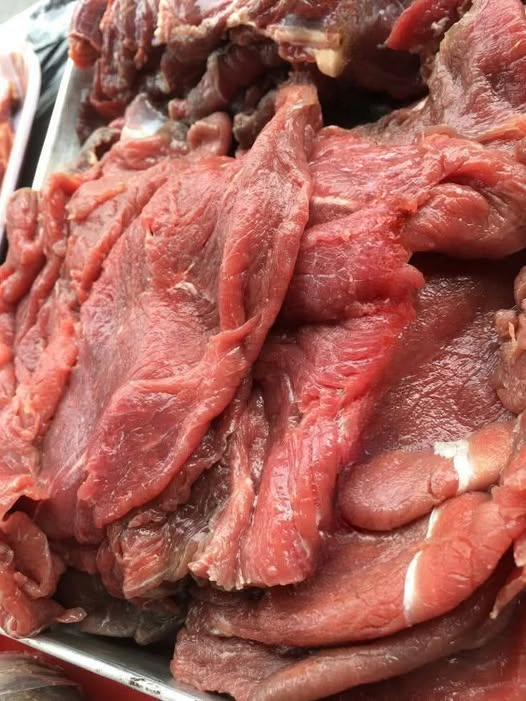
A widely shared message circulating across social media platforms has sparked anxiety among consumers, claiming that spoiled or unsafe meat is being chemically treated and resold as fresh. The posts, often written in alarming language and lacking clear sources, have prompted questions about food safety and the reliability of what people are buying at markets and stores.
However, food safety experts and public health authorities stress that it is important to separate fact from speculation. While concerns about food quality should always be taken seriously, relying on unverified online claims can lead to unnecessary panic and misinformation.
How Viral Messages Gain Attention
In today’s digital world, information spreads rapidly—especially when it involves health risks. Messages that include shocking claims, emotional language, or anonymous “insider warnings” are more likely to be shared widely, even when they lack credible evidence.
These viral posts often:
- Do not cite official sources
- Rely on vague or anonymous claims
- Use dramatic or fear-inducing language
- Encourage urgent sharing without verification
While they may appear convincing at first glance, such messages rarely provide the kind of evidence needed to confirm their accuracy.
What Food Safety Authorities Say
Health and food safety agencies regularly monitor and inspect every stage of the food supply chain. This includes slaughterhouses, processing facilities, transportation systems, and retail markets.
Regulations are designed to ensure that meat sold to consumers meets strict safety and hygiene standards. These measures typically include:
- Routine inspections of facilities
- Temperature control requirements during storage and transport
- Sanitation protocols for equipment and handling
- Testing for contamination or spoilage
Selling spoiled meat or attempting to disguise it with unauthorized chemicals is illegal in most countries. Businesses found violating these regulations can face serious consequences, including heavy fines, closure of operations, and even criminal prosecution.
Understanding Natural Changes in Meat
One of the most common sources of confusion comes from the natural appearance of meat over time.
Experts explain that fresh meat can change color due to a process called oxidation. For example:
- Beef may appear bright red when first exposed to air
- Over time, it can turn darker or brownish
- These changes do not necessarily indicate spoilage
Color alone is not a reliable indicator of whether meat is safe to eat. Instead, multiple factors should be considered.
Signs That Meat May Be Unsafe
While viral rumors may exaggerate risks, there are legitimate signs consumers can look for when assessing meat quality:
- Unpleasant or sour odor: Fresh meat should have little to no strong smell
- Slimy or sticky texture: This may indicate bacterial growth
- Discoloration combined with odor: A combination of changes can signal spoilage
- Improper storage conditions: Meat left unrefrigerated or stored at incorrect temperatures
If any of these signs are present, it is best to avoid consuming the product.
The Role of Proper Storage
Refrigeration plays a critical role in maintaining meat safety. Bacteria can grow rapidly when food is stored at unsafe temperatures, increasing the risk of foodborne illness.
Consumers are advised to:
- Keep meat refrigerated at appropriate temperatures
- Avoid leaving meat out for extended periods
- Store raw meat separately from other foods
- Cook meat thoroughly according to recommended guidelines
These simple steps can significantly reduce the risk of contamination.
Buying Meat Safely
To ensure quality and safety, experts recommend purchasing meat from trusted and licensed vendors. Reputable sellers are required to follow strict hygiene and safety standards.
When shopping, consumers should:
- Check expiration or “use by” dates
- Ensure packaging is intact and not damaged
- Observe cleanliness of the store or market
- Avoid products that appear improperly stored
Taking a few extra moments to inspect products can make a meaningful difference.
Why Verified Information Matters
Food safety is a serious issue, but it must be addressed with accurate and reliable information. Viral rumors, while attention-grabbing, can create confusion and undermine trust in legitimate safety systems.
Authorities rely on:
- Laboratory testing
- Professional inspections
- Scientific analysis
These methods provide objective and verifiable results, unlike unconfirmed online claims.
Reporting Concerns the Right Way
If consumers suspect that a product may be unsafe or that a vendor is not following proper hygiene practices, they are encouraged to report their concerns to local health authorities.
Most regions have systems in place for:
- Filing complaints
- Requesting inspections
- Reporting unsafe conditions
This allows trained professionals to investigate and take appropriate action if necessary.
The Bigger Picture: Staying Informed Without Panic
The spread of alarming messages about food safety highlights a broader challenge in the digital age—balancing awareness with accuracy.
While it is important to remain vigilant about what we consume, it is equally important to avoid spreading unverified information. Responsible sharing helps ensure that concerns are addressed constructively rather than amplified unnecessarily.
Conclusion
The viral claims about chemically treated spoiled meat have raised understandable concerns, but experts emphasize that there is no substitute for verified information. Food safety systems are in place to protect consumers, and strict regulations govern how meat is processed, stored, and sold.
By relying on trusted sources, understanding the basics of food safety, and taking simple precautions, consumers can make informed decisions without unnecessary fear.
In a world where information travels fast, staying informed—and staying cautious about what we believe—is more important than ever.