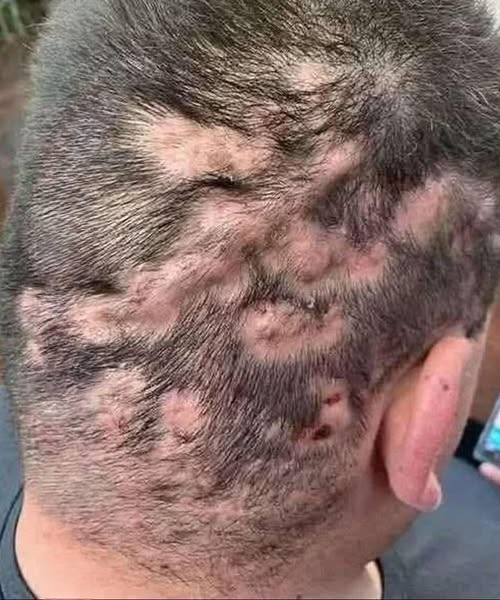
Sometimes, our bodies speak to us in subtle ways. Dark, velvety patches appearing on the skin may seem like minor issues—an area that didn’t get properly washed, friction from clothing, or even harmless irritation. Many people ignore these signs, thinking they’ll disappear on their own.
But when these patches persist, thicken, or darken over time, they may signal something much deeper. This skin change is often linked to a condition called Acanthosis Nigricans, which, while not dangerous on its own, can point to underlying health concerns—most notably related to insulin and blood sugar.
Understanding these first signs can empower you to act early, possibly preventing more serious complications.
What Is Acanthosis Nigricans?
Acanthosis Nigricans is a skin condition characterized by dark, thickened, and velvety patches. These patches most commonly appear in areas where the skin folds, such as:
- Neck
- Underarms
- Groin
- Elbows
- Knees
Unlike a rash or irritation, Acanthosis Nigricans cannot be scrubbed away. It develops gradually, often unnoticed until it becomes pronounced.
The key thing to remember: Acanthosis Nigricans is a symptom, not a disease itself. It’s the body’s visual signal that something internal may need attention.
Why These Patches Appear
The most common cause of Acanthosis Nigricans is insulin resistance, a condition where the body’s cells do not respond effectively to insulin. Insulin is the hormone that regulates blood sugar. When resistance occurs, the body produces more insulin to compensate, which can trigger increased growth of skin cells in certain areas, causing the thick, dark appearance.
Other factors that may contribute include:
- Obesity: Excess body weight is strongly linked to insulin resistance.
- Hormonal disorders: Conditions like polycystic ovary syndrome (PCOS) can increase risk.
- Genetics: Some people inherit a predisposition for developing these patches.
- Medications: Certain drugs, such as steroids or hormonal treatments, may trigger skin changes.
- Rarely, tumors: Some cancers produce hormones that affect the skin.
While Acanthosis Nigricans can appear in both adults and children, its presence alongside excess weight is a red flag for potential Type 2 Diabetes.
Identifying the Early Symptoms
The subtlety of this condition is why it often goes unnoticed. Key characteristics include:
- Non-painful and non-itchy: The skin feels normal aside from color and texture.
- Gradual development: Patches appear slowly, often over months or years.
- Velvety texture: The skin may feel slightly thickened or soft like velvet.
- Symmetry: Often appears on both sides of the body, such as both underarms.
However, certain warning signs should never be ignored:
- Sudden appearance or rapid spread of patches
- Increasing thickness or darkening
- Accompanying symptoms such as unusual fatigue, increased thirst, or frequent urination
These could indicate worsening insulin resistance or elevated blood sugar, both of which warrant medical evaluation.
Why Early Recognition Matters
Catching Acanthosis Nigricans early can save more than just your skin—it may save your health. Because insulin resistance often precedes Type 2 Diabetes, noticing these patches can serve as an early warning system.
Early intervention may include:
- Lifestyle changes like improved diet and exercise
- Monitoring blood glucose and insulin levels
- Medical treatments to manage underlying conditions
The sooner the underlying cause is addressed, the better the chances of preventing long-term complications such as:
- Diabetes-related nerve damage
- Cardiovascular disease
- Kidney problems
How Doctors Diagnose It
Acanthosis Nigricans is typically diagnosed through visual examination, often accompanied by questions about personal and family medical history. In some cases, further tests may be recommended to uncover underlying causes:
- Blood glucose testing: To check for diabetes or prediabetes
- Insulin level testing: To detect insulin resistance
- Hormonal assessments: For PCOS or thyroid disorders
- Imaging or biopsy: Rarely, if a tumor or cancer is suspected
Management and Treatment
Treatment focuses primarily on addressing the underlying cause rather than the skin changes themselves. Common approaches include:
- Lifestyle changes:
- Weight loss through healthy eating and exercise can reduce insulin resistance.
- Balanced diet with low sugar, whole grains, and lean proteins.
- Medical management:
- Metformin or other insulin-sensitizing medications may be prescribed.
- Hormonal treatments for PCOS or other endocrine disorders.
- Skin-focused treatments:
- Topical creams or keratolytic agents can help lighten patches.
- Cosmetic procedures like laser therapy may be considered in severe cases, though underlying metabolic issues must be addressed first.
Myths and Misconceptions
Many people mistakenly assume Acanthosis Nigricans is caused by poor hygiene or dirt accumulation. This is false. No amount of scrubbing will remove the darkened patches.
Other myths include:
- It only affects overweight people: Genetics and hormonal factors mean thin individuals can also develop it.
- It’s contagious: Acanthosis Nigricans is not infectious.
- It will go away on its own: Without addressing the root cause, patches may persist or worsen.
Understanding the facts helps prevent unnecessary worry and ensures appropriate care.
Children and Acanthosis Nigricans
Acanthosis Nigricans in children is particularly important to monitor. Rising rates of childhood obesity and sedentary lifestyles have increased the prevalence of insulin resistance in young populations.
Parents should look for:
- Dark patches on the neck or underarms
- Unexplained changes in skin texture
- Rapidly growing patches
Early identification in children can help prevent lifelong health problems, including Type 2 Diabetes, if addressed promptly.
Lifestyle Tips to Reduce Risk
Even if you already notice patches, lifestyle adjustments can help:
- Maintain a healthy weight through diet and exercise
- Reduce sugar intake and processed foods
- Stay active with regular physical activity
- Monitor blood sugar if at risk
Consulting a healthcare provider for individualized guidance is essential.
When to Seek Urgent Medical Attention
Seek professional advice if you notice:
- Sudden or rapidly spreading patches
- Thickening or darkening accompanied by fatigue, thirst, or urination changes
- Family history of diabetes, PCOS, or endocrine disorders
Early intervention is key to preventing serious complications and managing long-term health.
The Bigger Picture
Acanthosis Nigricans is a reminder that our skin reflects our internal health. While it may seem cosmetic at first, it can serve as an important early warning sign for metabolic conditions like Type 2 Diabetes.
By paying attention to these subtle cues, individuals can take steps toward prevention, early diagnosis, and better overall health.
Sometimes, the smallest changes in your body are the most important to notice. Patches on the neck or underarms may seem insignificant, but understanding their meaning can make a huge difference in your long-term health.
Key Takeaways
- Acanthosis Nigricans is dark, velvety skin patches, often linked to insulin resistance.
- It is not caused by poor hygiene and cannot be scrubbed away.
- Early recognition is crucial, especially for children and adults at risk of Type 2 Diabetes.
- Diagnosis involves a doctor’s evaluation, blood tests, and sometimes hormonal screening.
- Treatment focuses on lifestyle changes and addressing underlying causes.
- Ignoring symptoms can lead to serious metabolic complications, so attention is vital.
Your skin is more than just a surface—it’s a window into your health. By noticing changes early, you take control, act preventatively, and protect your future well-being.