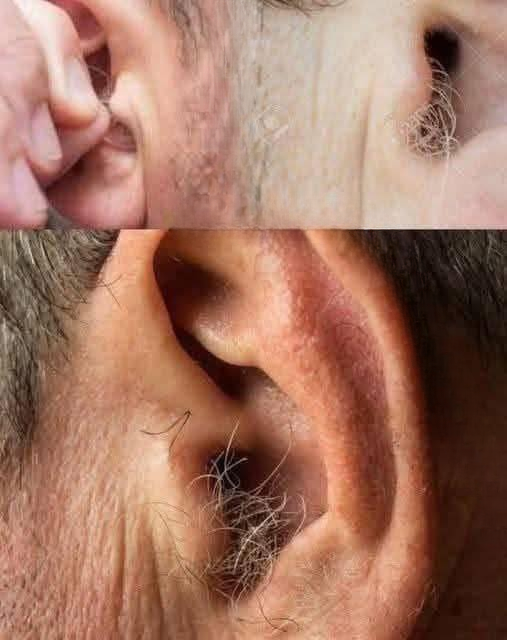
Noticing hair growing on your ears can feel unusual, but in reality, it’s a completely normal part of how the human body works. Almost every part of your skin contains hair follicles, and ear hair is just another variation of that natural pattern.
Hair Is a Natural Part of the Body
From a biological perspective, humans are covered in hair—most of it just very fine and hard to see. The only areas that don’t grow hair are the palms, soles of the feet, and lips.
Even before birth, the body develops a soft layer of hair known as lanugo, which can cover areas like the ears. While most of this disappears early in life, the presence of hair follicles remains.
Why Ear Hair Becomes More Noticeable
Ear hair can become more visible over time due to several factors:
1. Aging and Hormones
As people age, especially men, hormonal changes—particularly involving testosterone—can cause hair in certain areas to grow thicker and longer. This includes:
- Ears
- Nose
- Eyebrows
This is why ear hair tends to become more noticeable later in life.
2. Genetics
Your genetic makeup plays a big role in how much body hair you have and where it grows.
Some individuals are simply more prone to visible ear hair due to inherited traits. While older theories suggested a specific inheritance pattern through male chromosomes, modern research shows it’s more complex and not limited to a single genetic pathway.
3. Ethnic and Regional Differences
In some populations, more prominent ear hair is slightly more common. For example, certain studies have noted higher visibility in specific regions, though it remains relatively rare overall.
4. Hair Growth Patterns
Hair follicles don’t disappear—they just change activity levels. Over time, some follicles in the ear area may become more active, producing thicker strands instead of fine, nearly invisible hair.
Is It a Health Concern?
In most cases, ear hair is completely harmless and purely cosmetic. It does not indicate illness or a medical problem.
However, there are rare situations where unusual hair growth patterns may be linked to underlying conditions, such as:
- Hormonal imbalances
- Certain metabolic conditions
These cases are uncommon and usually involve additional symptoms beyond hair growth.
What About Hair Inside the Ear?
Hair inside the ear canal actually serves a purpose:
- It helps trap dust and debris
- It contributes to the ear’s natural self-cleaning system
So while outer ear hair is mostly cosmetic, inner ear hair plays a protective role.
Can You Remove Ear Hair?
If ear hair bothers you, there are safe and simple ways to manage it:
- Trimming (small grooming scissors or electric trimmers)
- Waxing (done carefully or by professionals)
- Laser removal (for longer-term reduction)
It’s important to avoid inserting sharp objects deep into the ear canal, as this can cause injury.
Common Myths
- ❌ “Ear hair means poor hygiene”
Not true—it’s unrelated to cleanliness. - ❌ “It only happens to older people”
While more common with age, it can appear earlier depending on genetics. - ❌ “It’s a sign of illness”
In most cases, it’s completely normal.
Final Thoughts
Ear hair might seem unusual, but it’s simply part of the body’s natural design. Factors like age, hormones, and genetics all influence how visible it becomes over time.
For most people, it’s nothing more than a cosmetic concern—and one that can be easily managed if desired.