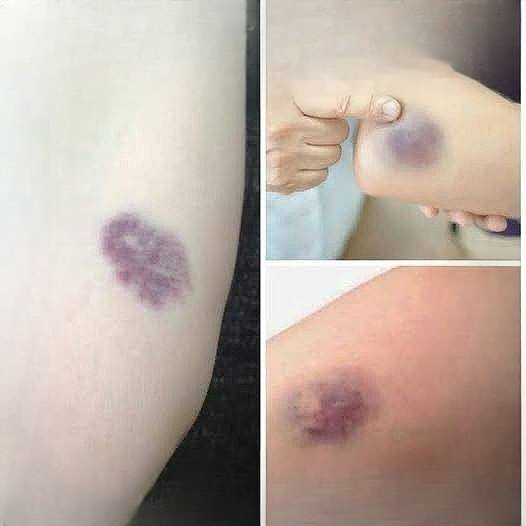
Noticing a bruise without remembering how it got there can feel confusing—and sometimes a little concerning. While occasional bruises are completely normal, frequent or unexplained marks may be worth a closer look. Your body often gives subtle signals, and bruising can be one of them.
Why Bruises Happen
Bruises (also called hematomas) form when tiny blood vessels beneath the skin—known as capillaries—break. This allows a small amount of blood to leak into surrounding tissue, creating the familiar blue or purple mark. As your body heals, the color gradually changes to green, yellow, and eventually fades away.
Most of the time, bruises are caused by minor bumps you may not even notice. However, when they appear often, seem unusually large, or take a long time to heal, it may point to something else.
Common Reasons for Frequent Bruising
1. Vitamin Deficiencies
A lack of certain nutrients can make your skin more prone to bruising. For example:
- Vitamin C supports blood vessel health
- Vitamin K helps with proper blood clotting
- Iron plays a role in oxygen transport and overall tissue health
Low levels of these nutrients may make bruises appear more easily or last longer.
2. Medications and Supplements
Some medications can thin the blood or affect clotting, making bruising more noticeable. These may include:
- Blood thinners
- Anti-inflammatory medications
- Certain supplements like fish oil or vitamin E
If you’ve recently started something new, it could be a factor.
3. Aging Skin
As people age, the skin becomes thinner and loses some of the protective fatty layer that cushions blood vessels. This makes bruising more common, even with minor contact.
4. Physical Activity or Minor Injuries
Exercise or everyday movement can sometimes lead to small impacts you don’t remember. Even light bumps can leave marks, especially on sensitive areas like arms and legs.
5. Underlying Health Factors
In some cases, frequent bruising may be linked to conditions that affect blood clotting or vessel strength. While this is less common, it’s something to consider if bruising appears suddenly or worsens over time.
When to Pay Closer Attention
It may be helpful to speak with a healthcare professional if you notice:
- Bruises appearing very frequently
- Large or painful bruises without clear cause
- Bruises that take an unusually long time to heal
- Other symptoms like fatigue or unusual bleeding
Simple Steps You Can Take
- Maintain a balanced diet rich in vitamins
- Stay aware of any medications or supplements you’re using
- Protect your skin during physical activity
- Keep track of when and where bruises appear
A Gentle Reminder
Not every unexplained bruise is a cause for concern. Often, it’s simply part of how the body responds to everyday life. But paying attention to patterns can help you better understand what your body needs.
If something doesn’t feel right, it’s always okay to seek professional advice. Being informed and aware is one of the best ways to support your overall well-being.
Unexplained Bruises? What Your Body Might Be Trying to Tell You
Noticing a bruise without remembering how it got there can feel confusing—and sometimes a little concerning. While occasional bruises are completely normal, frequent or unexplained marks may be worth a closer look. Your body often gives subtle signals, and bruising can be one of them.
Why Bruises Happen
Bruises (also called hematomas) form when tiny blood vessels beneath the skin—known as capillaries—break. This allows a small amount of blood to leak into surrounding tissue, creating the familiar blue or purple mark. As your body heals, the color gradually changes to green, yellow, and eventually fades away.
Most of the time, bruises are caused by minor bumps you may not even notice. However, when they appear often, seem unusually large, or take a long time to heal, it may point to something else.
Common Reasons for Frequent Bruising
1. Vitamin Deficiencies
A lack of certain nutrients can make your skin more prone to bruising. For example:
- Vitamin C supports blood vessel health
- Vitamin K helps with proper blood clotting
- Iron plays a role in oxygen transport and overall tissue health
Low levels of these nutrients may make bruises appear more easily or last longer.
2. Medications and Supplements
Some medications can thin the blood or affect clotting, making bruising more noticeable. These may include:
- Blood thinners
- Anti-inflammatory medications
- Certain supplements like fish oil or vitamin E
If you’ve recently started something new, it could be a factor.
3. Aging Skin
As people age, the skin becomes thinner and loses some of the protective fatty layer that cushions blood vessels. This makes bruising more common, even with minor contact.
4. Physical Activity or Minor Injuries
Exercise or everyday movement can sometimes lead to small impacts you don’t remember. Even light bumps can leave marks, especially on sensitive areas like arms and legs.
5. Underlying Health Factors
In some cases, frequent bruising may be linked to conditions that affect blood clotting or vessel strength. While this is less common, it’s something to consider if bruising appears suddenly or worsens over time.
Taking a Closer Look at Your Body’s Signals
Bruising is one of the ways your body communicates internal changes. While it’s easy to ignore a single mark, patterns are more meaningful than isolated incidents. For example, bruises that consistently appear in the same area might suggest repeated minor contact, while widespread bruising could indicate something systemic.
It can be helpful to think of bruises as part of a bigger picture rather than a standalone issue. Are you feeling more tired than usual? Have your eating habits changed? Have you started a new routine, medication, or exercise plan? These details can provide valuable context.
The Role of Diet in Skin and Blood Health
What you eat plays a significant role in how your body repairs itself. Nutrients don’t just support energy levels—they also influence how well your blood vessels stay strong and how efficiently your body heals.
For example, foods rich in vitamin C—like citrus fruits, bell peppers, and leafy greens—help maintain the integrity of blood vessels. Without enough of it, vessels may become more fragile.
Vitamin K, found in foods like spinach, broccoli, and kale, is essential for proper clotting. If levels are low, even small injuries can lead to more noticeable bruising.
Iron is another key nutrient. Low iron levels may contribute to fatigue and can also affect how well oxygen is delivered throughout the body, which may indirectly influence healing.
Maintaining a varied, balanced diet is one of the simplest ways to support your body’s natural resilience.
Hydration and Skin Strength
Hydration is often overlooked when it comes to skin health. Well-hydrated skin tends to be more elastic and resilient, while dehydrated skin may be more delicate and prone to damage.
Drinking enough water throughout the day helps maintain overall skin condition, which can play a small but important role in how easily bruises form.
How Lifestyle Habits Can Influence Bruising
Daily habits can also affect how often bruises appear. For instance, people who engage in frequent physical activity may experience more minor impacts without realizing it. This is especially true for activities that involve repetitive motion or contact, even at low intensity.
Sleep is another factor. During rest, the body carries out repair processes, including healing damaged tissues. Poor sleep over time may slow recovery, making bruises linger longer than usual.
Stress can also have indirect effects. While it doesn’t directly cause bruising, chronic stress can influence overall health, including how the body manages inflammation and recovery.
Paying Attention Without Overreacting
It’s natural to feel concerned when something unexpected appears on your body. However, it’s important to approach the situation calmly and thoughtfully.
Most bruises are harmless and resolve on their own. The goal isn’t to worry about every small mark, but to notice patterns over time.
Keeping a simple mental note—or even writing things down—can help. You might track:
- When bruises appear
- Their size and location
- How long they take to fade
This information can be helpful if you ever decide to consult a healthcare professional.
When to Seek Medical Advice
While many cases of bruising are harmless, certain signs may indicate it’s time to seek professional guidance.
Consider reaching out to a healthcare provider if you notice:
- Bruises appearing without any apparent reason on a regular basis
- Very large or painful bruises
- Bruises that do not fade after several weeks
- Additional symptoms such as frequent nosebleeds, gum bleeding, or unusual fatigue
A medical professional may ask about your medical history, diet, medications, and lifestyle. In some cases, simple tests can help identify underlying causes.
Understanding Individual Differences
Everyone’s body responds differently. Some people naturally bruise more easily than others, and that can be completely normal.
Factors like genetics, skin type, and overall health all play a role. For example, individuals with lighter skin tones may notice bruises more easily, while others may have bruises that are less visible but still present.
Comparing yourself to others isn’t always helpful—what matters is understanding what’s typical for your own body.
Gentle Ways to Support Healing
If you already have a bruise, there are a few simple ways to support the healing process:
- Applying a cold compress soon after noticing a bruise may help reduce swelling
- Resting the affected area can prevent further irritation
- Keeping the area slightly elevated (when possible) may help reduce blood flow to the area
As the bruise heals, warm compresses may sometimes help improve circulation, though this is usually done after the initial swelling phase.
Healing takes time, and most bruises resolve naturally without intervention.
The Emotional Side of Physical Changes
Unexpected physical changes—even minor ones like bruising—can sometimes create anxiety. It’s easy to assume the worst, especially when the cause isn’t obvious.
However, learning more about how the body works can bring reassurance. Understanding that bruising is often a normal response to minor, unnoticed impacts can help reduce unnecessary worry.
At the same time, staying informed allows you to recognize when something might need attention.
Building Awareness Over Time
Awareness doesn’t mean constant monitoring—it simply means being in tune with your body.
Over time, you may start to notice patterns:
- Certain activities that lead to more bruising
- Times when your body feels more sensitive
- Changes related to diet, stress, or routine
This kind of awareness can help you make small adjustments that support your overall well-being.
A Balanced Perspective
Unexplained bruises can feel mysterious, but they are often part of the body’s natural processes. In many cases, they are harmless and temporary.
At the same time, they can serve as gentle reminders to check in with your health—your nutrition, your habits, and how your body is feeling overall.
The key is balance:
- Stay aware, but not alarmed
- Be curious, but not anxious
- Take action when needed, but trust your body’s ability to heal
Final Thoughts
Your body communicates in many ways, and bruising is just one of those signals. While it’s usually nothing serious, paying attention to patterns can help you better understand what your body needs.
With a combination of good nutrition, healthy habits, and mindful awareness, you can support your body’s natural strength and resilience.
And if something ever feels unusual or persistent, seeking professional advice is always a smart and proactive step.
In the end, being informed isn’t about worry—it’s about confidence.