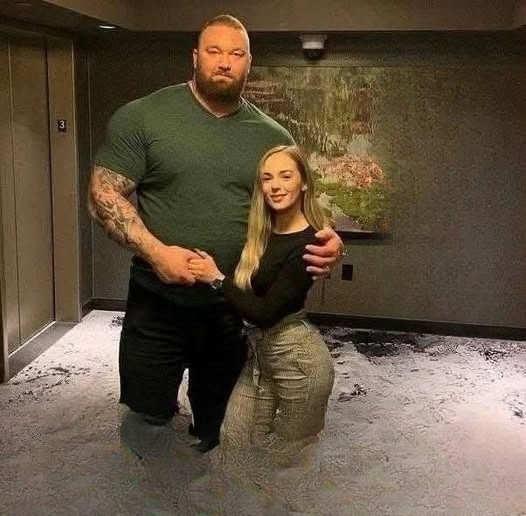
Human attraction has always been one of the most fascinating subjects in psychology. While love is often described as emotional, unpredictable, and deeply personal, scientific research suggests that certain patterns in attraction may be influenced by biology, evolution, and social experience.
One of the most widely studied factors in romantic preference is height. Across many cultures, researchers have observed consistent trends in how height influences initial attraction and long-term partner selection. However, experts emphasize that these patterns are general tendencies—not fixed rules—and individual preferences vary widely.
Evolutionary Psychology and First Impressions
Evolutionary psychology offers one explanation for why height may play a role in attraction. From this perspective, early humans relied heavily on visible traits that could signal health, strength, or fertility.
Height in men has sometimes been associated with physical strength and the ability to provide protection in ancestral environments. In women, physical traits associated with youthfulness have historically been linked in evolutionary terms to reproductive health.
Researchers suggest that these associations may still influence subconscious preferences today, even though modern relationships are shaped far more by emotional compatibility, communication, and shared values than physical survival needs.
What Modern Studies Show About Height Preferences
Large-scale studies in psychology and dating behavior consistently show a general pattern: many women express a preference for partners who are slightly taller than themselves, while men often show a preference for partners who are shorter or similar in height.
However, it is important to understand what this actually means:
- These are statistical averages, not strict rules
- Preferences vary significantly across individuals
- Cultural and social factors strongly influence attraction
- Many relationships do not follow these patterns at all
In fact, researchers emphasize that personality traits, emotional stability, kindness, and shared life goals are far stronger predictors of long-term relationship success than physical characteristics such as height.
The Role of Social and Cultural Influences
Beyond biology, culture plays a major role in shaping what people find attractive.
Media representations, social expectations, and dating norms can all influence how height is perceived in romantic contexts. For example, films and television often portray couples in ways that reinforce traditional height differences, which can subtly shape expectations over time.
However, these norms are gradually changing. Modern dating culture increasingly values equality, individuality, and emotional compatibility over physical stereotypes.
Psychological Effects of Appearance-Based Preferences
Like many physical traits, height can sometimes influence self-perception in dating contexts. Some individuals may feel pressure to meet perceived expectations, while others may become more aware of how they are perceived socially.
Psychologists caution, however, against overemphasizing these concerns. While initial attraction can be influenced by physical appearance, long-term relationships are overwhelmingly shaped by emotional connection, trust, communication, and shared values.
In many cases, people find that their real-life experiences in relationships differ significantly from what they expected based on general trends.
Attraction Is Complex and Multi-Layered
Modern research highlights that attraction is not controlled by a single factor. Instead, it is the result of multiple interacting elements, including:
- Personality compatibility
- Emotional intelligence
- Shared interests and lifestyle
- Cultural background
- Physical attraction
- Life goals and values
Height may contribute to first impressions, but it rarely determines relationship satisfaction or longevity on its own.
Moving Beyond Stereotypes
One of the most important conclusions in modern relationship science is that human attraction cannot be reduced to simple formulas. While evolutionary theories provide interesting insights into possible origins of preference patterns, they do not define individual behavior.
People regularly form strong, lasting relationships that do not follow typical height expectations or other physical trends. These examples highlight the flexibility of human attraction and the importance of emotional connection over physical characteristics.
Conclusion: Understanding Attraction More Clearly
Research into attraction and height preferences offers useful insight into how human psychology may have evolved. However, it is equally important to recognize the limits of these theories.
Modern relationships are shaped far more by communication, emotional compatibility, respect, and shared experiences than by any single physical trait.
Height may influence first impressions for some people, but it is not a determining factor in meaningful connection. Ultimately, attraction is a complex mix of biology, psychology, and personal experience—and it remains far more individual than any general trend can fully explain.
How Science Studies Attraction Without Oversimplifying It
While evolutionary psychology provides one framework for understanding attraction, modern researchers stress that human relationships are far too complex to be explained by a single factor such as height. In reality, attraction is studied through a combination of biology, neuroscience, social psychology, and cultural anthropology.
For example, brain imaging studies show that early romantic attraction activates regions associated with reward and motivation, similar to other pleasurable experiences. This suggests that attraction is not purely logical or socially constructed—it has a measurable neurological basis. However, what triggers that response varies widely between individuals.
Some people may respond more strongly to visual cues, while others prioritize voice, humor, emotional warmth, or shared values. This variation is one reason why no universal “formula” for attraction exists.
The Difference Between Initial Attraction and Long-Term Compatibility
One of the most important distinctions in relationship science is the difference between initial attraction and long-term compatibility.
Initial attraction is often fast, automatic, and influenced by surface-level traits such as appearance, posture, voice, or first impressions. These signals are processed quickly by the brain as part of social evaluation.
However, long-term relationship success depends on much deeper factors, including:
- Emotional stability and communication style
- Conflict resolution skills
- Shared goals and values
- Trust and mutual respect
- Lifestyle compatibility
Studies consistently show that while physical traits may influence who people approach or notice at first, they are far less important in determining whether a relationship lasts.
Why Preferences Differ So Widely Between Individuals
Although general trends in attraction exist, individual preferences vary dramatically. This is influenced by several factors:
1. Personal Experience
Early relationships, family dynamics, and social environment can shape what someone finds comfortable or appealing.
2. Cultural Background
Different societies place varying levels of importance on physical traits, including height, body type, and appearance norms.
3. Psychological Traits
Personality characteristics such as openness, sensitivity, and attachment style can influence how someone prioritizes physical vs. emotional traits.
4. Exposure and Social Circles
People are often influenced by what they see around them. If someone is exposed to diverse relationship types, their preferences tend to become more flexible.
Because of these influences, attraction is highly individualized and cannot be reduced to simple biological explanations.
The Role of Confidence and Presence
Modern psychological research increasingly highlights the importance of confidence and emotional presence in attraction. In many cases, these traits can outweigh physical characteristics.
Confidence is often interpreted as a signal of emotional stability, social awareness, and self-assurance. These qualities tend to make individuals more engaging and relatable in social situations.
Similarly, emotional presence—the ability to listen, connect, and respond authentically—plays a key role in building deeper attraction over time.
This is one reason why people often report that their strongest relationships were not based on first impressions, but on gradual emotional connection.
Social Media and the Reinforcement of Beauty Standards
In today’s digital environment, attraction is also shaped by constant exposure to curated images and lifestyle content. Social media platforms often amplify certain physical ideals, which can unintentionally influence how people think about dating preferences.
However, psychologists warn that online environments do not accurately reflect real-world relationships. Filters, selective posting, and edited content can create unrealistic expectations about appearance and compatibility.
As awareness of this grows, many users are beginning to shift focus away from appearance-based comparison and toward more authentic forms of connection.
The Flexibility of Human Attraction
One of the most fascinating findings in modern psychology is that attraction is not fixed. It can change over time based on emotional experiences, maturity, and relationship history.
For example, traits that someone once overlooked may become more important later in life. Similarly, preferences that once seemed essential may become less relevant as individuals gain experience in relationships.
This flexibility suggests that attraction is shaped as much by life experience as by biology.
Why No Single Trait Determines Relationship Success
Despite popular beliefs, no single physical or personality trait guarantees relationship success. Research consistently shows that successful long-term relationships are built on a combination of:
- Emotional safety
- Mutual respect
- Shared effort
- Communication quality
- Trust over time
Physical attraction may help initiate interest, but it is the ongoing emotional connection that sustains a relationship.
This is why relationships between very different individuals—whether in height, background, or personality—can still thrive when emotional compatibility is strong.
Rethinking Attraction as a Dynamic Process
Instead of viewing attraction as a fixed biological rulebook, modern science encourages a more dynamic perspective. Attraction is better understood as an evolving process influenced by:
- Biology
- Environment
- Experience
- Emotion
- Social learning
Each of these elements interacts continuously, shaping how people perceive and form relationships.
From this perspective, attraction is not a simple “preference list,” but a constantly developing psychological experience.