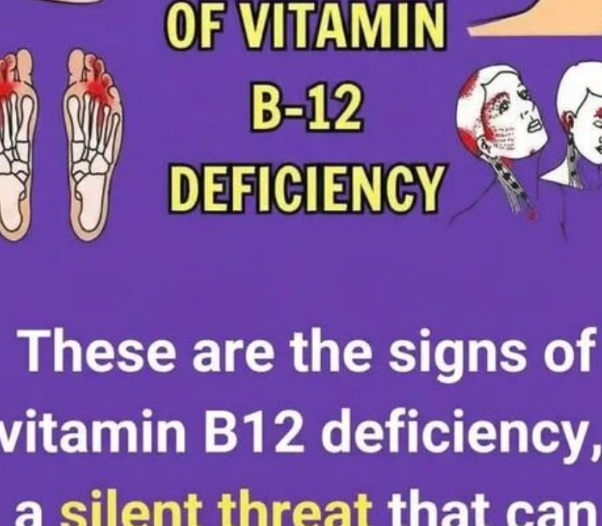
In the complex and finely tuned system that is the human body, few nutrients play as many critical roles as vitamin B12. Also known as cobalamin, this essential vitamin is deeply involved in red blood cell production, neurological function, and DNA synthesis. Despite its importance, vitamin B12 deficiency often develops quietly. Its early symptoms can be subtle, easily mistaken for stress, lack of sleep, or the natural process of aging.
By 2026, healthcare professionals continue to emphasize the importance of recognizing and addressing vitamin B12 deficiency early. With changing dietary patterns, increased reliance on certain medications, and an aging population, more people may be at risk than they realize. Understanding the signs and symptoms is the first step toward prevention and recovery.
Why Vitamin B12 Is So Important
Vitamin B12 is a water-soluble vitamin that the body cannot produce on its own. It must be obtained from dietary sources or supplements. Once absorbed, it plays several essential roles:
-
Supporting the production of healthy red blood cells
-
Assisting in DNA synthesis
-
Maintaining the protective myelin sheath around nerves
-
Supporting cognitive function and mood regulation
-
Helping convert food into usable energy
Without adequate B12, the body’s systems begin to falter. Because many of these processes occur at a microscopic level, symptoms may take months or even years to become noticeable.
Fatigue and Weakness
One of the most common and early symptoms of vitamin B12 deficiency is persistent fatigue. This is not the ordinary tiredness that improves with rest. Instead, it is a deep, lingering exhaustion that may persist despite adequate sleep.
This fatigue is often linked to megaloblastic anemia, a condition in which red blood cells become abnormally large and inefficient. These malformed cells struggle to carry oxygen effectively throughout the body. As a result, tissues and organs — including the brain — may receive less oxygen than they need.
People with B12-related anemia may experience:
-
General weakness
-
Shortness of breath
-
Lightheadedness
-
Reduced stamina
-
Pale or slightly yellow-tinged skin
When oxygen delivery is compromised, even simple activities can feel unusually demanding.
Cognitive Changes and Brain Fog
Vitamin B12 plays a critical role in maintaining neurological health. A deficiency can affect cognitive performance in subtle but meaningful ways.
Common neurological symptoms include:
-
Memory lapses
-
Difficulty concentrating
-
Slowed thinking
-
Confusion
-
Brain fog
In more advanced cases, individuals may experience mood disturbances such as irritability, depression, or anxiety. Some studies suggest that prolonged deficiency may contribute to more serious neurological complications if left untreated.
Because these symptoms overlap with other common conditions — including stress, sleep disorders, and mental health challenges — vitamin B12 deficiency is sometimes overlooked as a potential cause.
Numbness and Tingling
One of the hallmark neurological signs of B12 deficiency is peripheral neuropathy. This occurs when the protective myelin sheath around nerves becomes damaged.
Symptoms may include:
-
Tingling sensations in the hands or feet
-
Numbness
-
A “pins and needles” feeling
-
Balance problems
-
Difficulty walking
These sensations often begin gradually and may worsen over time if not addressed. Early detection is especially important because prolonged nerve damage may not be fully reversible.
Glossitis and Oral Changes
The tongue can sometimes reveal underlying nutritional deficiencies. In vitamin B12 deficiency, glossitis — inflammation of the tongue — may occur.
The tongue may appear:
-
Smooth
-
Swollen
-
Bright red
-
Tender or sore
Some individuals also report changes in taste perception or a burning sensation in the mouth. Cracks at the corners of the mouth may also develop in certain cases.
Mood Disturbances
Vitamin B12 is involved in the production of neurotransmitters that regulate mood. Low levels may be associated with:
-
Depression
-
Irritability
-
Emotional instability
-
Apathy
While B12 deficiency is not the sole cause of mood disorders, correcting a deficiency may significantly improve emotional well-being in affected individuals.
Digestive Symptoms
Although less commonly discussed, vitamin B12 deficiency can also affect the digestive system. Some individuals report:
-
Loss of appetite
-
Weight loss
-
Diarrhea or constipation
-
Nausea
These symptoms may stem from the broader impact of deficiency on rapidly dividing cells in the gastrointestinal tract.
Vision Problems
In rare and severe cases, vitamin B12 deficiency can affect the optic nerve. This condition, sometimes referred to as optic neuropathy, may cause:
-
Blurred vision
-
Reduced visual clarity
-
Light sensitivity
Immediate medical evaluation is necessary if vision changes occur.
Who Is at Risk?
Vitamin B12 deficiency can affect individuals across all age groups, but certain populations face a higher risk.
Older Adults
As people age, stomach acid production often declines. Adequate stomach acid is necessary to separate B12 from food proteins so it can be absorbed. Reduced intrinsic factor production — a protein required for B12 absorption — may also occur with age.
Vegetarians and Vegans
Vitamin B12 is naturally found in animal products such as:
-
Meat
-
Poultry
-
Fish
-
Eggs
-
Dairy products
Individuals who follow plant-based diets without fortified foods or supplementation may develop deficiency over time.
People with Digestive Disorders
Conditions that affect the gastrointestinal tract can impair absorption. These include:
-
Crohn’s disease
-
Celiac disease
-
Atrophic gastritis
-
Surgical removal of parts of the stomach or small intestine
Medication Use
Certain medications can interfere with B12 absorption, including:
-
Proton pump inhibitors (PPIs)
-
H2 blockers
-
Metformin
Long-term use of these medications may warrant periodic monitoring of B12 levels.
How Is Vitamin B12 Deficiency Diagnosed?
Diagnosis typically involves blood testing. Healthcare providers may evaluate:
-
Serum vitamin B12 levels
-
Methylmalonic acid (MMA)
-
Homocysteine levels
-
Complete blood count (CBC)
Because symptoms can mimic other conditions, laboratory confirmation is essential before starting treatment.
Treatment and Recovery
The good news is that vitamin B12 deficiency is often highly treatable. The treatment approach depends on the severity of the deficiency and its underlying cause.
Options may include:
-
Oral B12 supplements
-
Sublingual (under-the-tongue) formulations
-
Intramuscular injections
In cases caused by malabsorption, injections may be recommended initially. Many individuals notice improvement in energy and mental clarity within weeks of starting treatment, though full neurological recovery may take longer.
Preventing Vitamin B12 Deficiency
Prevention strategies include:
-
Consuming adequate dietary sources of B12
-
Choosing fortified foods if following a plant-based diet
-
Taking supplements when recommended
-
Monitoring levels if at higher risk
-
Supporting overall digestive health
Regular medical check-ups can help identify deficiencies before symptoms become severe.
When to Seek Medical Advice
If you experience persistent fatigue, unexplained neurological symptoms, mood changes, or signs of anemia, consult a healthcare professional. Early intervention can prevent complications and support full recovery.
A Reminder About Nutritional Awareness
Vitamin B12 deficiency highlights an important truth: health depends not only on major lifestyle choices but also on microscopic biochemical processes occurring every second inside the body. Small deficiencies can produce significant consequences over time.
Paying attention to subtle warning signs — lingering exhaustion, numbness, memory lapses — is not overreacting. It is a proactive step toward maintaining long-term well-being.
By staying informed, maintaining balanced nutrition, and seeking appropriate medical guidance, individuals can protect their energy, cognitive clarity, and overall vitality.
In the quiet architecture of human biology, vitamin B12 may work behind the scenes, but its impact is profound. Recognizing its importance ensures that this silent essential nutrient continues supporting the systems that keep life moving forward.