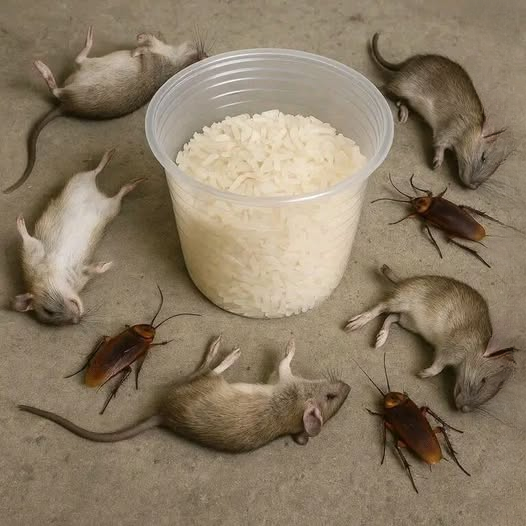
Dealing with pests like rats or cockroaches can be frustrating and stressful. Even in clean homes, they can appear unexpectedly and seem difficult to eliminate completely.
Many people try quick solutions—sprays, traps, or DIY remedies—only to find that the problem returns days or weeks later. That’s because effective pest control isn’t usually about a single product. It’s about changing the environment that allows pests to survive in the first place.
The good news is that a few consistent, practical steps can significantly reduce pest activity over time. This guide explains what actually works, based on basic pest behavior and prevention strategies.
Why Rats and Roaches Enter Homes
Before solving the problem, it helps to understand what attracts pests in the first place.
Most household pests are looking for three things:
- Food
- Water
- Shelter
If your home provides even small amounts of these, it can become a suitable environment for them to stay and reproduce.
The key to control is not just removing pests—but removing what attracts them.
Step 1: Remove Food Sources (The Most Important Step)
Food availability is one of the biggest reasons pests stay in a home.
Even small crumbs or spills can be enough to sustain insects and rodents.
What to do:
- Wipe down kitchen counters daily
- Sweep or vacuum floors regularly
- Store food in sealed, airtight containers
- Avoid leaving pet food out overnight
- Take out trash frequently and keep bins closed
Why it works:
Without reliable food sources, pests are less likely to stay or return. Over time, this alone can reduce activity significantly.
Step 2: Eliminate Water Sources
Water is just as important—sometimes even more important—than food for pests.
Cockroaches, in particular, depend on moisture to survive.
Common hidden water sources:
- Leaky faucets or pipes
- Wet sinks overnight
- Condensation under appliances
- Standing water in trays or containers
What to do:
- Fix leaks as soon as possible
- Dry sinks and countertops before bed
- Avoid leaving dishes soaking overnight
- Check under sinks and appliances regularly
Why it matters:
Reducing moisture makes the environment less suitable for pests, especially in kitchens and bathrooms.
Step 3: Seal Entry Points
If pests can enter your home easily, they will continue to return—even after cleaning.
Where to check:
- Cracks in walls
- Gaps around windows and doors
- Spaces around pipes or wiring
- Vents and drains
How to seal them:
- Use caulk for small cracks
- Install weather stripping on doors
- Use steel wool or mesh for larger openings (especially for rodents)
Why it works:
Blocking entry points prevents new pests from entering and helps contain existing problems.
Step 4: Use Targeted Baits and Traps
Once food and water sources are reduced, targeted pest control methods become more effective.
For cockroaches:
- Commercial bait stations are widely used
- Some DIY methods (like sugar-based mixtures) may attract roaches, but effectiveness can vary
For rodents:
- Snap traps or enclosed bait stations
- Placement is key—along walls or near activity areas
Important tips:
- Place baits where pests are active
- Keep them out of reach of children and pets
- Follow product safety instructions carefully
Step 5: Reduce Clutter and Hiding Spots
Pests prefer dark, undisturbed areas where they can hide.
Common hiding places:
- Behind appliances
- Inside cabinets
- Storage boxes and cluttered areas
- Basements and garages
What to do:
- Declutter regularly
- Keep storage areas organized
- Avoid stacking paper or cardboard unnecessarily
- Clean behind large appliances when possible
Why it matters:
Fewer hiding spots make your home less attractive and reduce breeding areas.
Step 6: Maintain Consistency
One of the biggest mistakes people make is stopping too early.
Even if pest activity decreases, it’s important to continue:
- Cleaning routines
- Monitoring problem areas
- Maintaining sealed entry points
Pest control is most effective when these habits are consistent over time.
How Quickly Can You See Results?
Some improvements—like reduced sightings—may happen quickly after removing food and water sources.
However, complete control usually takes time depending on:
- Severity of the infestation
- Type of pest
- Consistency of prevention steps
It’s best to think of this as a process rather than an instant fix.
When to Consider Professional Help
If the problem persists or becomes severe, professional pest control services may be necessary.
Signs you may need help:
- Frequent sightings despite cleaning
- Signs of nesting or breeding
- Structural damage (for rodents)
- Strong odors or droppings
Professionals can:
- Identify hidden entry points
- Use targeted treatments
- Provide long-term prevention strategies
Common Mistakes to Avoid
1. Relying Only on Sprays
Sprays may provide temporary results but don’t address the root cause.
2. Ignoring Small Signs
Early signs like droppings or minor sightings should not be overlooked.
3. Leaving Food or Water Overnight
Even small amounts can undo progress.
4. Not Sealing Entry Points
Without this step, pests can keep returning.
A Balanced Approach to Pest Control
Effective pest control combines:
- Prevention (cleaning and sealing)
- Maintenance (routine checks)
- Targeted solutions (traps or baits)
No single method works alone—it’s the combination that makes the difference.
Conclusion: Small Changes, Real Results
Getting rid of rats and roaches is rarely about one quick trick. Instead, it’s about making your home less attractive to them over time.
By focusing on:
- Removing food sources
- Eliminating water access
- Sealing entry points
- Keeping spaces clean and organized
you can significantly reduce pest activity and maintain a healthier living environment.
Consistency is key—and even small daily habits can lead to noticeable improvements.