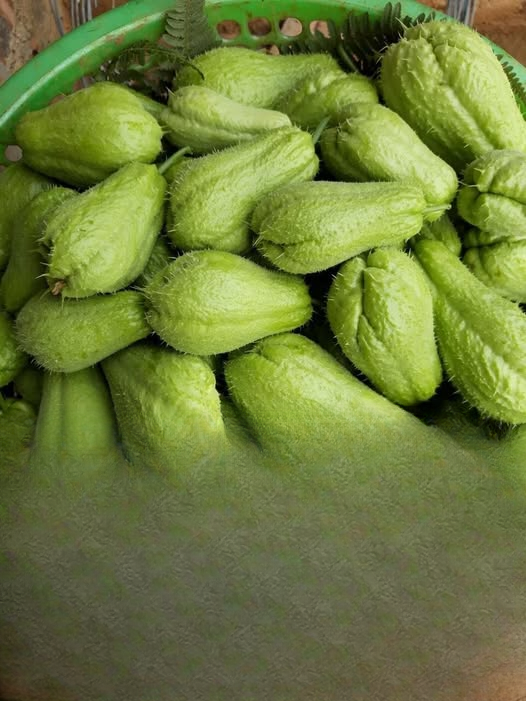
Chayote, a green, pear-shaped vegetable scientifically known as Sechium edule, has become increasingly popular for its nutritional value and flexibility in cooking. Commonly used in soups, salads, and warm dishes, it offers a mild flavor and crisp texture that fits well into many cuisines, particularly in Latin American, Caribbean, and Asian cooking.
While it’s often praised as a healthy food choice, doctors and nutrition experts emphasize an important point: chayote is beneficial, but it is not a cure-all. Like any food, it works best as part of a balanced and varied diet rather than being viewed as a standalone solution for health.
Understanding Chayote
Chayote belongs to the gourd family, making it related to vegetables like cucumbers, squash, and pumpkins. It thrives in warm climates and is valued for its versatility. Its taste is often compared to a mix of zucchini and cucumber, making it easy to incorporate into both raw and cooked dishes.
Because of its high water content and low calorie count, chayote is considered a light and refreshing addition to meals.
Nutritional Value
Despite being low in calories, chayote provides a range of essential nutrients that support overall health. A typical serving includes:
- Vitamin C, which supports immune function and skin health
- Folate (Vitamin B9), important for cell growth and development
- Potassium, which helps regulate blood pressure and supports heart function
- Dietary fiber, beneficial for digestion
- Small amounts of magnesium and manganese
Its combination of water and fiber makes it both hydrating and supportive of digestive balance.
Potential Health Benefits
Digestive Support
Chayote contains dietary fiber, which helps promote regular digestion. Including fiber-rich vegetables in your diet can support gut health, especially when paired with adequate hydration.
Heart Health Support
With its potassium content, chayote may contribute to maintaining healthy blood pressure levels. Diets rich in potassium-containing foods are often associated with better cardiovascular health.
Low-Calorie, Filling Option
Because it is low in calories but high in water, chayote can add volume to meals without significantly increasing calorie intake. This makes it a helpful option for those aiming to manage their weight.
Antioxidant Content
Chayote provides vitamin C and other antioxidants that help protect the body from oxidative stress. These compounds support overall health by helping reduce damage caused by free radicals.
Hydration Benefits
Due to its high water content, chayote can contribute to daily hydration. While it doesn’t replace drinking water, it can complement fluid intake as part of a balanced diet.
What Experts Recommend
Health professionals generally agree on a few key points regarding chayote:
- No single food defines your health: Chayote is nutritious, but it should be part of a diverse diet.
- Variety matters: Eating a wide range of fruits and vegetables ensures a broader intake of nutrients.
- Preparation affects nutrition: Cooking methods like steaming, boiling, or light sautéing help preserve nutrients better than deep frying.
- Be cautious of exaggerated claims: Claims that any one food can dramatically improve health overnight are often misleading.
Ways to Add Chayote to Your Meals
Chayote is easy to prepare and works well in many dishes:
- Add it to soups and stews for extra texture
- Slice it raw into salads for a crisp element
- Include it in stir-fries with other vegetables
- Steam or boil it as a simple side dish
- Blend it into light soups or purees
Its mild flavor allows it to absorb spices and seasonings, making it adaptable to different cooking styles.
Possible Side Effects and Considerations
For most people, chayote is safe to eat regularly. However, a few points are worth noting:
- Digestive sensitivity: Eating large amounts may cause mild discomfort due to its fiber content
- Allergic reactions: Rare, but possible in some individuals
- Medical conditions: Those with specific dietary needs should consult a healthcare professional before making significant changes
As with any food, moderation is key.
A Balanced Approach to Health
Doctors consistently emphasize that overall health depends on more than just individual foods. A healthy lifestyle typically includes:
- A balanced diet rich in various fruits and vegetables
- Regular physical activity
- Adequate sleep
- Stress management
- Proper hydration
Chayote can support these efforts, but it works best as part of a broader, consistent approach to wellness.
Chayote is a simple, affordable, and nutrient-rich vegetable that can be a valuable addition to everyday meals. Its combination of vitamins, minerals, fiber, and water makes it both nourishing and versatile.
However, it’s important to keep expectations realistic. No single food determines your health on its own. Long-term well-being comes from consistent habits and balanced choices.
By including chayote alongside a variety of other whole foods, you can enjoy its benefits while supporting a more complete and sustainable approach to healthy living.
Making Chayote Part of a Sustainable Diet
Building a healthy diet isn’t about short-term changes—it’s about creating habits that are realistic and sustainable over time. One of the advantages of chayote is how easily it fits into everyday meals without requiring major adjustments. Its mild taste and adaptability mean it can complement a wide range of dishes without overpowering other ingredients.
For individuals trying to eat more vegetables, chayote can serve as an easy starting point. It blends well with both familiar recipes and new ones, making the transition toward a more plant-focused diet feel less restrictive. Instead of replacing foods entirely, it can be used to enhance meals by adding volume, texture, and nutritional value.
For example, adding chayote to dishes like soups or stir-fries can increase the overall fiber content without significantly altering flavor. This makes meals more filling while still keeping them balanced.
Comparing Chayote to Other Vegetables
While chayote has many benefits, it’s helpful to understand how it compares to other commonly consumed vegetables. Unlike darker leafy greens such as spinach or kale, chayote is lighter in certain nutrients like iron. However, it still contributes important vitamins and hydration.
Compared to starchy vegetables like potatoes, chayote is much lower in calories and carbohydrates. This makes it a suitable option for people who are monitoring their calorie intake or looking for lighter meal alternatives.
At the same time, it shouldn’t replace more nutrient-dense vegetables entirely. Instead, it works best as part of a varied mix that includes leafy greens, root vegetables, and other produce. Each type of vegetable offers different benefits, and diversity helps ensure a more complete nutrient intake.
Chayote in Different Dietary Patterns
Chayote can be incorporated into a wide range of dietary approaches, making it a flexible ingredient for different needs and preferences.
- Plant-based diets: It provides fiber and hydration, complementing legumes, grains, and other vegetables.
- Low-calorie diets: Its low energy density makes it useful for increasing meal size without adding excess calories.
- Heart-conscious diets: Its potassium content aligns with recommendations for supporting cardiovascular health.
- Digestive-friendly diets: When cooked, it is generally gentle on the stomach and easy to digest.
Because it is naturally simple and minimally processed, chayote fits well into whole-food-based eating patterns.
Storage and Freshness Tips
To get the most out of chayote, proper storage is important. Fresh chayote should feel firm and have smooth, unwrinkled skin. When selecting it at the store or market, avoid pieces that appear overly soft or have visible blemishes.
At home, chayote can be stored in the refrigerator, typically lasting for several days to a couple of weeks depending on freshness at the time of purchase. Keeping it in a cool, dry place helps preserve its texture and nutritional quality.
Once cut, it’s best to store unused portions in an airtight container and consume them within a few days. Like many vegetables, exposure to air can gradually reduce freshness.
Preparation Tips for Best Results
Preparing chayote is relatively simple, but a few techniques can help improve both taste and texture.
Peeling is optional—some people prefer to remove the skin, while others leave it on for added fiber. When cutting chayote, you may notice a slight sap-like residue; rinsing it under water can help reduce this.
Cooking methods such as steaming or sautéing help maintain its crisp texture, while longer cooking times will soften it further. The level of cooking can be adjusted depending on personal preference.
Seasoning also plays an important role. Because chayote has a mild flavor, it pairs well with garlic, herbs, citrus, and spices. This allows it to adapt to different cuisines and flavor profiles easily.
Addressing Common Questions
As chayote becomes more popular, people often have questions about how it fits into their diet.
Is it suitable for daily consumption?
Yes, chayote can be eaten regularly as part of a balanced diet. However, like any food, it’s best consumed alongside a variety of other nutrient sources.
Can it replace other vegetables?
It can complement other vegetables, but it shouldn’t fully replace them. Different vegetables provide different nutrients.
Is it better raw or cooked?
Both options are valid. Raw chayote offers a crisp texture, while cooking can make it easier to digest and enhance flavor.
The Importance of Moderation
Even with healthy foods, moderation remains important. Eating large quantities of any single food can limit dietary variety and may lead to imbalances over time.
With chayote, excessive consumption may lead to mild digestive discomfort for some individuals due to its fiber content. This is not unique to chayote—it applies to many fiber-rich foods.
Balancing portion sizes and combining chayote with other ingredients helps create more complete and satisfying meals.
Cultural and Culinary Significance
Chayote has long been a staple in various cuisines around the world. In many cultures, it is valued not just for its nutrition, but for its versatility and affordability.
In Latin American cooking, it is often included in stews and traditional dishes. In Asian cuisine, it may appear in stir-fries or soups. These culinary traditions highlight how adaptable the vegetable is across different cooking styles.
Exploring these cultural uses can also make meals more interesting and diverse, encouraging a broader appreciation for whole foods.
Long-Term Health Perspective
Health is built over time through consistent habits rather than quick changes. Including vegetables like chayote in your meals contributes to a pattern of eating that supports long-term well-being.
Rather than focusing on individual “superfoods,” experts recommend looking at overall dietary patterns. A diet that includes a variety of vegetables, fruits, whole grains, and lean proteins is far more effective than relying on any single ingredient.
Chayote fits naturally into this approach—it’s simple, nutritious, and easy to include without making drastic changes.
Final Reflection
Continuing from where we began, chayote remains a valuable addition to a balanced diet—not because it offers extreme or immediate results, but because it supports everyday nutrition in a steady, reliable way.
Its benefits come from consistency, not intensity.
By incorporating it alongside other whole foods, you can create meals that are not only nourishing but also enjoyable and sustainable. Over time, these small, consistent choices are what truly make a difference in overall health.
In the end, chayote isn’t about transformation—it’s about support. And when combined with a balanced lifestyle, that support can play a meaningful role in maintaining long-term wellness.