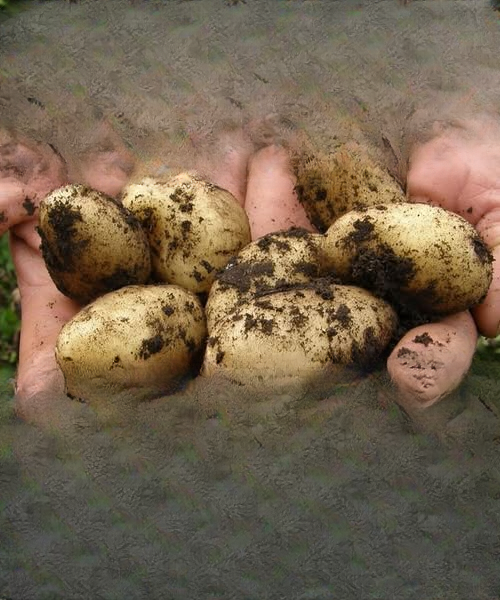
Potatoes are one of the most commonly eaten foods around the world. They are affordable, easy to prepare, and appear in countless traditional dishes across Europe, Latin America, and beyond. Despite their popularity, potatoes are often misunderstood in nutrition discussions, with some people labeling them as “unhealthy” or something to avoid.
However, medical and nutritional experts emphasize a more balanced view: potatoes are not inherently bad. What matters most is how they are prepared, how often they are eaten, and what they are combined with in a meal.
The Nutritional Value of Potatoes
From a nutritional standpoint, potatoes provide a significant source of energy due to their carbohydrate content. These carbohydrates are the body’s primary fuel source, supporting daily physical activity and brain function.
In addition to energy, potatoes contain several important nutrients, including potassium, vitamin C, and small amounts of B vitamins. Potassium in particular plays a role in maintaining normal blood pressure and supporting muscle and nerve function.
When prepared in simple ways, potatoes can be a satisfying and nutrient-rich part of a balanced diet.
Why Potatoes Are Often Misunderstood
One of the main reasons potatoes have gained a negative reputation is not the food itself, but how it is commonly prepared.
Fried potatoes, for example, are often cooked in large amounts of oil and paired with salt, sauces, or processed ingredients. These additions significantly increase calorie and fat content, which can contribute to weight gain if consumed frequently.
Similarly, mashed potatoes made with heavy cream, butter, or cheese can become calorie-dense meals rather than simple vegetable-based sides.
Because of these preparation methods, potatoes are sometimes grouped with less healthy foods, even though the base ingredient itself is not the issue.
How Potatoes Affect the Body
When eaten in reasonable portions and prepared in a balanced way, potatoes are generally well tolerated by most people.
They provide a steady source of energy and can help increase feelings of fullness after meals. This can be beneficial in managing appetite and reducing unnecessary snacking.
However, portion size matters. Eating large quantities of potatoes—especially without balancing them with other food groups—can lead to an unbalanced meal that is high in carbohydrates but low in protein, fiber, and healthy fats.
Possible Concerns and Mistakes
Health professionals point out that problems usually arise from eating patterns rather than potatoes themselves.
Some common issues include:
- Consuming fried or heavily processed potato products too often
- Pairing potatoes with high-fat or high-sodium foods
- Using potatoes as the main component of a meal without vegetables or protein
- Eating very large portions regularly
In some individuals, especially when eaten in heavy preparations, potatoes may contribute to a feeling of sluggishness or fullness due to their starch content.
Still, for most people, these effects are more related to preparation style than the food itself.
Healthier Ways to Eat Potatoes
Nutrition experts generally recommend simpler cooking methods to keep potatoes part of a healthy diet. These include:
- Boiling
- Steaming
- Baking
- Roasting with minimal oil
These methods help preserve the natural qualities of the potato without adding excessive fats or calories.
Pairing potatoes with vegetables, lean proteins, and healthy fats also helps create more balanced meals. For example, combining baked potatoes with grilled chicken and a salad results in a more complete nutritional profile than potatoes alone.
Balance Is the Key
Doctors emphasize that no single food determines whether a diet is healthy or not. Potatoes can fit into both healthy and less healthy eating patterns depending on context.
A balanced diet includes variety, portion control, and moderation. When potatoes are included alongside other nutrient-rich foods, they can contribute positively to overall nutrition.
Potatoes are a versatile, accessible, and nutritious food when consumed in a balanced way. They provide energy, important nutrients, and satiety, making them a useful part of many diets around the world.
The key takeaway from nutrition experts is simple: it’s not about avoiding potatoes, but about how you prepare them and how you fit them into your overall eating habits. With mindful choices, potatoes can remain a healthy and enjoyable part of everyday meals.
What Doctors Want People to Understand About Potatoes and Modern Diet Myths
In recent years, potatoes have become one of the most debated foods in nutrition conversations. Some diets label them as “bad carbs,” while others include them as a staple. Medical professionals, however, continue to emphasize a more scientific and less emotional perspective: potatoes are not inherently harmful, but their impact on health depends heavily on context.
One of the biggest misunderstandings comes from the idea that carbohydrates should be universally restricted. Potatoes, being a carbohydrate-rich food, often get grouped into the same category as refined sugars or ultra-processed snacks. But doctors highlight a key distinction: whole-food carbohydrates behave very differently in the body compared to refined ones.
Potatoes are a natural, minimally processed food. When eaten in their simple form—boiled, baked, or steamed—they provide not only energy but also fiber, water content, and micronutrients that support bodily functions. The issue arises when they are heavily processed or combined with unhealthy ingredients, which changes their nutritional profile entirely.
The Glycemic Index Debate
Another common concern surrounding potatoes is their glycemic index (GI), which measures how quickly a food raises blood sugar levels. Potatoes can have a relatively high GI, especially when cooked in certain ways, such as baking or mashing.
However, doctors caution against focusing on GI alone. The glycemic index does not reflect the full nutritional picture. It does not account for portion size, what the food is eaten with, or individual metabolic differences.
For example, eating potatoes alongside fiber-rich vegetables and protein can significantly slow glucose absorption, reducing blood sugar spikes. This is why nutrition experts stress the importance of meal composition rather than isolating single foods.
Additionally, cooling cooked potatoes before eating them (for example in salads) can increase resistant starch, a type of carbohydrate that behaves more like dietary fiber and may support gut health.
Potatoes and Weight Management
There is a widespread belief that potatoes contribute to weight gain. Doctors explain that this is an oversimplification.
Weight gain occurs when there is a consistent calorie surplus over time—not from a single food. Potatoes themselves are relatively low in calories when prepared without added fats. A plain boiled potato is significantly different from fries or chips, which absorb large amounts of oil during cooking.
Interestingly, some studies have shown that potatoes can actually promote satiety, meaning they help people feel full for longer periods. This can potentially reduce overall calorie intake when included as part of a balanced meal.
The problem arises when potatoes are transformed into ultra-palatable foods—crispy fries, chips, or loaded baked potatoes with heavy toppings. In these forms, they become easy to overconsume, which can indirectly contribute to weight gain.
Digestive Health and Potatoes
From a digestive standpoint, potatoes can be gentle on the stomach when prepared simply. Their soft texture and starch content make them easy to digest for many people, especially when boiled or mashed without heavy additives.
They also contain small amounts of dietary fiber, particularly when the skin is consumed. This fiber supports bowel regularity and contributes to gut health.
However, very large portions or greasy preparations may slow digestion or cause discomfort in some individuals. Doctors often recommend paying attention to how the body responds rather than eliminating potatoes entirely based on general claims.
The Role of Potatoes in Traditional Diets
One reason potatoes remain widely respected in nutrition science is their role in traditional diets across the world. In many cultures, they are a staple food that has supported populations for centuries.
In rural and historical diets, potatoes were often consumed with legumes, grains, vegetables, and small amounts of animal protein. This combination created naturally balanced meals without modern nutritional planning.
Doctors point out that these traditional eating patterns demonstrate an important principle: potatoes are not problematic when they are part of a diverse and minimally processed diet.
Modern Processing and the Real Issue
A major concern in today’s food environment is not the potato itself, but how it is industrially processed.
Frozen fries, potato chips, and fast-food products often contain added preservatives, excess sodium, and unhealthy fats. These products are designed for taste and shelf life, not nutritional balance.
This is where many health issues linked to “potatoes” actually originate. When people think they are reacting to potatoes, they are often reacting to highly processed food products made from them.
Doctors emphasize that distinguishing between whole potatoes and processed potato-based foods is essential for making informed dietary choices.
Individual Differences Matter
Another important point from medical professionals is that nutrition is not one-size-fits-all.
People with conditions such as diabetes or insulin resistance may need to monitor their carbohydrate intake more carefully, including portions of potatoes. However, even in these cases, potatoes are not automatically excluded. Instead, they are managed within a structured meal plan.
Cooking method, portion size, and food combinations all influence how potatoes affect blood sugar and overall health.
For most healthy individuals, moderate consumption of potatoes poses no risk when included in a balanced diet.
Practical Guidance from Nutrition Experts
Doctors and dietitians often provide simple, realistic advice rather than strict restrictions:
- Prefer boiling, baking, or steaming over frying
- Keep portions moderate and balanced with other foods
- Combine potatoes with protein and vegetables for better nutrient balance
- Avoid relying on heavily processed potato products as daily staples
- Pay attention to how your body responds individually
These guidelines focus on sustainability rather than elimination, making it easier for people to maintain healthy eating habits long-term.
Final Reflection: A Food That Is Neither Good Nor Bad
Ultimately, potatoes are not a “superfood” nor a “harmful food.” They are a neutral ingredient that becomes beneficial or less healthy depending on how they are used.
Doctors consistently emphasize that the biggest factor in nutrition is overall dietary pattern, not individual foods. A diet built on variety, moderation, and whole foods will always matter more than focusing on one ingredient in isolation.
Potatoes can be part of that pattern—simple, nourishing, and satisfying when treated with balance and awareness.
The real takeaway is not to fear potatoes, but to understand them. When prepared and eaten thoughtfully, they remain one of the most accessible and adaptable foods in the world, fitting comfortably into both traditional and modern healthy diets.