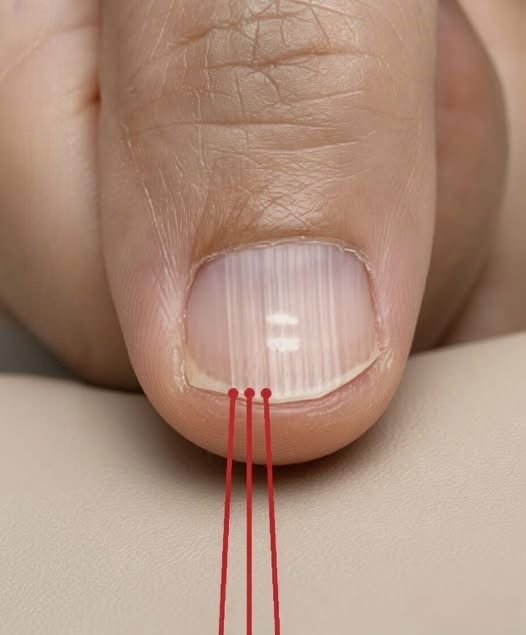
At first glance, small lines or ridges on your nails may seem like nothing more than a cosmetic detail. Many people notice them at some point and simply ignore them, assuming they are harmless. In most cases, that assumption is correct—nail ridges are often a normal part of aging or the result of minor, everyday factors.
However, nails can also provide subtle clues about what is happening inside the body. Because they grow gradually over time, they can reflect changes in health, nutrition, and even stress levels. While not every visible change is a cause for concern, certain patterns—especially those that appear suddenly or worsen over time—may deserve closer attention.
Understanding the different types of nail lines, what causes them, and when to seek professional advice can help you take better care of both your nails and your overall well-being.
Why Nail Health Matters More Than You Think
Nails are made primarily of keratin, a strong protein that also forms your hair and the outer layer of your skin. They grow from a region beneath the cuticle known as the nail matrix. As new cells are produced, older cells are pushed forward, forming the visible nail plate.
Because this process happens slowly, nails act almost like a record of your body’s recent history. Changes in growth patterns, texture, or color can reflect shifts that occurred weeks—or even months—earlier.
This is why healthcare professionals sometimes consider nail appearance as part of a broader assessment. While nails alone cannot diagnose a condition, they can provide useful hints when evaluated alongside other symptoms.
Common Types of Nail Lines and What They Mean
Not all nail lines are the same. The direction, depth, and appearance of these lines can offer important clues about their origin.
Vertical Ridges: The Most Common and Usually Harmless
Vertical ridges run from the base of the nail (near the cuticle) to the tip. These are extremely common and tend to become more noticeable with age.
As the body gets older, the production of nail cells can slow down and become less uniform. This can lead to slight variations in the nail’s surface, creating the appearance of ridges.
In most cases, vertical ridges:
- Are mild and evenly spaced
- Do not cause pain or discomfort
- Appear gradually over time
These ridges are generally considered a normal part of aging and do not require treatment.
However, if vertical ridges suddenly become more pronounced or are accompanied by other changes—such as splitting, discoloration, or increased fragility—it may be worth looking into possible underlying causes.
Horizontal Lines (Beau’s Lines): A Sign of Disruption
Horizontal indentations across the nail are less common and are often referred to as Beau’s lines. Unlike vertical ridges, these lines run from one side of the nail to the other.
Beau’s lines typically form when nail growth is temporarily interrupted. This can happen when the body experiences significant stress or shifts its energy toward more critical functions.
Possible triggers include:
- Illness or infection
- High fever
- Physical trauma
- Severe emotional stress
- Major life events
When this happens, nail production slows down or pauses briefly. Once normal growth resumes, the interruption leaves a visible line that gradually moves outward as the nail grows.
In many cases, Beau’s lines are not dangerous on their own. They simply serve as a marker of a past event. However, repeated or multiple lines across several nails may indicate recurring stress or ongoing health issues.
Nutritional Factors and Nail Changes
Your diet plays an important role in nail health. Because nails are made of protein and rely on a steady supply of nutrients, deficiencies can affect their strength and appearance.
Certain nutrient imbalances may contribute to:
- Weak or brittle nails
- Increased ridging
- Slow growth
- Changes in thickness
Common nutrients linked to nail health include:
Iron
Low iron levels can affect oxygen delivery throughout the body, which may impact nail growth and strength.
Zinc
Zinc supports cell growth and repair. A deficiency may lead to visible changes in nail texture.
Protein
Since nails are primarily made of keratin (a protein), insufficient protein intake can weaken their structure.
Vitamins
Vitamins such as B-complex vitamins play a role in maintaining healthy skin, hair, and nails.
While mild deficiencies may only cause subtle changes, more significant imbalances can lead to noticeable alterations in nail appearance.
Skin Conditions and External Influences
Not all nail changes come from internal factors. External conditions and environmental exposure can also affect how nails look and feel.
Skin Conditions
Conditions that affect the skin around the nails may also influence nail growth. For example:
- Dry skin can lead to brittle nails
- Inflammation may disrupt normal development
- Irritation around the cuticle can affect the nail matrix
Physical Damage
Everyday activities can expose nails to minor trauma. Even small impacts or repeated pressure can alter nail growth over time.
Examples include:
- Hitting or injuring a finger
- Repetitive movements
- Nail biting
Chemical Exposure
Frequent contact with harsh chemicals can weaken the nail structure.
Common sources include:
- Cleaning products
- Nail polish removers
- Artificial nail applications
Over time, these exposures may lead to ridges, dryness, or discoloration.
Moisture and Hydration
Both excessive moisture and dryness can affect nail health.
- Too much moisture can soften nails, making them more prone to damage
- Too little moisture can lead to brittleness and cracking
Maintaining a balance is key to keeping nails strong.
When Should You Be Concerned?
Most nail ridges are harmless, especially when they develop gradually. However, certain signs may indicate that it’s time to seek professional advice.
Consider consulting a healthcare provider if you notice:
- Sudden or dramatic changes in nail appearance
- Deep or multiple horizontal lines
- Changes in nail color (such as darkening or unusual discoloration)
- Thickening or thinning of the nail
- Pain, swelling, or discomfort around the nail
These changes do not necessarily mean there is a serious issue, but they may warrant further evaluation to rule out underlying conditions.
How to Support Healthy Nail Growth
Taking care of your nails doesn’t have to be complicated. Small, consistent habits can make a big difference over time.
1. Maintain a Balanced Diet
Eating a variety of nutrient-rich foods helps support overall health, including nail growth.
Focus on:
- Lean proteins
- Fruits and vegetables
- Whole grains
- Healthy fats
2. Stay Hydrated
Proper hydration supports the health of your skin and nails. Drinking enough water can help prevent dryness and brittleness.
3. Protect Your Nails
Simple protective measures can reduce damage:
- Wear gloves when cleaning
- Avoid excessive use of harsh chemicals
- Be gentle when handling your nails
4. Limit Overuse of Cosmetic Treatments
While manicures and artificial nails can enhance appearance, frequent use may weaken the nail over time.
Giving your nails occasional breaks can help maintain their natural strength.
5. Practice Good Nail Hygiene
Keeping nails clean and trimmed reduces the risk of damage and infection.
The Bigger Picture: Looking Beyond the Surface
Nail changes are just one small piece of the overall health puzzle. While they can provide useful insights, they should always be considered alongside other signs and symptoms.
It’s easy to become concerned when you notice something unusual, especially with the amount of information available online. However, not every change has a serious explanation.
The key is to observe patterns:
- Is the change gradual or sudden?
- Is it affecting one nail or several?
- Are there other symptoms present?
By paying attention to these details, you can better understand whether the change is likely harmless or worth investigating.
Final Thoughts
Lines on your nails are a common and often harmless occurrence. In many cases, they are simply a natural part of aging or the result of minor external factors.
At the same time, nails can reflect subtle changes in your body. Persistent or unusual patterns—especially those that appear suddenly—may signal that something deserves closer attention.
Rather than jumping to conclusions, it’s best to take a balanced approach. Monitor any changes, maintain healthy habits, and seek professional guidance if something doesn’t seem right.
By staying informed and attentive, you can use these small signs as an opportunity to support your overall health—without unnecessary worry.